You stub your toe on the coffee table, and within milliseconds, you’re hopping around cursing. But here’s something wild: your toe doesn’t actually hurt. The pain you feel exists entirely in your brain. That throbbing sensation is your nervous system’s interpretation of signals, not a property of the injury itself. Understanding this process changes everything about how we approach pain management and treatment.
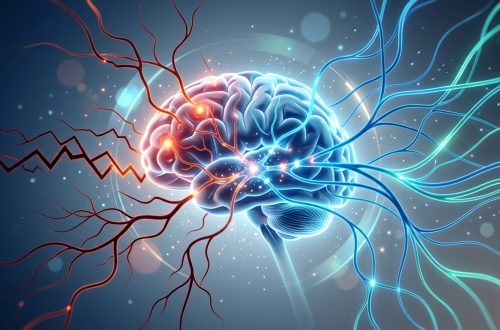
Pain is created by your brain, not by damaged tissue. Specialized nerve endings detect potential threats and send electrical signals through your spinal cord to your brain, where multiple regions process, interpret, and construct the pain experience. This complex system explains why pain intensity doesn’t always match injury severity and why emotional state, context, and past experiences significantly influence how much something hurts.
Your body’s alarm system starts at the nerve endings
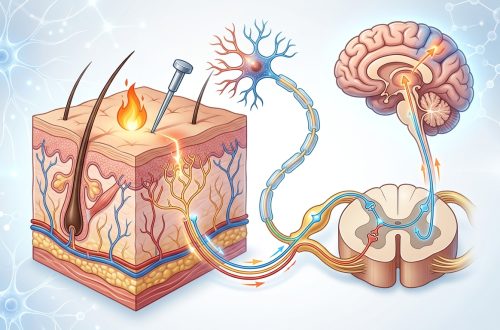
Pain begins with specialized sensors called nociceptors scattered throughout your body. These nerve endings respond to three types of threats: mechanical damage (cuts, pressure), temperature extremes (burns, frostbite), and chemical changes (inflammation, toxins).
When tissue gets damaged, your cells release chemical messengers like bradykinin, prostaglandins, and substance P. These chemicals activate nociceptors, which convert the physical threat into electrical signals.
Different nociceptors have different jobs:
- A-delta fibers transmit fast, sharp pain that makes you pull your hand away from a hot stove
- C fibers carry slower, dull, aching sensations that linger after the initial injury
- Silent nociceptors only activate during inflammation, explaining why injuries sometimes hurt more the next day
The intensity of the signal depends on how many nociceptors fire and how frequently they send messages. A paper cut activates fewer nociceptors than a deep laceration, which is why one hurts less than the other.
Signals travel through your spinal cord’s gatekeeper
Once nociceptors generate electrical signals, they travel along nerve fibers toward your spinal cord. This journey happens at different speeds depending on which type of fiber carries the message.
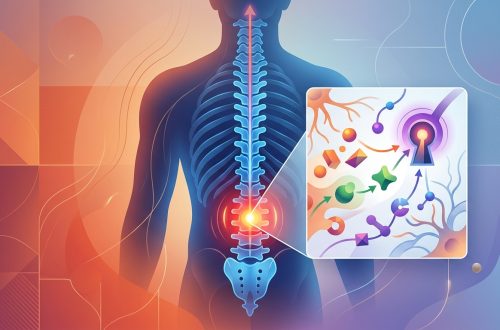
Your spinal cord acts as both a relay station and a filter. Nerve signals enter through the dorsal horn, where they encounter the first decision point: should this signal continue to the brain, or should it be dampened?
This filtering process is called the gate control theory. Your spinal cord can either amplify or reduce pain signals based on competing input. That’s why rubbing a bumped elbow actually helps. The touch signals from rubbing travel faster than pain signals, essentially closing the gate and reducing how much pain information reaches your brain.
The spinal cord also receives instructions from the brain about which signals to prioritize. During emergencies, your brain can tell your spinal cord to suppress pain signals entirely. This explains stories of soldiers continuing to fight despite serious injuries or athletes finishing competitions with broken bones.
Your brain constructs the pain experience from multiple regions
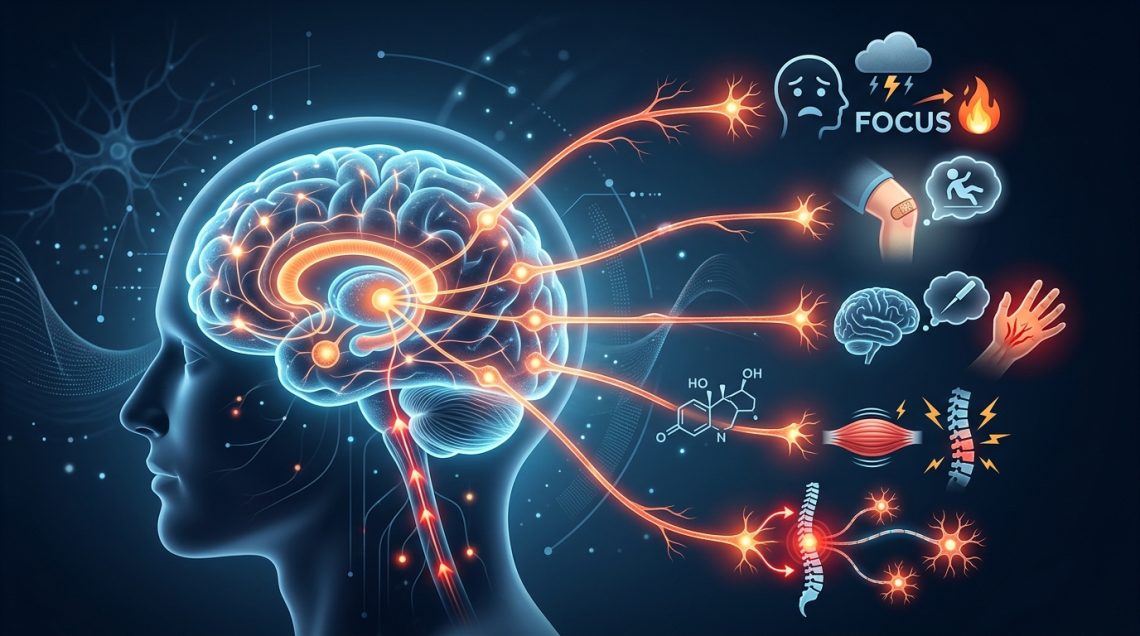
Pain signals that make it past the spinal cord travel to several brain regions simultaneously. There’s no single “pain center” in your brain. Instead, pain emerges from coordinated activity across multiple areas.
The thalamus acts as the brain’s switchboard, routing incoming signals to different processing centers. From there, signals branch out to:
- The somatosensory cortex determines where the pain is located and how intense it feels
- The anterior cingulate cortex adds the emotional suffering component, making pain feel unpleasant
- The prefrontal cortex evaluates the meaning and implications of the pain
- The amygdala triggers fear and anxiety responses
- The hippocampus connects current pain to past experiences and memories
This distributed processing explains why pain is so subjective. Two people with identical injuries can report vastly different pain levels because their brains interpret the signals differently.
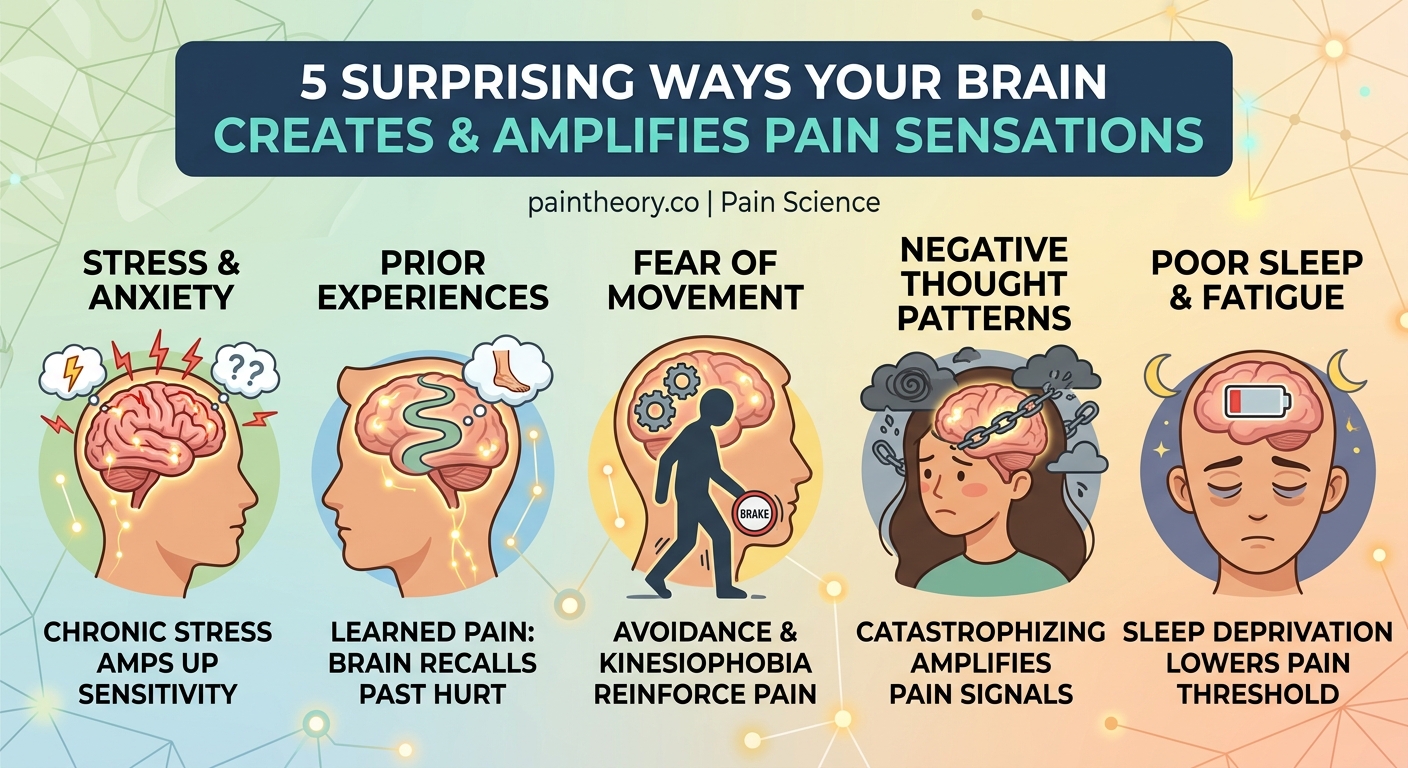
Your emotional state directly influences pain intensity. Anxiety amplifies pain signals in the anterior cingulate cortex. Depression alters neurotransmitter levels that regulate pain processing. Stress hormones sensitize nociceptors, making them fire more easily.
“Pain is a complex experience that involves not just sensation, but also emotion, cognition, and social context. The brain doesn’t passively receive pain signals; it actively constructs the pain experience based on expectations, memories, and the current situation.” — International Association for the Study of Pain
Context and expectation shape what you feel
Your brain constantly makes predictions about the world. When it comes to pain, these predictions powerfully influence your actual experience.
Studies show that if you expect something to hurt badly, it usually does. Conversely, believing a treatment will help often reduces pain, even if the treatment is a placebo. This isn’t weakness or imagination. Your expectations literally change neural activity in pain processing regions.
The meaning you assign to pain also matters. A marathon runner’s burning legs feel different from leg pain that might signal a serious illness. The physical signals might be similar, but the brain interprets them through completely different lenses.
Social context plays a role too. Research shows that pain hurts more when you’re alone versus when someone supportive is present. The presence of others activates brain regions that modulate pain signals.
Past experiences create lasting changes in pain processing. If you’ve had severe pain before, your nervous system may become sensitized, responding more intensely to smaller threats. This helps explain why pain becomes chronic in some people.
The brain can amplify or suppress pain signals
Your brain has built-in pain control systems that work like an internal pharmacy. The periaqueductal gray region can release endorphins and other natural painkillers that bind to opioid receptors throughout your nervous system.
This descending pain modulation system can dramatically reduce pain perception. It’s why people sometimes don’t notice injuries during intense focus or excitement. The brain actively suppresses pain signals that might interfere with important tasks.
Unfortunately, this system can also work in reverse. Chronic stress, poor sleep, and prolonged pain can weaken your brain’s ability to suppress pain signals. Over time, the nervous system may become hypervigilant, treating harmless sensations as threats.
| Brain Mechanism | How It Affects Pain | Example |
|---|---|---|
| Endorphin release | Reduces pain intensity | Runner’s high during exercise |
| Attention focus | Amplifies or reduces awareness | Not noticing minor pain during exciting activity |
| Emotional processing | Changes suffering component | Same injury hurts more when anxious |
| Memory integration | Creates expectations | Previous bad experience makes you more sensitive |
| Contextual evaluation | Assigns meaning | Athlete’s pain versus illness pain |
Neuroplasticity means pain pathways can change
Your brain constantly rewires itself based on experience. This neuroplasticity applies to pain pathways too.
Repeated pain signals strengthen the connections between neurons involved in pain processing. Think of it like wearing a path through grass. The more you walk the same route, the more defined it becomes.
This strengthening process can make your nervous system increasingly sensitive. Eventually, it might take less stimulation to trigger pain, or pain might last longer than the actual tissue damage. Some people develop pain even without ongoing injury because the neural pathways have become so well-established.
The good news: neuroplasticity works both ways. Just as pain pathways can become sensitized, they can also be retrained. Techniques that activate competing neural pathways or teach the brain to interpret signals differently can reduce chronic pain.
Sleep quality directly impacts this remodeling process. Poor sleep interferes with the brain’s ability to regulate pain pathways, which is why pain often gets worse at night and why improving sleep can reduce pain intensity.
Neurotransmitters regulate the entire system
Chemical messengers called neurotransmitters control how pain signals move through your nervous system. Understanding these chemicals explains why certain medications work and why lifestyle factors matter so much.
Key neurotransmitters in pain processing include:
- Glutamate excites neurons and amplifies pain signals
- GABA inhibits neural activity and reduces pain transmission
- Serotonin modulates pain and mood (low levels increase both pain and depression)
- Norepinephrine influences attention to pain and stress responses
- Dopamine affects motivation and the reward aspects of pain relief
- Endorphins bind to opioid receptors and create natural pain relief
Your brain’s neurotransmitter balance changes based on diet, exercise, stress levels, and sleep quality. This is why lifestyle modifications can genuinely reduce pain, not just help you cope with it.
Chronic pain often involves neurotransmitter imbalances. Many people with persistent pain have lower serotonin or higher glutamate levels. Some medications work by correcting these imbalances rather than blocking pain signals directly.
Inflammation creates a feedback loop with your brain
When tissue gets damaged, your immune system triggers inflammation. This protective response involves releasing chemicals that sensitize nociceptors, making them fire more easily and more often.
Inflammatory chemicals like cytokines don’t just affect local nerve endings. They also travel through your bloodstream to your brain, where they can alter pain processing directly. This is why systemic inflammation from conditions like autoimmune disorders can cause widespread pain sensitivity.
The brain can also trigger inflammation through neural pathways. Stress activates your sympathetic nervous system, which can promote inflammatory responses throughout your body. This creates a vicious cycle where pain causes stress, stress promotes inflammation, and inflammation amplifies pain signals.
Breaking this cycle often requires addressing both the peripheral inflammation and the central nervous system’s response. Anti-inflammatory approaches work best when combined with techniques that calm the nervous system and retrain pain pathways.
Your brain remembers pain
Pain memories get encoded in your nervous system just like other experiences. These memories serve an important protective function, helping you avoid similar injuries in the future.
But pain memories can also become problematic. Your brain might start anticipating pain in situations that only resemble past painful experiences. This anticipatory response can trigger actual pain even when there’s no tissue damage.
Phantom limb pain demonstrates how powerful pain memories can be. People who’ve lost a limb often feel pain in the missing body part because the brain’s representation of that limb, including associated pain patterns, remains active.
Pain memories also explain why returning to activities after injury can be challenging. Your brain associates certain movements or positions with past pain, triggering protective responses that may no longer be necessary.
Retraining these memories requires gradually teaching your brain that previously painful activities are now safe. This process takes time and patience, but it can significantly reduce chronic pain that persists after tissue healing.
When pain processing goes wrong
Sometimes the brain’s pain creation system malfunctions. These disorders reveal just how much pain depends on neural processing rather than tissue damage.
Central sensitization occurs when your nervous system becomes hyperactive, amplifying normal signals into pain. Light touch might feel painful. Normal movement might trigger intense discomfort. The problem isn’t in your tissues but in how your brain processes sensory information.
Conditions like fibromyalgia and some forms of chronic headache involve altered pain processing in the brain. Brain imaging studies show different activation patterns in people with these conditions compared to those without chronic pain.
Understanding that pain originates in the brain doesn’t mean it’s not real or that you can simply think it away. The neural processes creating pain are as physical and measurable as a broken bone. They just happen in different tissue.
Treatment approaches that target brain function, such as cognitive behavioral therapy, mindfulness meditation, and certain medications, can be highly effective precisely because they address where pain actually gets created.
Putting brain science into practice
Knowing how your brain creates pain opens up new approaches to managing it. You can’t always control tissue damage or inflammation, but you can influence how your brain processes pain signals.
Techniques that help include:
- Mindfulness practices that change attention patterns and reduce emotional suffering
- Movement therapies that retrain neural pathways and reduce sensitization
- Sleep optimization that supports healthy neurotransmitter balance
- Stress management that prevents amplification of pain signals
- Gradual exposure that retrains pain memories and reduces fear-avoidance
These approaches work because they target the actual mechanisms your brain uses to create pain. They’re not just distraction or positive thinking. They literally change neural activity in pain processing regions.
For people dealing with persistent discomfort, better sleep strategies can interrupt the cycle of pain amplification. Addressing sleep often provides more relief than expected because it allows pain pathways to reset.
Understanding pain as a brain-created experience also reduces fear and catastrophizing, which themselves amplify pain signals. When you know that severe pain doesn’t always mean severe damage, you can respond more calmly and effectively.
Your brain is both the problem and the solution
Pain feels like it’s happening in your injured knee or aching back, but the experience lives entirely in your brain. This isn’t a philosophical point. It’s a practical reality that changes how we approach pain treatment.
Your nervous system evolved to protect you, but sometimes that protection becomes overzealous. Signals get amplified. Harmless sensations get misinterpreted. Pain persists long after healing completes.
The same neuroplasticity that allows pain pathways to become sensitized also enables them to calm down. Your brain can learn new patterns. Pain processing can be retrained. The system that creates pain also contains the mechanisms to reduce it.
This knowledge empowers you to take an active role in pain management. You’re not just a passive recipient of pain signals. You can influence the very processes that generate your pain experience through how you move, sleep, think, and respond to discomfort.
Your brain created the pain you feel. That same brain has remarkable capacity to change it.