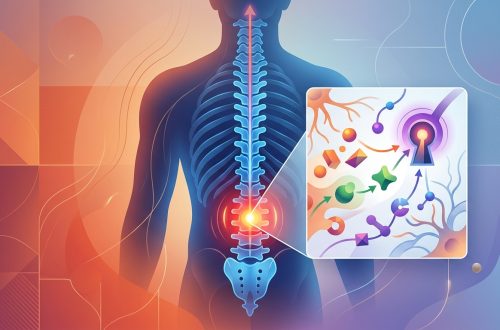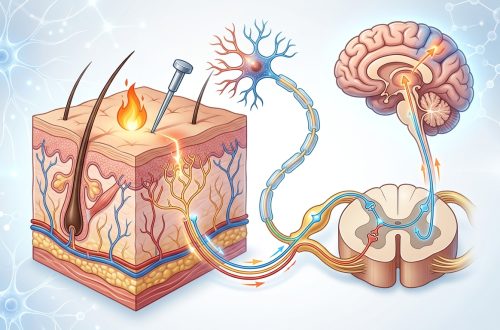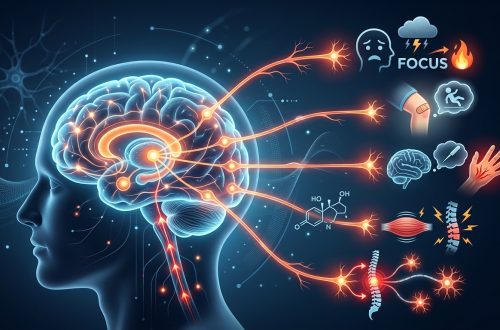
Your brain isn’t hardwired to feel pain the same way forever. The neural pathways that process and amplify pain signals can actually change, reshape, and even quiet down with the right approach. This isn’t wishful thinking or pseudoscience. It’s neuroplasticity, the brain’s remarkable ability to reorganize itself, and researchers have spent decades proving it works for chronic pain.
Your brain can be retrained to process pain differently through neuroplasticity. Techniques like graded motor imagery, mindfulness meditation, and cognitive reframing create new neural pathways that reduce pain intensity. Studies show consistent practice over 8 to 12 weeks produces measurable changes in brain structure and pain perception, offering real relief without pharmaceuticals for many chronic pain conditions.
What neuroplasticity actually means for pain
Neuroplasticity is your brain’s ability to form new connections and pathways throughout your life. When you learn a new skill, recover from an injury, or adapt to change, neuroplasticity is at work.
For chronic pain, this matters because pain isn’t just what happens in your body. It’s also what happens in your brain.
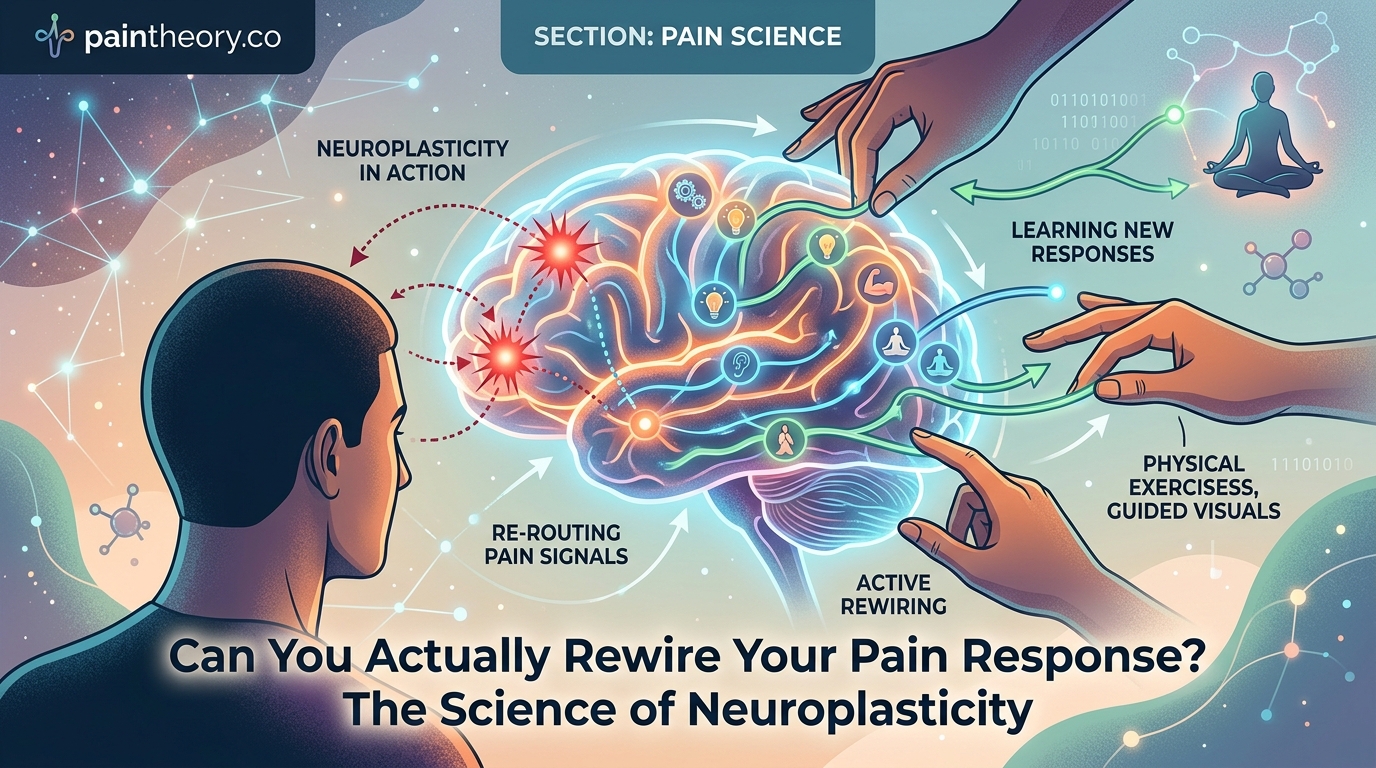
Your nervous system can become oversensitized. Signals that shouldn’t hurt start triggering pain responses. Pathways that carry pain messages get stronger through repeated use, like a hiking trail that becomes more defined the more people walk it.
But here’s the good news: those pathways can also weaken. New, healthier pathways can form. Your brain can learn to interpret signals differently.
Research using brain imaging shows this clearly. People with chronic pain often have increased activity in pain-processing regions like the anterior cingulate cortex and insula. After brain retraining interventions, these areas show reduced activation. The physical structure of the brain changes.
How chronic pain rewires your brain in the wrong direction
Before we talk about positive rewiring, you need to understand what chronic pain does to your nervous system.
When pain persists beyond normal healing time (usually three to six months), your nervous system adapts. Not in helpful ways.
The brain regions that process pain become more sensitive. They respond to smaller triggers. Sometimes they fire without any trigger at all.
This process is called central sensitization. Your central nervous system amplifies pain signals. A light touch might feel like burning. Normal movement might trigger sharp pain.
Your brain also starts predicting pain. If you’ve hurt yourself reaching for something in the past, your brain might generate pain before you even complete the movement next time. It’s trying to protect you, but it’s overreacting.
The emotional centers of your brain get involved too. The amygdala, which processes fear and threat, becomes hyperactive. This creates a feedback loop where pain causes anxiety, which increases pain sensitivity, which causes more anxiety.
Understanding why does pain become chronic helps you see why retraining your brain matters so much.
Evidence that brain retraining actually works
Multiple studies confirm that specific interventions can physically change how your brain processes pain.
A 2011 study in the Journal of Neuroscience tracked people with chronic back pain through an eight-week mindfulness program. Brain scans showed reduced gray matter density in the amygdala and increased connectivity in regions associated with pain regulation. Participants reported 40% less pain intensity.
Another study from Stanford University used graded motor imagery for phantom limb pain. After 12 weeks, fMRI scans showed reorganization of the motor cortex. Pain levels dropped by an average of 50%.
Research on chronic tension headaches found that cognitive behavioral therapy produced changes in the prefrontal cortex. These changes correlated directly with pain reduction. The more the brain changed, the less pain people felt.
These aren’t placebo effects. The brain scans prove physical restructuring is happening.
The step-by-step process to rewire your pain response
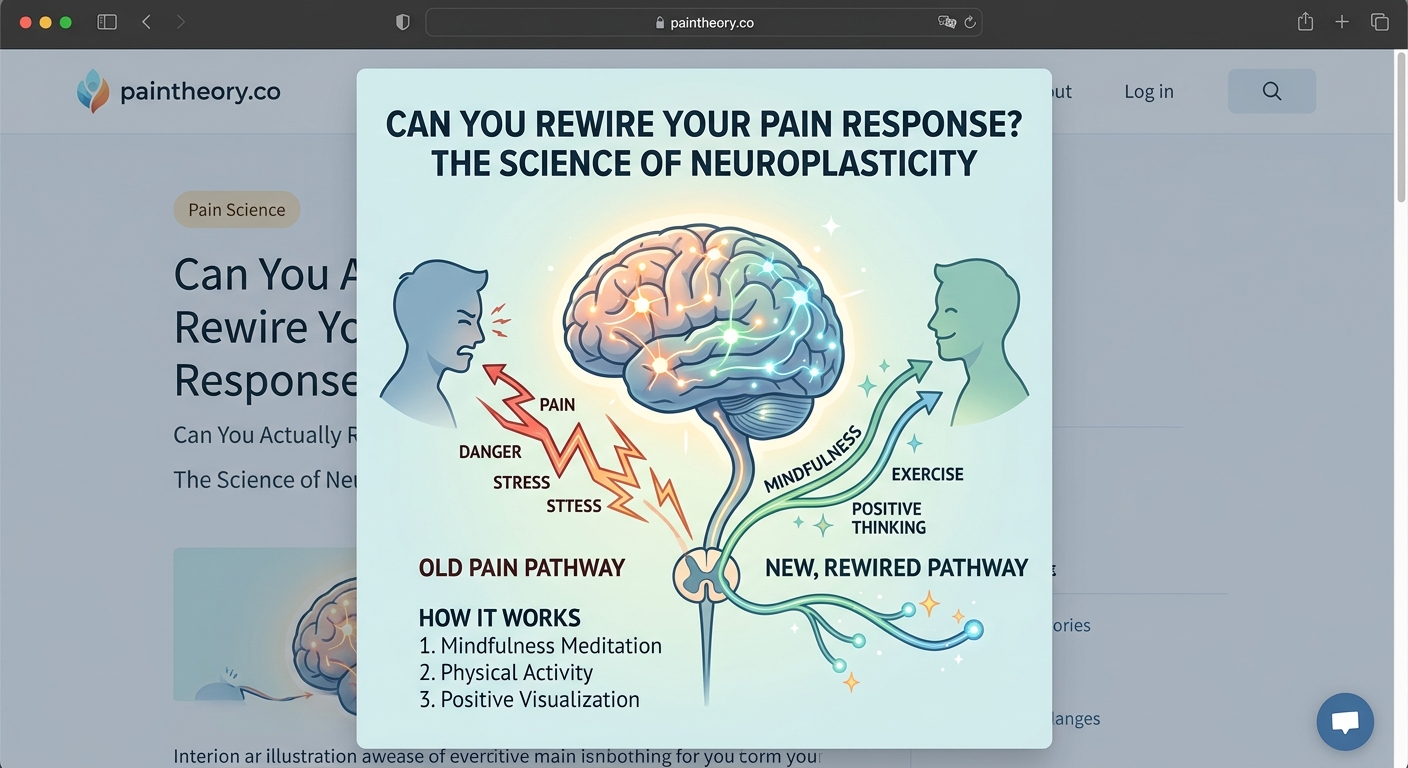
Retraining your brain takes consistent practice. Here’s how to approach it systematically.
-
Start with pain education. Learn how your nervous system creates and amplifies pain. Understanding the science reduces fear, which immediately turns down pain volume for many people. Read about how your brain creates and amplifies pain sensations to build this foundation.
-
Practice graded motor imagery. This three-phase approach helps your brain relearn movement without pain. Begin with left/right discrimination exercises (looking at pictures of body parts and identifying which side they show). Progress to imagined movement, then to mirror therapy where you watch your pain-free side move while your painful side rests. This rewires motor cortex pathways.
-
Build a daily mindfulness practice. Set aside 10 to 20 minutes for body scan meditation or breath-focused awareness. Notice pain sensations without judgment or reaction. This strengthens your prefrontal cortex’s ability to regulate pain signals from the limbic system.
-
Use cognitive reframing techniques. When pain spikes, pause and examine your thoughts. Are you catastrophizing? Predicting the worst? Replace these thoughts with neutral observations. Instead of “This pain will never end,” try “I’m having a pain flare. It will pass like the others have.”
-
Gradually increase safe movement. Fear of movement keeps pain pathways active. Work with a physical therapist to identify movements you’ve been avoiding. Reintroduce them slowly, starting well below your pain threshold. Your brain needs evidence that movement is safe.
-
Track your progress objectively. Keep a simple log of pain levels, activities completed, and mood. Over weeks, you’ll see patterns and improvements that your brain might otherwise dismiss. This reinforces new neural pathways.
“The brain is not a static organ. Every experience, every thought, every sensation creates physical changes in neural structure. When we systematically expose the brain to new information about pain, we create competing pathways that can override old pain patterns.” — Dr. Lorimer Moseley, pain neuroscience researcher
Techniques that create new neural pathways
Different approaches work for different people. Here are evidence-based methods worth trying.
Mindfulness-based stress reduction (MBSR) combines meditation, body awareness, and gentle yoga. Eight-week programs show consistent results in reducing chronic pain intensity and improving quality of life.
Acceptance and commitment therapy (ACT) teaches you to change your relationship with pain rather than fighting it. This psychological flexibility reduces the emotional amplification of pain signals.
Graded exposure therapy systematically desensitizes you to movements or activities you’ve been avoiding. Your brain learns these actions are safe, which reduces protective pain responses.
Pain reprocessing therapy is newer but shows promising results. It teaches your brain to reinterpret pain signals as non-threatening. A 2021 study found that 66% of participants were pain-free or nearly pain-free after four weeks.
Biofeedback training gives you real-time information about physiological processes like muscle tension or heart rate variability. You learn to control these processes, which helps regulate pain.
The table below compares these approaches:
| Technique | Time Commitment | Best For | Evidence Level |
|---|---|---|---|
| MBSR | 8 weeks, daily practice | Widespread chronic pain | Strong |
| ACT | 8-12 sessions + practice | Pain with high emotional impact | Strong |
| Graded exposure | 6-12 weeks | Movement-related pain | Moderate to strong |
| Pain reprocessing therapy | 4-8 weeks | Neuroplastic pain without structural damage | Emerging, promising |
| Biofeedback | 8-20 sessions | Tension-related pain | Moderate |
Common mistakes that prevent brain rewiring
Many people try brain retraining but don’t see results because they make these errors.
Inconsistent practice. Your brain needs repetition to build new pathways. Doing a mindfulness exercise once a week won’t cut it. Daily practice, even for 10 minutes, beats occasional longer sessions.
Expecting immediate results. Neural rewiring takes time. Most studies show meaningful changes after 8 to 12 weeks of consistent practice. If you quit after two weeks because nothing’s changed, you stopped right before the benefits would have appeared.
Practicing only when pain is low. You need to work with your nervous system during pain flares too. That’s when reframing and regulation matter most. Avoiding practice during difficult times reinforces old patterns.
Not addressing the emotional component. Pain, fear, and stress are deeply connected. If you only work on physical techniques while ignoring anxiety or depression, you’re missing a major piece. The emotional brain centers directly influence pain processing.
Going it alone when you need guidance. Some people can successfully retrain their brains with books and apps. Others need a trained therapist or pain specialist to guide the process. There’s no shame in getting professional help. It often speeds up progress significantly.
Mixing brain retraining with constant pain medication increases. While medications have their place, constantly increasing doses to chase complete pain elimination can interfere with brain retraining. Your brain needs to learn new responses, which requires experiencing and working with some discomfort.
What makes some people respond better than others
Not everyone gets the same results from brain retraining. Several factors influence success.
People whose pain is primarily neuroplastic (generated by the nervous system rather than ongoing tissue damage) tend to respond best. If your pain moves around, varies dramatically day to day, or is triggered by stress or emotions, neuroplasticity approaches often work well.
Those with higher baseline anxiety or trauma histories may need more support. Trauma can keep the nervous system in a heightened threat state, which amplifies pain. Addressing trauma alongside pain retraining improves outcomes.
Belief in the process matters. Not blind faith, but genuine understanding of the science. When you truly grasp that pain is a brain output, not just a body input, you’re more likely to persist with techniques long enough to see results.
Social support plays a role too. People who have encouragement from family, friends, or support groups stick with brain retraining longer. Isolation makes everything harder, including neuroplastic change.
The presence of other health conditions affects results. Hormonal fluctuations can amplify chronic pain, which means timing your practice around your cycle might help if you’re a woman dealing with pain.
Combining brain retraining with other approaches
Brain rewiring doesn’t have to be your only tool. It often works better alongside other interventions.
Physical therapy helps restore normal movement patterns while your brain retrains. The combination addresses both the physical and neural components of chronic pain.
A daily stretching routine can support neuroplastic change by giving your brain evidence that movement is safe and beneficial.
Sleep optimization is crucial. Your brain consolidates new learning during sleep. If chronic pain disrupts your sleep, improving sleep quality accelerates the rewiring process.
Some people benefit from temporary use of medications or interventions like nerve blocks to reduce pain enough that they can engage in brain retraining exercises. Think of it as a bridge, not a permanent solution.
Workplace adjustments matter if your job aggravates pain. Managing chronic pain at work reduces daily nervous system stress, which supports neuroplastic healing.
How long does brain rewiring actually take
The timeline varies, but research gives us useful benchmarks.
Most studies on mindfulness and chronic pain show initial changes around the four to six week mark. These early changes are often subtle. You might notice slightly better sleep or reduced anxiety before pain levels drop.
Significant pain reduction typically appears between 8 and 12 weeks of consistent daily practice. This matches the timeframe for measurable structural brain changes on imaging studies.
Some people experience dramatic shifts earlier. Others need six months or more of dedicated practice. This doesn’t mean the approach isn’t working. It means your nervous system needs more time to reorganize.
The good news: once new pathways are established, they tend to stick. People who successfully retrain their brains often maintain improvements long-term, even if they reduce the intensity of their practice.
Think of it like learning a language. The first few months are hard. You practice daily and see slow progress. Then suddenly things click. You’re not fluent yet, but you can communicate. With continued practice, it becomes natural. You don’t have to think about it as much.
Brain rewiring for pain follows a similar arc.
When to consider additional help
Sometimes self-directed brain retraining isn’t enough. Here are signs you might benefit from professional support.
If you’ve practiced consistently for 12 weeks without any improvement, a pain psychologist or specialized physical therapist can identify what’s missing. Maybe your technique needs adjustment. Maybe there’s a trauma component that needs addressing first.
When pain interferes with basic daily activities despite your best efforts, it’s time to consult specialists. Knowing when to see a doctor immediately prevents missing serious underlying conditions.
If you’re considering surgery for chronic pain relief, try intensive brain retraining first. Some people avoid surgery entirely. Others find it works better after they’ve addressed the neural component.
Severe depression or anxiety requires professional mental health treatment. These conditions keep your nervous system in a state that fights against pain reduction. Treating them isn’t giving up on brain retraining. It’s creating the conditions for it to work.
For specific conditions, targeted approaches help. If you’re dealing with something like endometriosis pain, brain retraining works best alongside appropriate medical management of the underlying condition.
Your brain’s capacity for change doesn’t expire
One of the most hopeful findings in pain neuroscience is that neuroplasticity doesn’t have an age limit. Your brain can reorganize at 25, 45, or 75.
People who’ve had chronic pain for decades can still see improvements. Yes, it might take longer if pain pathways are deeply established. But change remains possible.
The key is consistency, patience, and the right techniques for your situation.
Start small. Pick one approach from this article. Practice it daily for a month. Notice what shifts. Build from there.
Your brain created these pain pathways through repeated experience. It can create new ones the same way. Every time you practice a retraining technique, you’re literally reshaping your nervous system. The science proves it. Thousands of people have done it. You can too.