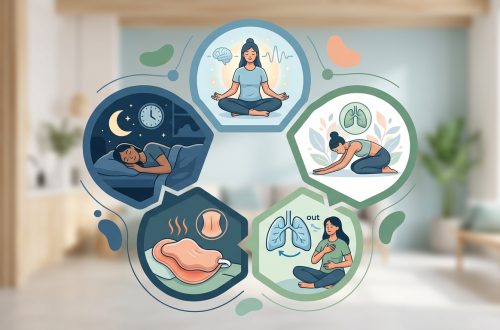
Chronic pain doesn’t clock out at bedtime. It follows you into bed, makes every position uncomfortable, and turns what should be restful hours into a frustrating cycle of tossing, turning, and watching the ceiling. If you’re reading this at 2 a.m. because your back, joints, or nerves won’t let you rest, you’re not alone. Millions of adults with arthritis, fibromyalgia, and other pain conditions face the same nightly battle.
Sleeping with chronic pain requires a multi-layered approach that addresses both pain management and sleep hygiene. By optimizing your sleep environment, timing your medications strategically, using supportive positioning techniques, and establishing consistent routines, you can break the cycle where pain disrupts sleep and poor sleep amplifies pain. Small, consistent changes often produce better results than dramatic overnight shifts.
The relationship between chronic pain and sleep creates a vicious cycle. Pain makes it harder to fall asleep and stay asleep. Poor sleep then lowers your pain threshold, making you more sensitive to discomfort the next day. This cycle can feel impossible to break, but understanding how pain and sleep interact gives you power to intervene.
Why Chronic Pain Destroys Sleep Quality
Pain interferes with sleep in several specific ways. Physical discomfort prevents you from finding a comfortable position. Inflammation peaks at certain times during the night. Stress hormones triggered by pain keep your nervous system on high alert.
Your body needs to reach deep sleep stages to repair tissue and process pain signals properly. When pain constantly pulls you back to lighter sleep stages, you miss out on this restorative process. You might sleep seven hours but wake up feeling like you barely rested at all.
Different pain conditions disrupt sleep through different mechanisms. Arthritis often causes stiffness that worsens with stillness. Fibromyalgia can trigger hypersensitivity to pressure from mattresses and pillows. Nerve pain may intensify when you lie down due to changes in blood flow and position.
The emotional toll matters too. Anxiety about whether you’ll sleep tonight, frustration with your body, and worry about functioning tomorrow all activate your stress response. This makes your muscles tense and your mind race, both enemies of good sleep.
Create a Pain-Friendly Sleep Environment
Your bedroom setup can either fight against your pain or work with it. Start with your mattress. A surface that’s too soft lets your spine sag into misalignment. Too firm creates pressure points that aggravate tender areas.
Medium-firm mattresses work well for most chronic pain conditions, but your specific needs depend on where you hurt. Side sleepers with hip or shoulder pain often need slightly softer surfaces. Back pain sufferers usually do better with firmer support.
Temperature control matters more than most people realize. Pain and inflammation both increase body temperature. A bedroom kept between 60 and 67 degrees Fahrenheit helps your body cool down for sleep. Consider breathable sheets made from cotton or bamboo rather than synthetic materials that trap heat.
Lighting deserves attention too. Even small amounts of light can disrupt sleep quality. Blackout curtains block street lights and early morning sun. Cover or remove electronic devices with bright displays. If you need to get up during the night, use a dim red night light rather than turning on bright overhead lights.
Sound management helps some people and bothers others. White noise machines can mask disruptive sounds like traffic or a partner’s snoring. Some people with chronic pain find that nature sounds or soft music help distract from pain sensations. Others need complete silence. Experiment to find what works for your nervous system.
Strategic Sleep Positioning Techniques
How you position your body in bed can dramatically affect both pain levels and sleep quality. The goal is maintaining neutral spine alignment while reducing pressure on painful areas.
For back pain:
– Place a pillow under your knees when lying on your back
– Use a small rolled towel under your lower back for lumbar support
– If sleeping on your side, put a pillow between your knees
For hip and joint pain:
– Side sleeping with a body pillow provides support
– Place pillows strategically to prevent rolling onto painful sides
– Consider a wedge pillow to elevate legs and reduce inflammation
For neck and shoulder pain:
– Choose a pillow that keeps your neck aligned with your spine
– Avoid stomach sleeping, which twists your neck
– Try a cervical pillow with a contoured shape
For fibromyalgia and widespread pain:
– Use soft, non-restrictive bedding
– Consider a mattress topper made from memory foam or latex
– Keep extra pillows nearby to adjust positioning throughout the night
Don’t expect to stay in one position all night. Most people naturally shift positions 10 to 30 times during sleep. Set up your bed so you can move between comfortable positions without fully waking.
Timing Your Pain Management for Better Sleep
When you take pain medication matters as much as what you take. Work with your doctor to optimize timing so medication provides maximum coverage during sleep hours.
- Review your current medication schedule with your healthcare provider.
- Identify when your pain typically peaks during the night.
- Adjust timing so medication reaches peak effectiveness during your worst hours.
- Consider extended-release formulations that provide steady coverage.
- Track results for at least two weeks before making further changes.
Non-medication pain management techniques also benefit from strategic timing. Taking a warm bath 90 minutes before bed raises your body temperature. When you get out, your temperature drops, which signals your brain that it’s time to sleep. The warm water also relaxes tight muscles and may temporarily reduce pain.
Gentle stretching or yoga 30 to 60 minutes before bed can ease stiffness without energizing you too much. Focus on slow, controlled movements rather than intense stretches. The goal is releasing tension, not working out.
Heat or ice therapy works best when timed correctly. Heat relaxes muscles and increases blood flow. Apply heating pads 20 to 30 minutes before bed to areas of chronic tightness. Ice reduces inflammation and numbs acute pain. Use ice packs earlier in the evening rather than right before bed, as the cold can be initially stimulating.
Build a Consistent Sleep Routine
Your body craves predictability. A consistent routine trains your nervous system to prepare for sleep at the right time.
Start your wind-down routine 60 to 90 minutes before your target bedtime. This gives your body time to transition from daytime alertness to nighttime rest. Your routine might include:
- Dimming lights throughout your home
- Changing into comfortable sleepwear
- Completing a simple hygiene routine
- Doing gentle stretches or relaxation exercises
- Reading or listening to calm audio content
Stick to the same bedtime and wake time every day, including weekends. This consistency strengthens your circadian rhythm. Your body will start releasing sleep hormones at the right time and waking naturally without an alarm.
Avoid these common mistakes that sabotage sleep routines:
| Helpful Practice | Common Mistake |
|---|---|
| Same bedtime every night | Staying up late on weekends |
| Lights dim 60+ minutes before bed | Bright screens until bedtime |
| Bedroom used only for sleep | Working or watching TV in bed |
| Calm, predictable activities | Stressful conversations before bed |
| Getting up if unable to sleep after 20 minutes | Lying in bed frustrated for hours |
If you can’t fall asleep within 20 minutes, get up and do a quiet activity in dim light until you feel sleepy. This prevents your brain from associating your bed with frustration and wakefulness.
Address the Mental Side of Pain and Sleep
Chronic pain creates legitimate anxiety about sleep. You remember previous sleepless nights. You worry about how you’ll function tomorrow if you don’t rest well tonight. This anxiety activates your stress response, which makes sleep even harder.
Cognitive behavioral therapy for insomnia (CBT-I) specifically addresses these thought patterns. You can work with a therapist trained in CBT-I or use self-guided programs. The approach teaches you to:
- Identify and challenge anxious thoughts about sleep
- Replace worry with more balanced perspectives
- Use your bed only for sleep and intimacy
- Get up if you’re not sleeping rather than lying awake
Relaxation techniques calm your nervous system. Progressive muscle relaxation involves tensing and releasing muscle groups systematically. This helps you notice where you’re holding tension and teaches your body to release it.
Breathing exercises activate your parasympathetic nervous system, which counteracts the stress response. Try the 4-7-8 technique: breathe in for 4 counts, hold for 7, exhale for 8. The long exhale signals safety to your nervous system.
“Pain patients often catastrophize about sleep, thinking ‘I’ll never sleep’ or ‘Tomorrow will be terrible.’ These thoughts create a self-fulfilling prophecy. Learning to notice these thoughts without believing them is a game changer for both pain and sleep.” — Sleep specialist working with chronic pain patients
Mindfulness meditation doesn’t eliminate pain, but it changes your relationship with it. Rather than fighting pain or getting caught in stories about it, you practice observing sensations without judgment. This often reduces the emotional amplification that makes pain feel unbearable.
What to Eat and Drink for Better Sleep
Your diet affects both pain levels and sleep quality. Some foods promote inflammation and interfere with rest. Others support healing and help you sleep.
Foods that may worsen pain and disrupt sleep:
- Processed foods high in sugar and refined carbohydrates
- Excessive alcohol, which fragments sleep
- Caffeine after early afternoon
- Large meals within three hours of bedtime
- Foods you’re personally sensitive to (common triggers include gluten, dairy, nightshades)
Foods that may support better sleep:
- Tart cherry juice, which contains natural melatonin
- Fatty fish rich in omega-3s that reduce inflammation
- Nuts and seeds with magnesium
- Complex carbohydrates that support serotonin production
- Herbal teas like chamomile or passionflower
Timing matters as much as food choices. Eating too close to bedtime can cause reflux and discomfort. Aim to finish dinner at least three hours before bed. If you need a small snack closer to bedtime, choose something light that combines protein and complex carbs.
Hydration needs balancing. Dehydration can worsen pain and make sleep harder. Drinking too much before bed means multiple bathroom trips that fragment your rest. Front-load your water intake earlier in the day. Taper off fluids two hours before bedtime.
Movement and Activity Patterns That Support Sleep
Exercise helps chronic pain and improves sleep, but timing and intensity matter. Vigorous exercise too close to bedtime can be stimulating. Complete intense workouts at least four hours before bed.
Gentle movement throughout the day prevents the stiffness that makes nighttime positioning difficult. Even if you have limited mobility, small movements help. Seated exercises, water therapy, or short walks all count.
Morning sunlight exposure helps regulate your circadian rhythm. Aim for at least 15 minutes of outdoor light within an hour of waking. This helps your body produce melatonin at the right time later.
Pacing prevents the boom-and-bust cycle that worsens both pain and sleep. Instead of pushing through on good days and crashing on bad ones, maintain consistent moderate activity. This creates more predictable pain patterns and better sleep.
When to Seek Professional Help
Some sleep problems need professional intervention. Consider consulting a healthcare provider if:
- You regularly take more than 30 minutes to fall asleep
- You wake frequently and can’t return to sleep
- You snore loudly or gasp during sleep (possible sleep apnea)
- Your legs have uncomfortable sensations or involuntary movements
- Daytime fatigue severely impacts your function despite adequate time in bed
Sleep specialists can conduct studies that identify specific sleep disorders. Many chronic pain patients have undiagnosed sleep apnea, restless leg syndrome, or periodic limb movement disorder. Treating these conditions often dramatically improves both sleep and pain.
Pain management specialists can adjust your treatment plan to better address nighttime pain. Newer approaches like nerve blocks, spinal cord stimulation, or targeted physical therapy might provide relief that medications alone cannot.
Mental health support helps when anxiety or depression complicates your sleep. These conditions are common with chronic pain and respond well to treatment. Addressing them often unlocks improvements in both pain and sleep that seemed impossible before.
Small Changes Add Up to Better Nights
You don’t need to implement every strategy at once. Start with one or two changes that feel manageable. Track your sleep and pain levels for a week or two. Notice what helps.
Maybe you start by fixing your sleep schedule, going to bed at the same time every night. Or you invest in a better pillow that supports your neck properly. Perhaps you begin a simple breathing exercise before bed.
Each small improvement makes the next one easier. Better sleep reduces pain sensitivity. Lower pain makes the next night’s sleep easier to achieve. The vicious cycle can become a healing cycle.
Your pain may not disappear, but you can learn to sleep despite it. Thousands of people with chronic conditions have found ways to rest well enough to reclaim their days. With patience and consistent effort, you can too.