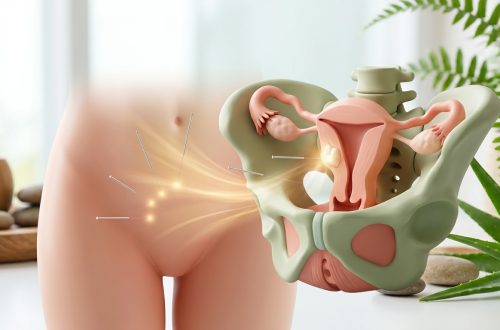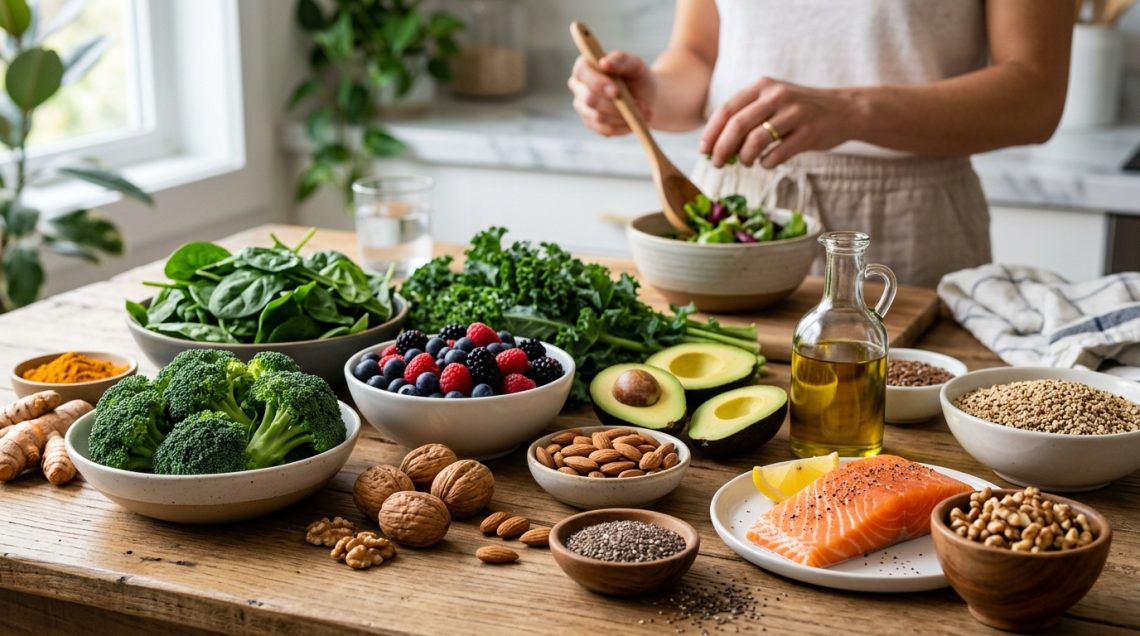
You’ve been told you have fibroids, and now you’re wondering if your fork can be part of the solution. The answer is yes. While food alone won’t make fibroids disappear overnight, certain dietary choices can influence their growth, reduce inflammation, and ease the heavy bleeding and pain that often come with them.
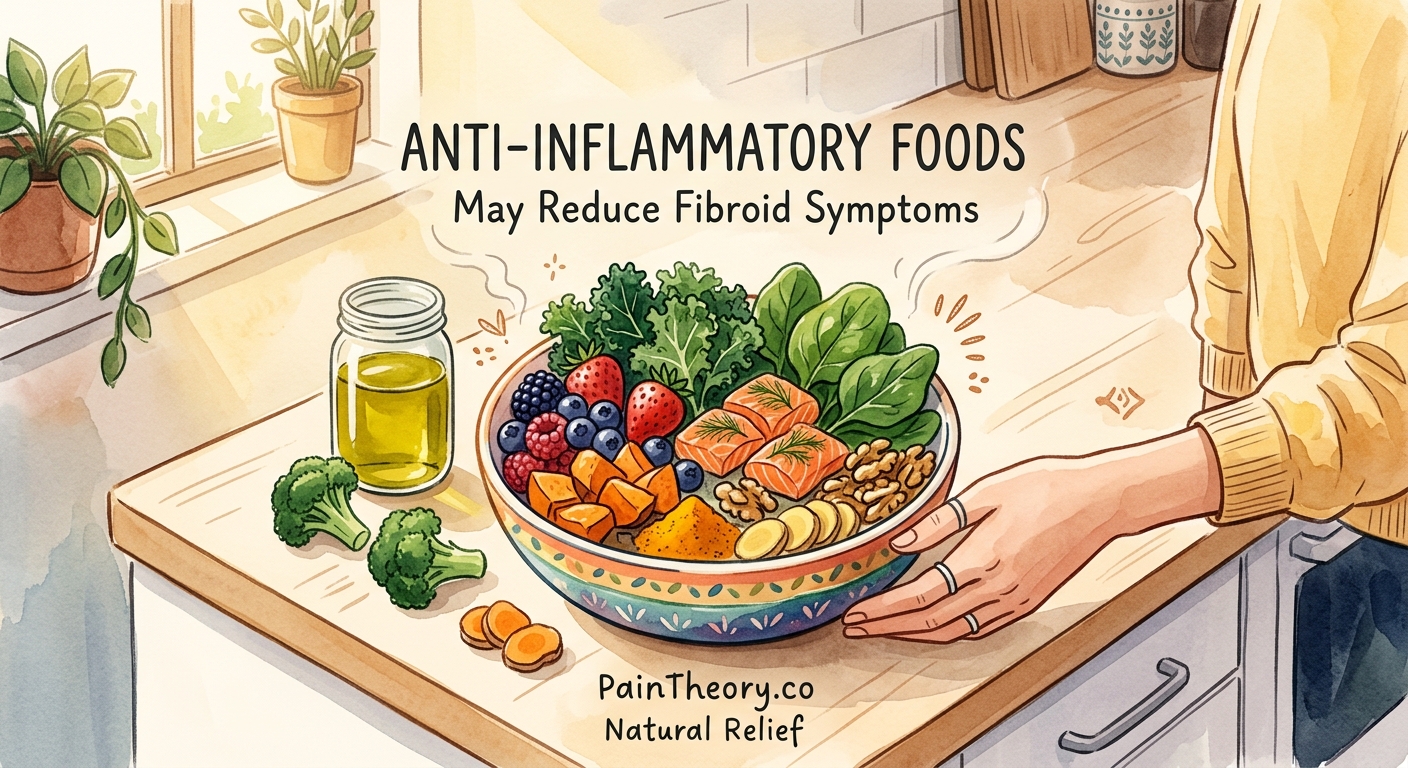
Eating foods rich in fiber, antioxidants, and [omega-3 fatty acids](https://www.ncbi.nlm.nih.gov/pmc/articles/PMC3074428/) may help shrink fibroids by reducing estrogen levels and inflammation. Focus on leafy greens, cruciferous vegetables, fatty fish, berries, and whole grains while avoiding processed foods, red meat, and high-sugar items. Consistency matters more than perfection, and dietary changes work best alongside medical guidance for managing fibroid symptoms and supporting overall reproductive health.
Understanding How Food Affects Fibroid Growth
Fibroids are estrogen-sensitive tumors. They thrive when estrogen levels stay elevated.
Your diet directly impacts how your body produces, processes, and eliminates estrogen.
Foods high in fiber help your liver clear excess estrogen through your digestive system. When fiber intake is low, estrogen gets reabsorbed instead of eliminated.
Inflammation also plays a role. Chronic inflammation creates an environment where fibroids can grow more easily. Anti-inflammatory foods calm this response.
Insulin resistance and high blood sugar levels have been linked to increased fibroid risk. Foods that stabilize blood sugar may help slow fibroid development.
Understanding these connections gives you practical tools to make choices that support your body’s natural balance.
Foods That May Help Shrink Fibroids
Cruciferous Vegetables
Broccoli, cauliflower, Brussels sprouts, and kale contain compounds called indole-3-carbinol and sulforaphane.
These substances help your liver metabolize estrogen into less potent forms.
Aim for at least one serving daily. Steaming preserves more nutrients than boiling.
Fatty Fish Rich in Omega-3s
Salmon, mackerel, sardines, and anchovies deliver omega-3 fatty acids that reduce inflammation throughout your body.
Studies show women who eat more omega-3s have lower rates of fibroid development.
Try to include fatty fish two to three times per week.
Berries and Dark Fruits
Blueberries, blackberries, cherries, and pomegranates pack antioxidants that combat oxidative stress.
These fruits also contain compounds that may inhibit fibroid cell growth.
Fresh or frozen both work. Add them to breakfast or snacks.
Leafy Greens
Spinach, Swiss chard, collard greens, and arugula provide folate, magnesium, and vitamin K.
They support liver function and help regulate estrogen metabolism.
Raw in salads or lightly sautéed both deliver benefits.
Legumes and Beans
Lentils, chickpeas, black beans, and split peas offer plant-based protein and soluble fiber.
They stabilize blood sugar and provide phytoestrogens that may block stronger estrogen from binding to receptors.
Include them in soups, salads, or as side dishes.
Whole Grains
Brown rice, quinoa, oats, and barley contain fiber that aids estrogen elimination.
They also provide B vitamins that support hormone balance.
Choose whole grains over refined versions whenever possible.
Green Tea
This beverage contains epigallocatechin gallate (EGCG), a compound shown in some studies to inhibit fibroid cell proliferation.
Drink two to three cups daily for potential benefits.
Skip the sugar to avoid counteracting the positive effects.
Foods to Avoid When Managing Fibroids
Certain foods may promote fibroid growth or worsen symptoms.
Red meat has been associated with higher fibroid risk in multiple studies. The hormones and compounds formed during high-heat cooking may contribute.
Processed foods often contain additives, trans fats, and refined sugars that increase inflammation and insulin resistance.
High-sugar items spike blood sugar and insulin levels, creating conditions that favor fibroid growth.
Alcohol can impair liver function, reducing your body’s ability to process and eliminate excess estrogen.
Dairy products from conventional sources may contain added hormones. If you consume dairy, choose organic or hormone-free options.
Refined carbohydrates like white bread, pastries, and white rice cause rapid blood sugar spikes and provide little nutritional value.
Reducing these foods doesn’t mean eliminating them entirely. Small changes add up over time.
Building Your Fibroid-Friendly Meal Plan
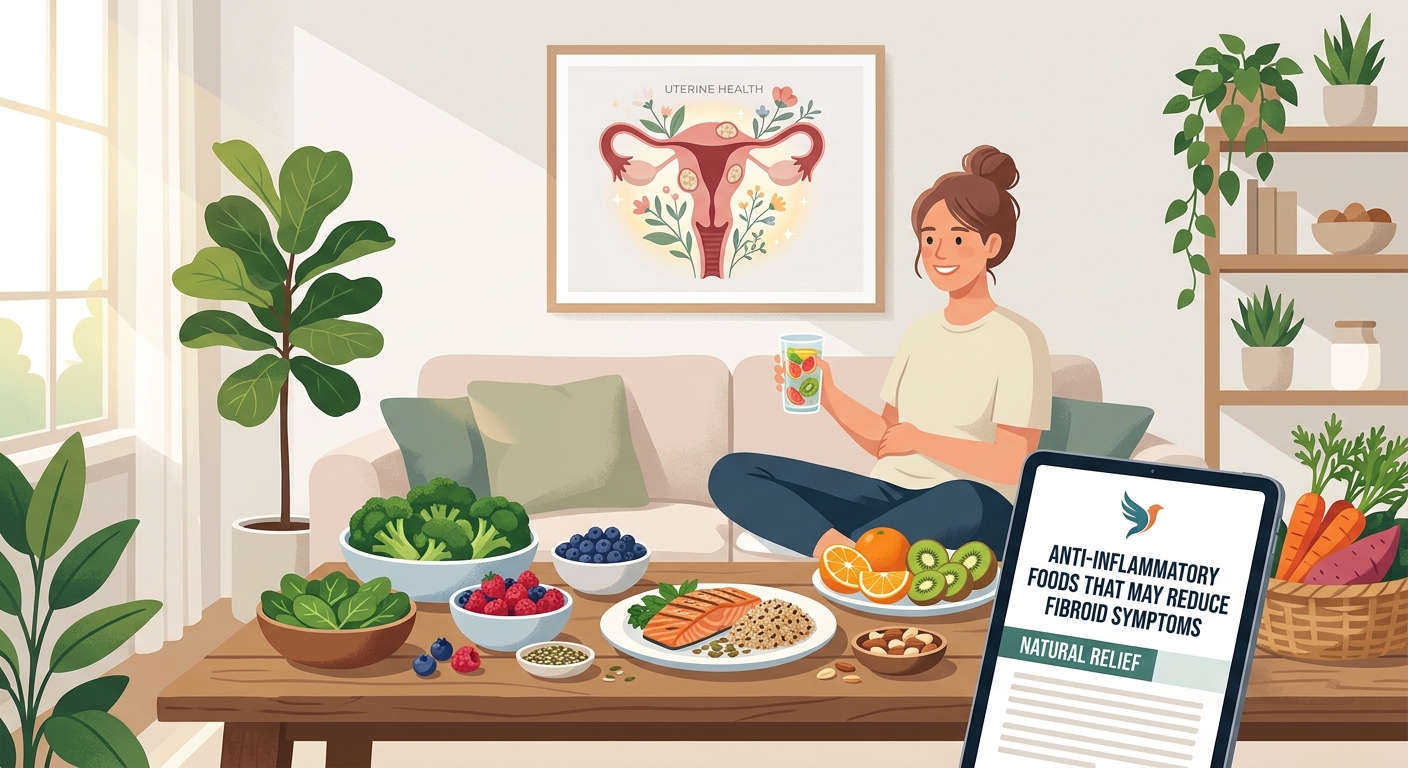
Creating sustainable eating habits matters more than following a restrictive diet.
Step 1: Start With Breakfast
Replace sugary cereals with oatmeal topped with berries and ground flaxseed.
Or try a vegetable omelet with spinach and mushrooms.
Green tea instead of coffee can add beneficial compounds without the caffeine crash.
Step 2: Pack Fiber Into Lunch
Build meals around legumes, whole grains, and vegetables.
A quinoa bowl with roasted vegetables and chickpeas checks multiple boxes.
A lentil soup with a side salad works too.
Step 3: Make Dinner Anti-Inflammatory
Center your plate on fatty fish or plant-based proteins.
Fill half your plate with colorful vegetables, especially cruciferous options.
Use olive oil, turmeric, and garlic for flavor and added anti-inflammatory benefits.
Step 4: Choose Smart Snacks
Keep cut vegetables with hummus ready.
Handful of walnuts or almonds provide healthy fats.
Fresh fruit satisfies sweet cravings without added sugar.
Step 5: Stay Consistent
Meal prep on weekends to make healthy choices easier during busy weekdays.
Keep frozen vegetables and canned beans on hand for convenience.
Don’t aim for perfection. Consistency beats intensity.
“Dietary interventions for fibroids should focus on reducing estrogen dominance through increased fiber intake and supporting the body’s natural detoxification pathways. The goal is creating an internal environment less favorable to fibroid growth.” — Integrative gynecology research, 2022
Common Mistakes to Avoid
| Mistake | Why It Matters | Better Approach |
|---|---|---|
| Expecting immediate results | Dietary changes take 3-6 months to show effects | Track symptoms monthly, not daily |
| Cutting too many foods at once | Restrictive diets are hard to maintain | Add beneficial foods before removing others |
| Ignoring portion sizes | Even healthy foods can cause weight gain | Use smaller plates, measure servings initially |
| Skipping meals | Blood sugar crashes increase inflammation | Eat every 3-4 hours to maintain stability |
| Not reading labels | Hidden sugars and additives sneak into “healthy” products | Check ingredient lists, not just marketing claims |
| Relying only on supplements | Whole foods provide synergistic nutrients | Get nutrients from food first, supplements second |
How Long Before You See Results
Most women notice symptom improvements within three to six months of consistent dietary changes.
Heavy bleeding may lighten first.
Pain and pressure often decrease next.
Actual fibroid size reduction takes longer, typically six months to a year.
Ultrasound measurements every six months can track progress objectively.
Keep a symptom journal to notice patterns you might otherwise miss. Note bleeding intensity, pain levels, and energy throughout your cycle.
Some women find that symptoms related to fibroid-associated weight gain improve as inflammation decreases and hormone balance improves.
Supporting Your Diet With Lifestyle Changes
Food works best when combined with other healthy habits.
Regular movement helps maintain healthy weight and reduces inflammation. Aim for 30 minutes most days.
Stress management matters because chronic stress elevates cortisol, which can disrupt hormone balance. Try yoga, meditation, or simply walking outside.
Quality sleep allows your body to repair and regulate hormones properly. If chronic pain disrupts your sleep, addressing both issues together yields better results.
Adequate hydration supports liver function and helps flush toxins. Aim for eight glasses of water daily.
When Diet Alone Isn’t Enough
Food can be powerful, but it’s not a replacement for medical care.
If your fibroids cause severe symptoms like:
- Heavy bleeding that soaks through pads hourly
- Severe pain that interferes with daily activities
- Pressure on your bladder or bowel
- Fertility concerns
You need medical evaluation.
Dietary changes work well for small to moderate fibroids with manageable symptoms. They can complement medical treatments too.
Some women use heat therapy for fibroid pain relief while building long-term dietary habits.
Surgical options become necessary when fibroids significantly impact quality of life despite conservative approaches.
Sample Weekly Shopping List
Having the right ingredients on hand makes healthy eating easier.
Produce section:
– Broccoli, cauliflower, Brussels sprouts
– Spinach, kale, mixed greens
– Blueberries, strawberries, cherries
– Sweet potatoes, carrots, bell peppers
– Garlic, ginger, turmeric root
Protein sources:
– Wild-caught salmon or mackerel
– Canned sardines or anchovies
– Organic chicken or turkey (optional)
– Eggs from pasture-raised chickens
Pantry staples:
– Brown rice, quinoa, oats
– Lentils, chickpeas, black beans
– Extra virgin olive oil
– Raw nuts and seeds
– Green tea
Freezer items:
– Mixed berries
– Frozen vegetables (for convenience)
– Wild-caught fish fillets
Understanding the Science Behind Food and Hormones
Your body maintains hormone balance through multiple systems working together.
The liver processes estrogen and prepares it for elimination. When liver function is compromised by poor diet, alcohol, or toxins, estrogen builds up.
Your gut microbiome influences estrogen levels through the estrobolome, a collection of bacteria that help metabolize hormones. Fiber feeds beneficial bacteria.
Fat cells produce estrogen. Maintaining a healthy weight through diet and exercise helps regulate production.
Insulin resistance increases inflammation and may promote fibroid growth. Foods with a low glycemic index keep insulin stable.
These interconnected systems explain why whole-diet approaches work better than focusing on single “superfood” items.
Tracking Your Progress
Objective measurements help you see what’s working.
Symptom diary: Rate pain, bleeding, and energy daily on a 1-10 scale. Patterns emerge over weeks.
Menstrual tracking: Note cycle length, flow heaviness, and clot size. Many apps make this easy.
Weight and measurements: Monthly weigh-ins and waist measurements track changes.
Medical imaging: Ultrasounds every six months show whether fibroids are stable, shrinking, or growing.
Blood work: Ask your doctor to check iron levels if you have heavy bleeding. Ferritin below 30 suggests deficiency.
Photos of meals: Taking pictures of what you eat reveals patterns you might not notice otherwise.
Addressing Common Concerns
“Can I eat soy with fibroids?”
Moderate amounts of whole soy foods like edamame, tempeh, and miso are generally safe. They contain phytoestrogens that may actually block stronger estrogen. Avoid highly processed soy protein isolates.
“Do I need to go completely organic?”
Prioritize organic for the “dirty dozen” produce items and for animal products. Conventional options for the “clean fifteen” are fine if budget is tight.
“What about supplements?”
Vitamin D, omega-3s, and a quality multivitamin can fill gaps. But get most nutrients from food. Always discuss supplements with your healthcare provider.
“Can I ever have dessert?”
Yes. Occasional treats won’t derail your progress. Choose dark chocolate, fruit-based desserts, or homemade versions with less sugar.
Making It Work in Real Life
Theory is easy. Implementation is harder.
Eating out: Choose restaurants with vegetable-forward menus. Ask for dressings on the side. Swap fries for salad or steamed vegetables.
Family meals: Cook one base meal and offer different toppings. Taco night works with various protein and vegetable options.
Time constraints: Batch cook grains and proteins on Sunday. Pre-cut vegetables. Use a slow cooker or instant pot.
Budget concerns: Frozen vegetables cost less and last longer. Dried beans are cheaper than canned. Buy seasonal produce.
Social pressure: Bring a dish to gatherings that fits your needs. Eat before events if options will be limited. Be honest about your health goals without over-explaining.
Your Kitchen Becomes Your Pharmacy
The connection between what you eat and how your body manages fibroids is real and measurable.
You don’t need exotic ingredients or complicated recipes. Simple, whole foods prepared consistently create the foundation for hormone balance and reduced inflammation.
Start with one meal. Then one day. Then one week.
Your body will respond to the nutrients you provide. Give it the building blocks for health, and it will use them to create balance.
The fibroids may not disappear completely, but the symptoms that disrupt your life can improve significantly. That’s worth the effort of choosing broccoli over bread, salmon over steak, and berries over brownies most of the time.
Your fork really can be part of your healing.