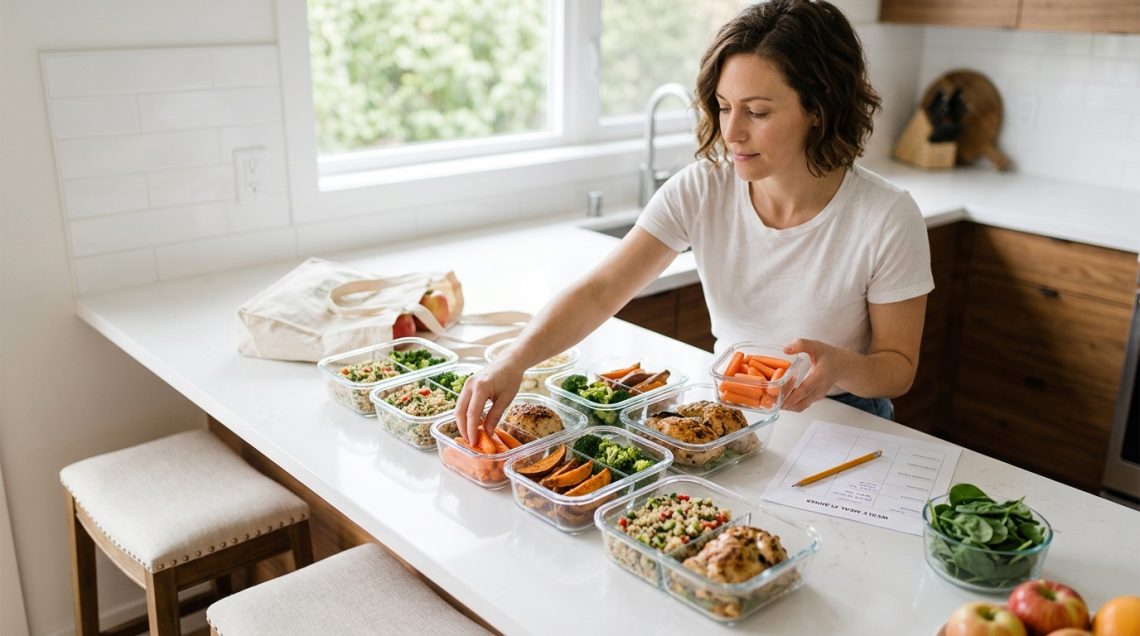
Standing at the kitchen counter feels like running a marathon when chronic pain drains your energy. The thought of chopping vegetables, stirring pots, and cleaning up afterward can be overwhelming enough to reach for takeout menus instead. But relying on restaurant food every day isn’t sustainable for your health or your wallet. You need a realistic approach to meal planning with chronic pain that acknowledges your limitations while keeping you nourished.
Meal planning with chronic pain requires strategic shortcuts like batch cooking on good days, choosing one-pot meals, using pre-cut ingredients, and building a rotation of simple recipes. Focus on nutrient-dense foods that reduce inflammation while minimizing time standing and repetitive motions. Success comes from planning around your energy levels, not fighting against them, and creating systems that make cooking possible even on difficult days.
Understanding How Pain Affects Your Ability to Cook
Chronic pain doesn’t just hurt. It steals your energy in ways healthy people rarely understand.
Standing for 20 minutes to prepare dinner can trigger flare-ups that last for days. Repetitive motions like chopping or stirring aggravate inflamed joints. Brain fog makes following complex recipes feel impossible. Fatigue hits hardest right when you need to cook dinner.
The physical demands of traditional cooking create a genuine barrier. Lifting heavy pots strains your back. Opening jars tests painful hands. Bending to reach lower cabinets triggers spasms. These aren’t excuses. They’re real limitations that require practical solutions.
Many people with chronic conditions also experience appetite changes. Pain medications can cause nausea. Inflammation and pain affect how your body processes nutrients. Depression from ongoing discomfort reduces interest in food.
But proper nutrition matters more when you’re managing pain, not less. Your body needs quality fuel to heal tissues, regulate inflammation, and maintain energy. Skipping meals or surviving on processed snacks creates a downward spiral that worsens symptoms.
Building Your Low-Energy Meal Planning System
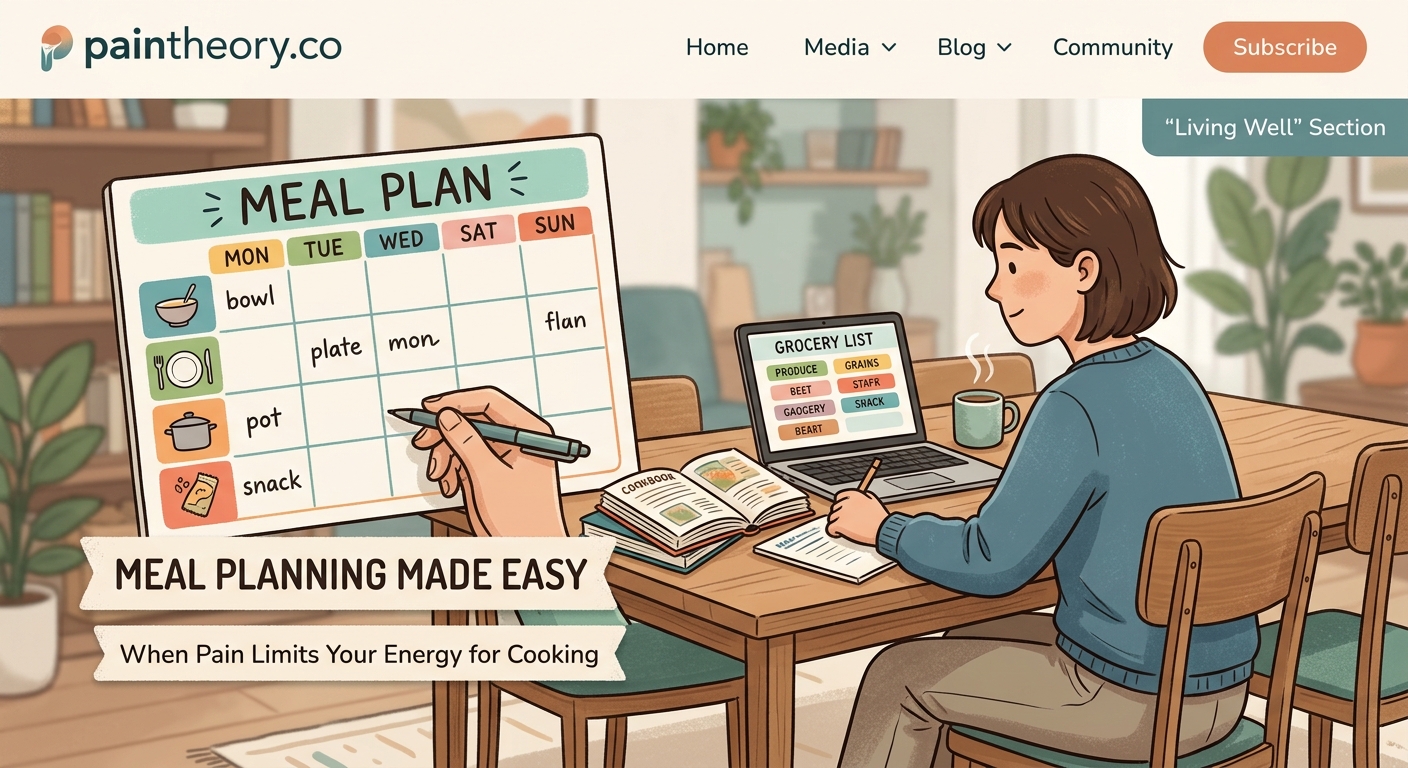
The foundation of successful meal planning with chronic pain is matching your cooking to your energy levels, not some idealized version of yourself.
Start by tracking your energy patterns for one week. Note when you feel most capable and when symptoms peak. Most people find certain times of day or days of the week more manageable. Use this information strategically.
Energy-based planning essentials:
- Schedule cooking tasks during your best hours
- Plan simpler meals for predictably difficult days
- Build in backup options for unexpected flare-ups
- Accept that some days require minimal effort meals
- Rotate between cooking days and assembly days
Create a master list of meals sorted by energy requirement. High energy meals might involve multiple steps or longer standing time. Medium energy options use one pot or sheet pan. Low energy choices require only assembly or reheating.
Your meal rotation should include at least 10 to 15 recipes you can make without thinking. Familiar recipes eliminate decision fatigue and reduce the mental load. You’re not trying to be a creative chef. You’re trying to feed yourself consistently.
“The goal isn’t perfect nutrition every single day. It’s maintaining adequate nutrition over time while protecting your limited energy for other essential activities. Some days, a protein shake and some fruit is enough.” — Registered dietitian specializing in chronic illness
Practical Strategies That Actually Save Energy
Theory means nothing without actionable techniques you can implement today.
Batch cooking on tolerable days creates a buffer for difficult ones. When you feel capable, double or triple recipe quantities. Freeze portions in single-serving containers. Label everything with contents and date. Future you will be grateful.
One-pot meals minimize both active cooking time and cleanup. Slow cookers, Instant Pots, and sheet pan dinners become your best friends. Load ingredients, walk away, return to finished food. Less standing, less stirring, less pain.
Pre-cut ingredients cost more but save significant energy. Bagged salad greens, pre-chopped onions, frozen vegetables, and rotisserie chicken eliminate the most physically demanding prep work. Calculate the cost against takeout, not against whole ingredients. The comparison becomes more favorable.
Time and energy savers worth the investment:
- Electric can opener for arthritic hands
- Lightweight pots and pans
- Silicone jar openers
- Rolling cart to transport ingredients
- Tall stool for seated prep work
- Pre-portioned freezer meals
Organize your kitchen to minimize bending and reaching. Store frequently used items at waist height. Use lazy Susans in cabinets. Keep a small cutting board and knife near the stove. Every step you eliminate matters.
Consider assembly meals that require no actual cooking. Rotisserie chicken with bagged salad and microwaved sweet potato. Canned soup enhanced with frozen vegetables and crackers. Cheese, crackers, fruit, and nuts arranged on a plate. These aren’t failures. They’re smart adaptations.
Creating Your Pain-Friendly Weekly Plan
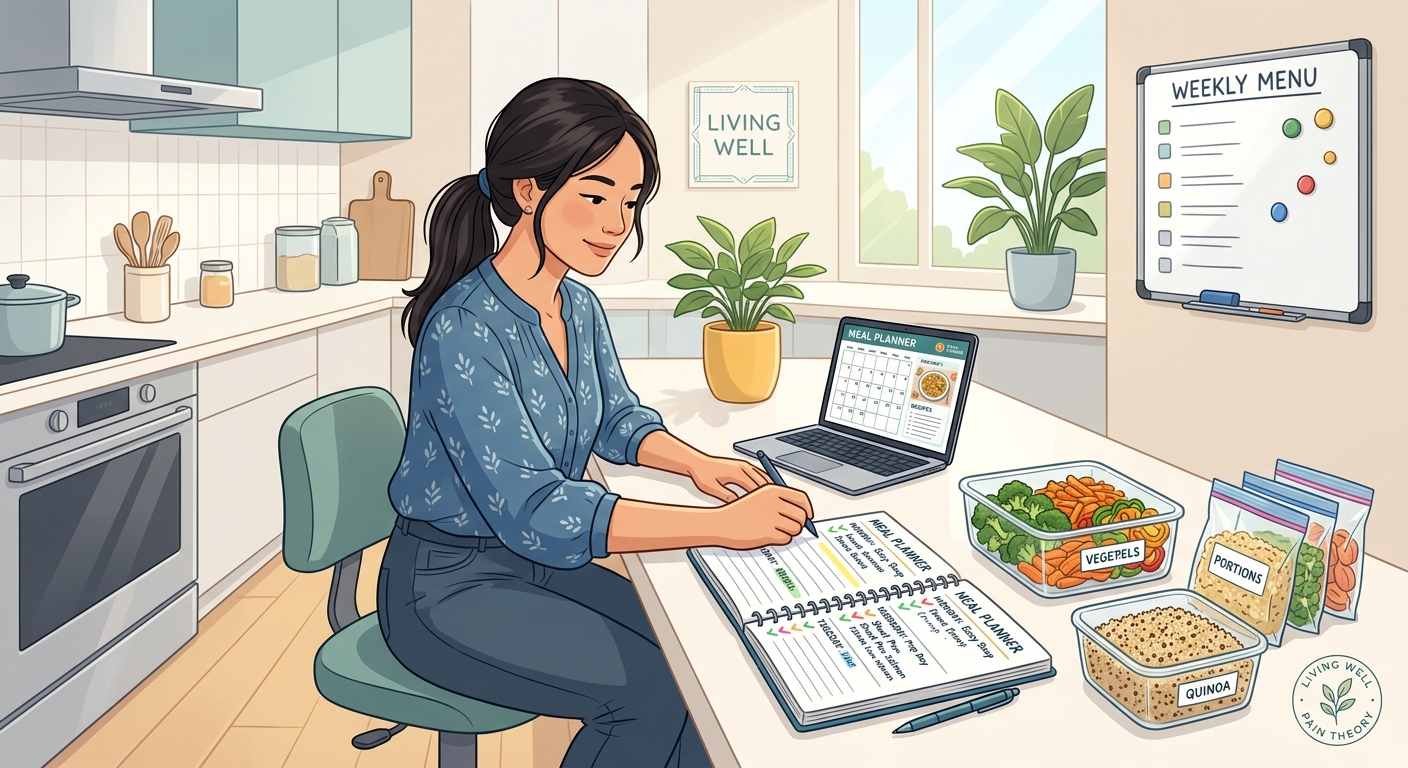
A sustainable weekly plan balances nutrition, variety, and energy conservation.
- Choose one day for planning and shopping (or use delivery services)
- Identify your energy level for each upcoming day
- Assign appropriate meals to each day
- Prep ingredients on your best day if possible
- Cook larger batches when capable
- Keep backup options ready for bad days
- Review and adjust based on what actually worked
Your shopping list should include staples that work across multiple meals. Proteins like eggs, canned beans, frozen chicken, and Greek yogurt. Grains like rice, pasta, and bread. Vegetables both fresh and frozen. Healthy fats like olive oil, nuts, and avocados.
Stock your pantry with convenient nutrition boosters. Canned tomatoes, broth, pasta sauce, nut butter, and canned fish create complete meals quickly. Spices and herbs add flavor without effort. Having these foundations means you’re never starting from zero.
Plan for realistic portions. Cooking for one when recipes serve four creates waste and decision fatigue about leftovers. Either scale recipes down or intentionally plan to eat the same meal multiple times. Both approaches work. Choose what fits your preferences.
| Meal Type | Energy Required | Example Options |
|---|---|---|
| High effort | 45+ minutes standing | Homemade lasagna, stir-fry, roasted chicken |
| Medium effort | 20-30 minutes active | One-pot pasta, sheet pan meals, slow cooker recipes |
| Low effort | 10 minutes or less | Sandwiches, salad with rotisserie chicken, frozen meals |
| Emergency backup | 5 minutes | Protein shake, yogurt and granola, cheese and crackers |
Nutrition Priorities When Energy Is Limited
You can’t address every nutritional ideal when managing chronic pain. Focus on what matters most.
Protein at every meal helps maintain muscle mass and supports healing. Aim for palm-sized portions. Eggs, Greek yogurt, cottage cheese, canned tuna, rotisserie chicken, and protein powder all work. Don’t stress about variety. Consistency matters more.
Anti-inflammatory foods may help reduce pain over time. Fatty fish, leafy greens, berries, nuts, olive oil, and turmeric show up repeatedly in research. The anti-inflammatory diet for back pain offers additional guidance for specific conditions.
Fiber prevents constipation, a common side effect of pain medications and reduced activity. Beans, whole grains, fruits, and vegetables all contribute. Frozen and canned options count just as much as fresh.
Hydration affects pain levels more than most people realize. Keep water bottles in multiple locations. Set phone reminders. Add flavor with fruit or herbal tea if plain water feels boring. Dehydration worsens fatigue and increases pain sensitivity.
Limit foods that promote inflammation when possible. Highly processed snacks, excessive sugar, and fried foods can worsen symptoms for some people. But don’t create additional stress by being overly restrictive. An 80/20 approach works better than perfectionism.
Common Mistakes to Avoid
Well-meaning advice often creates more problems for people managing chronic pain.
Meal prep Sunday sounds great until you realize spending three hours cooking on one day triggers a week-long flare-up. Spread tasks across multiple days instead. Chop vegetables Monday, cook protein Tuesday, assemble meals Wednesday. Breaking it up protects your body.
Complicated recipes with 15 ingredients and multiple techniques waste precious energy. Simple food tastes good too. Roasted chicken thighs with frozen vegetables and rice provides complete nutrition without complexity. Save your energy for living, not cooking.
Buying ingredients for meals you’ll probably never make wastes money and creates guilt. Be honest about what you’ll actually prepare. Five realistic meals you’ll make beat 20 aspirational recipes you won’t.
Comparing yourself to healthy people or your pre-pain self serves no purpose. Your situation is different. Your solutions need to be different too. That’s adaptation, not failure.
Skipping meals because cooking feels too hard backfires quickly. Low blood sugar worsens pain sensitivity and mood. Keep genuinely easy options available. Nutrition bars, instant oatmeal, and frozen burritos prevent the skip-meal spiral.
Tools and Services That Actually Help
Strategic use of tools and services can make meal planning with chronic pain significantly more manageable.
Grocery delivery or pickup services eliminate the physical demands of shopping. Many stores offer this at minimal cost. The energy saved is worth far more than the small fee. Use saved shopping lists to speed up reordering.
Meal kit services provide pre-portioned ingredients and simple instructions. Some companies offer low-prep options specifically designed for limited mobility. Calculate cost per meal against takeout, not against grocery store prices. The comparison often surprises people.
Small kitchen appliances do work your body can’t sustain. Electric pressure cookers reduce cooking time dramatically. Air fryers create crispy food without standing over a stove. Rice cookers produce perfect grains with zero attention. Immersion blenders make soup without transferring hot liquid.
Voice-activated assistants can set timers, read recipes aloud, and add items to shopping lists without requiring you to stop what you’re doing. This hands-free help reduces the mental load of cooking.
Food storage containers in standard sizes make portioning and freezing straightforward. Clear containers let you see contents without opening everything. Microwave-safe options go from freezer to table with minimal handling.
Adjusting Your Plan as Conditions Change
Chronic pain rarely stays constant. Your meal planning system needs flexibility built in.
Why does pain become chronic varies by individual, and flare-ups happen despite your best efforts. During severe episodes, lower your standards without guilt. Feeding yourself adequately matters more than feeding yourself ideally.
Keep a running list of what works during different pain levels. When brain fog hits, you won’t remember your easiest meals. A posted list removes decision-making when thinking hurts.
Seasonal changes affect both pain levels and food preferences. Winter might bring increased joint pain but also make soup more appealing. Summer heat can worsen fatigue but makes cold meals more attractive. Adjust your rotation accordingly.
Life changes require plan updates. New medications might affect appetite or energy. Comparing pain medications can help you understand these effects. Physical therapy might temporarily increase fatigue. Schedule simpler meals during adjustment periods.
Track what actually gets eaten versus what gets thrown away. Patterns emerge. Maybe you never eat leftovers after three days. Maybe certain vegetables always go bad. Use this information to refine your planning. Waste indicates a mismatch between plan and reality.
Making Peace with Good Enough
Perfect meal planning doesn’t exist for anyone, and especially not when managing chronic pain.
Some days, cereal for dinner is the right choice. Some weeks, you’ll eat the same meal five times. Some months, you’ll rely more heavily on convenience foods than you’d prefer. All of these scenarios are acceptable when the alternative is not eating adequately.
Your energy is finite and precious. Spending it all on cooking leaves nothing for work, relationships, hobbies, or rest. How to sleep better when chronic pain keeps you awake matters as much as nutrition. Everything connects.
Food is fuel, not a moral issue. Frozen vegetables provide the same nutrients as fresh. Rotisserie chicken counts as home cooking if you eat it at home. Protein powder in a smoothie is a legitimate meal. Release any shame around these practical choices.
Building Habits That Stick
Small, consistent actions create sustainable meal planning with chronic pain better than occasional heroic efforts.
Start with one manageable change. Maybe that’s keeping hard-boiled eggs in the refrigerator. Maybe it’s trying one new freezer-friendly recipe. Maybe it’s setting up grocery delivery. Master one thing before adding another.
Link new habits to existing routines. Take medications with a protein-rich breakfast. Prep tomorrow’s lunch while today’s dinner cooks. Review your meal plan during your Sunday coffee. Attachment to established patterns increases success.
Celebrate what works instead of fixating on what doesn’t. You ate vegetables three times this week? That’s worth acknowledging. You avoided expensive takeout twice? That’s a win. You fed yourself adequately despite a pain flare? That’s genuinely impressive.
Ask for help when you need it. Friends and family often want to support you but don’t know how. Specific requests work better than general offers. “Could you chop these vegetables when you visit?” or “Would you pick up groceries on your way over?” gives people concrete ways to help.
Your Kitchen, Your Rules
Meal planning with chronic pain requires releasing conventional cooking wisdom and creating systems that actually work for your body and your life.
The strategies that help your healthy neighbor won’t necessarily help you. The recipes your grandmother made won’t work if standing for an hour triggers debilitating pain. The meal prep advice from fitness influencers wasn’t designed for people managing chronic conditions.
Your approach needs to center your reality. Limited standing time, reduced grip strength, unpredictable energy, brain fog, and medication side effects all factor into what’s actually possible. Working with these limitations instead of against them creates sustainable solutions.
Start where you are. Use what you have. Do what you can. That’s not a compromise. That’s intelligent adaptation. Every meal that nourishes your body without depleting your energy reserves is a success worth celebrating. You’re not failing at cooking. You’re succeeding at managing a complex chronic condition while keeping yourself fed. That takes real skill, creativity, and resilience.