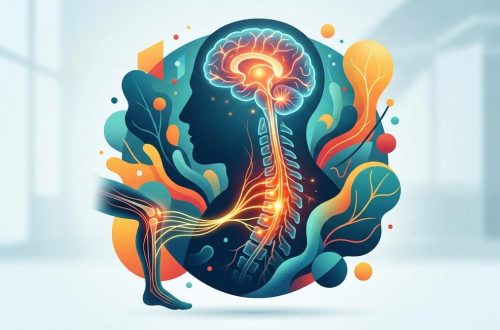
Chronic pain is more than just ongoing discomfort. It can reshape how your brain and nervous system function over time. Many people experience persistent pain without clear injury or damage. This is often because pain becomes a brain-based phenomenon, driven by changes in neural circuits. Understanding how chronic pain influences the brain helps you grasp why some pain conditions are so resistant to treatment. It also opens the door to effective, natural approaches to managing pain by rewiring your nervous system.
Chronic pain induces lasting changes in brain structure and function, mainly through neuroplasticity. These modifications can amplify pain signals and sustain discomfort even after initial injury heals. Understanding these processes empowers you to adopt strategies that may help reprogram your nervous system and reduce pain naturally.
How chronic pain alters brain circuitry
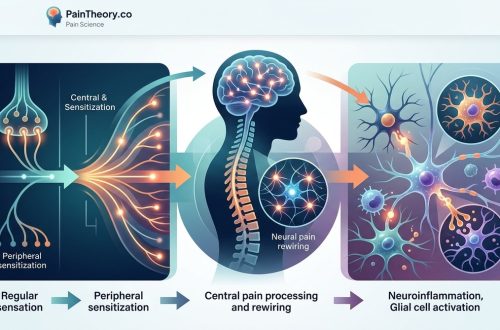
When pain persists over months or years, it causes the brain to adapt in ways that reinforce the sensation of discomfort. This process, driven by neuroplasticity, involves rewiring neural pathways and altering brain regions involved in pain perception, emotion, and behavior. As a result, the brain becomes more sensitive to pain signals and less responsive to natural pain regulation mechanisms.
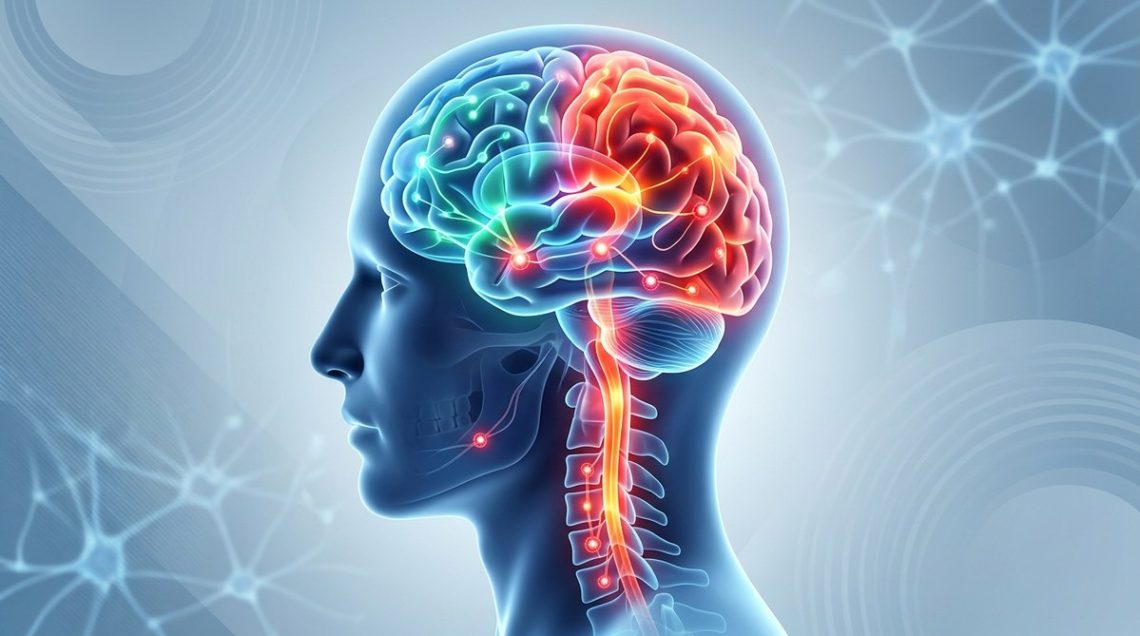
Chronic pain affects several key areas of the brain, including the prefrontal cortex, amygdala, hippocampus, and the anterior cingulate cortex. These regions are involved in decision-making, emotional regulation, memory, and pain processing. Changes in their structure and activity can lead to increased pain awareness, emotional distress, and even cognitive difficulties.
The science behind brain changes in chronic pain
Neuroplasticity is the brain’s ability to change throughout life. It allows the nervous system to adapt to new experiences, learn skills, and recover from injury. However, in the context of chronic pain, neuroplasticity can work in a maladaptive way, reinforcing pain pathways instead of diminishing them.
Here are three core ways chronic pain rewires the brain:
-
Enhanced pain signaling
Repetitive activation of pain pathways increases their strength, making the brain more responsive to pain stimuli. This process is called central sensitization and leads to heightened sensitivity, where even light touch or minor stimuli can cause significant discomfort. -
Altered brain structure
Studies show that chronic pain can cause physical changes in brain regions, such as a decrease in gray matter volume in areas related to cognition and emotion. These structural adaptations can contribute to issues like memory problems, depression, and anxiety. -
Disrupted pain regulation
The brain’s natural pain control systems, involving areas like the periaqueductal gray, become less effective. This results in a decreased ability to turn down pain signals, making discomfort more persistent and harder to manage.
How pain reshapes emotional and cognitive areas
Persistent pain does not only change sensory pathways. It also impacts regions involved in emotion and cognition. The amygdala, which processes fear and emotional responses, can become hyperactive, heightening feelings of distress. The hippocampus, essential for memory, may shrink in chronic pain states, leading to difficulties concentrating or remembering.
This interplay creates a cycle where emotional distress worsens pain perception, which in turn amplifies emotional responses. Understanding this connection highlights the importance of addressing mental health alongside physical symptoms in pain management.
Practical processes to reverse brain changes
While the brain’s plasticity allows it to adapt, it also means that maladaptive changes can be undone. Here are three practical steps to help rewire your nervous system:
-
Engage in neuroplasticity-based therapies
Techniques like graded motor imagery, mindfulness, and cognitive-behavioral therapy can promote positive neural rewiring. These approaches help decrease the overactivity of pain pathways and strengthen pain inhibitory systems. -
Incorporate physical activity
Regular, gentle movement stimulates the brain’s natural pain regulation circuits. Activities like walking, stretching, or yoga can help rebuild healthy neural connections and reduce sensitivity. -
Practice stress reduction
Chronic stress worsens neural reactivity and emotional distress. Meditation, breathing exercises, and relaxation techniques can calm the nervous system, making it more receptive to healing.
Techniques and mistakes in rewiring your brain
| Technique | What it does | Common mistake |
|---|---|---|
| Mindfulness meditation | Decreases pain perception by calming neural activity | Expecting immediate results |
| Graded exposure | Helps desensitize overreactive pathways | Pushing too hard too soon |
| Cognitive-behavioral therapy | Reframes pain-related thoughts and emotions | Ignoring emotional factors |
| Overexercising | Can increase neural sensitization | Doing too much too soon |
| Rushing progress | Leads to setbacks | Neglecting gradual steps |
“The brain’s capacity to change means that with consistent effort, you can retrain your nervous system to reduce pain. Patience and persistence are key.” — Dr. Jane Smith, pain specialist
The importance of understanding neuroplasticity in pain
Recognizing that the brain is adaptable offers hope. It shifts the focus from purely treating symptoms to actively rewiring neural circuits. Techniques like neurofeedback, mindfulness, and gentle movement tap into this capacity, helping diminish the brain’s overreaction to pain.
It is vital to approach pain management with patience. Changes in the brain take time, but each small step contributes to long-term relief.
Moving toward a resilient nervous system
Your brain and nervous system are not fixed. They are dynamic, capable of healing and adaptation. By applying strategies that promote healthy neuroplasticity, you can reduce the intensity and frequency of pain. This approach complements medical treatments and empowers you to regain control.
Remember, managing chronic pain involves addressing both physical and mental aspects. Developing a comprehensive plan that includes physical activity, mental health support, and pain education can make a significant difference.
A gentle reminder to foster your brain’s natural healing
Your nervous system has remarkable resilience. With consistent effort, you can help it shift away from maladaptive patterns. Incorporate mindfulness, move regularly, and seek support when needed. Over time, these steps can foster a healthier, less reactive brain that responds to pain more effectively.
Keep in mind that change takes time. Celebrate small victories along the way and remain patient with your progress. Your brain’s ability to adapt is your greatest ally in reducing chronic pain naturally.
Final thoughts on rewiring your pain pathways
Understanding how chronic pain changes the brain and nervous system naturally opens new pathways for healing. By engaging in practices that promote healthy neuroplasticity, you can influence your brain’s wiring over time. This approach offers a compassionate, empowering way to manage pain and improve your quality of life.
Remember, patience and consistency are your best tools. Small, daily efforts can lead to meaningful changes. With time, your nervous system can become more resilient, helping you regain control and comfort.