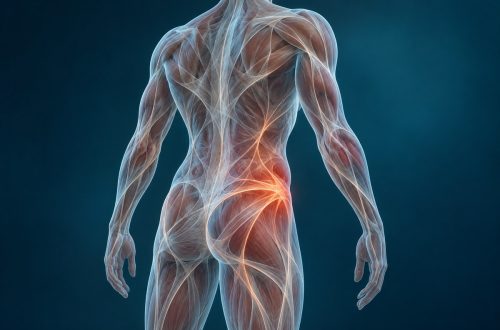
Your body remembers pain even after the original injury has healed. You might reach for a hot pan, feel a twinge in your lower back when you bend over, or wince at the memory of a past surgery. This isn’t just in your head. It’s a real biological process called pain memory, and it explains why your nervous system sometimes acts like it’s stuck in the past.
Pain memory is the nervous system’s way of storing past painful experiences to protect you from future harm. But this protective mechanism can backfire when the brain keeps sounding the alarm long after the threat is gone. Understanding how pain memory works can help you rewire those pathways and find lasting relief.
What Exactly Is Pain Memory?
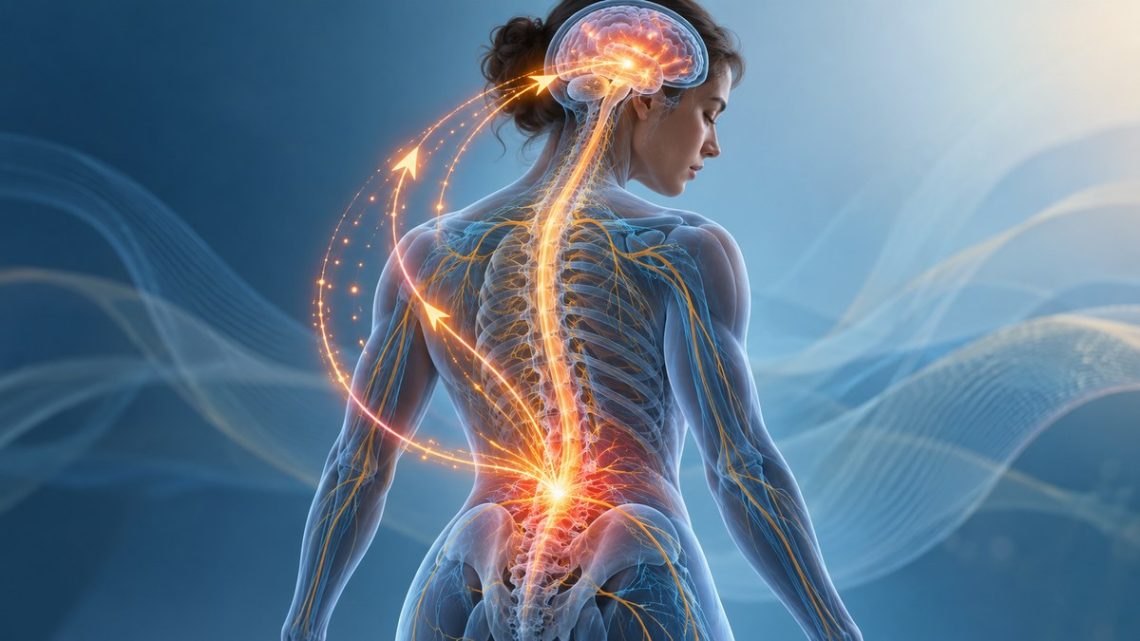
Pain memory is a phenomenon where your brain and spinal cord store information about a painful event. Think of it like a file your nervous system creates. Every time you experience pain, your brain logs the details: the location, the intensity, the emotions tied to it, and even the context. Next time you face a similar situation, your nervous system pulls up that file and prepares for a repeat.
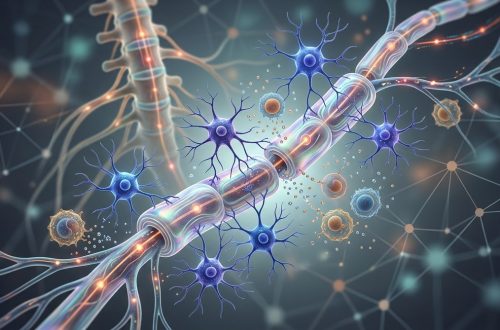
This process happens through a mechanism called neuroplasticity. Your neural pathways literally change shape based on experience. When you burn your hand on a stove, the neurons involved in that pain signal fire together. Over time, they become more efficient at firing together. That’s why a gentle heat can sometimes feel painful if your brain has learned to associate it with danger. This is the foundation of pain memory science.
How the Body Stores Pain: The Three-Step Process
Pain memory doesn’t happen all at once. It follows a predictable sequence that researchers have mapped out. Here is the process broken down into three steps.
-
Encoding. During the initial painful event, your peripheral nerves send signals to your spinal cord and brain. Your brain tags the experience with sensory details and emotional weight. The amygdala, which processes fear, and the hippocampus, which handles memory, work together to create a full record.
-
Consolidation. Over the next hours and days, your brain strengthens those neural connections. This is why the memory of pain can feel more vivid after a night of sleep. The brain rehearses the signal during rest, solidifying the pathway.
-
Retrieval. Later, a trigger can activate the stored pain memory. That trigger might be a similar movement, a specific smell, or even an emotional state like stress. Your brain replays the pain file, and you feel discomfort even without a new injury.
This system evolved to keep you safe. But when the retrieval step happens too easily or too often, it becomes a problem. That’s when acute pain turns chronic.
The Role of Central Sensitization
Central sensitization is a key concept in pain memory science. It describes a state where your central nervous system becomes hypersensitive. The volume knob on your pain signals gets turned up, and stays turned up.
When central sensitization takes hold, normal sensations can feel painful. A light touch on a healed scar might burn. A gentle stretch might ache. This happens because the neurons in your spinal cord have become more excitable. They amplify incoming signals, and they also start firing on their own.
This is not a psychological issue. It is a measurable change in your nervous system. Brain scans show that people with chronic pain have different patterns of activity in areas like the anterior cingulate cortex and the insula. These regions are part of the pain matrix, and they remain active even when no new injury exists.
Why Some Injuries Leave a Stronger Memory
Not every injury creates a lasting pain memory. Several factors determine whether your nervous system holds onto the experience.
- Emotional intensity. Pain that happens during a traumatic event is more likely to be encoded deeply. Fear, helplessness, and shock all strengthen the memory.
- Repetition. A single sprain might fade from memory. But if you sprain the same ankle three times, your brain learns that this joint is unreliable. The pain memory gets reinforced.
- Meaning. If you believe the pain signals serious damage, your brain pays more attention. This is why two people with the same injury can have very different pain experiences.
- Context. Pain that occurs in a familiar, safe environment is less likely to become chronic. Pain that happens during a car accident or a fall on ice is more memorable because the context is threatening.
Techniques That Help Rewrite Pain Memory
The good news is that pain memory can be changed. The same neuroplasticity that creates the problem can also solve it. Here are techniques backed by research.
| Technique | How It Works | Common Mistake |
|---|---|---|
| Graded exposure | Slowly reintroduces movement or pressure to desensitize the nervous system | Moving too fast and triggering a flare-up |
| Cognitive reframing | Changes the meaning your brain assigns to the sensation | Ignoring the pain instead of understanding it |
| Somatic tracking | Focuses attention on the sensation without judgment | Trying to force the sensation to stop |
| Pain education | Teaches the brain that pain is not equal to tissue damage | Expecting immediate results after one session |
“The brain learns pain through experience, and it can unlearn it through the right kind of experience.” – Dr. David S. Butler, pain researcher
One of the most effective approaches is graded exposure. You start with a movement that feels slightly threatening but not painful. For example, if you have low back pain when bending, you might bend only ten degrees and stop. You repeat this until your brain learns that ten degrees is safe. Then you increase the angle. Over weeks, your nervous system updates its pain file.
The Emotional Layer of Pain Memory
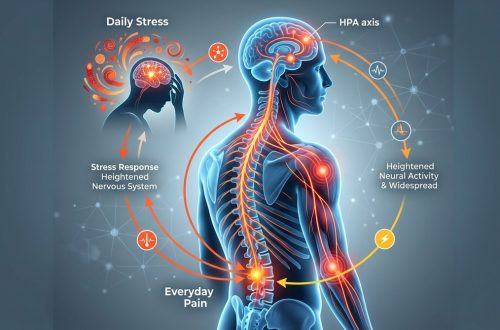
Pain memory is not just physical. Your emotions are woven into every pain file. That’s why stress can make your back hurt more, or why a sad day can amplify joint pain.
The connection works both ways. Pain triggers stress, and stress strengthens pain memory. Cortisol and other stress hormones make your neurons more excitable. They lower the threshold for firing. This means a minor annoyance can feel like a major problem when you are already stressed.
This is why addressing the emotional side of pain is so important. Techniques like mindfulness, therapy, and social support don’t just help you feel better emotionally. They actually change the neural pathways that store pain. When you reduce your stress load, you reduce the fuel for pain memory.
Practical Steps to Start Today
If you are living with chronic pain, you don’t need to wait for a specialist to get started. Here are things you can do right now.
- Pause before reacting. When you feel a familiar ache, stop and notice your thoughts. Are you bracing for the worst? That anticipation can trigger the pain memory before the sensation even registers.
- Move slowly and deliberately. Speed tells your brain that something is urgent. Slow, controlled movement sends a safety signal.
- Use curiosity instead of fear. Ask yourself: “What does this sensation actually feel like?” Describe it in neutral terms. Warm, tight, buzzing. This shifts your brain out of threat mode.
- Track your triggers. Keep a simple log of when pain flares. Look for patterns. Is it worse after certain meals? After a stressful meeting? After a poor night of sleep? Identifying triggers helps you predict and manage them.
- Learn about your condition. Understanding the science behind your pain can reduce fear. When you know that pain does not always mean damage, your brain can start to relax.
For a deeper look at how your nervous system keeps the score, read our pillar page on why your body keeps the score and the science of pain memory. If you want to understand how chronic pain changes your brain over time, check out our guide on how chronic pain alters your brain and nervous system.
When Pain Memory Becomes a Roadblock
There are times when pain memory is so entrenched that self-help strategies aren’t enough. If you have tried graded exposure and stress management for several weeks with no change, it might be time to talk to a professional.
Physical therapists who specialize in pain neuroscience can guide you through the process. They know how to find the right starting point and how to progress safely. Therapists trained in cognitive behavioral therapy or somatic experiencing can also help with the emotional layers.
Some people benefit from approaches like the role of central sensitization in chronic pain education. Understanding that your nervous system is stuck in a protective state can be a relief. It means you are not broken. You just need the right tools to retrain your system.
Your Nervous System Can Learn New Patterns
Pain memory is not a life sentence. Your brain is constantly changing, every day, based on what you do and think and feel. Each time you respond to a sensation with safety instead of fear, you weaken the old pain memory and build a new one.
This takes time. You might not notice changes in a day or a week. But over months, the neural pathways that hold your pain memory can fade. New pathways that carry safety and calm can grow stronger.
Start small. Pick one movement that feels a little scary but not agonizing. Do it once. Notice what happens. Then do it again tomorrow. Your body is listening. It wants to learn that you are safe now. Give it the chance to update its files.
The science of pain memory shows us that healing is possible. It starts with understanding, continues with small brave steps, and builds into a new way of living with your body.