When you think about chronic pain, inflammation probably comes to mind first. And you are not wrong. Acute inflammation is a normal, healthy response to injury. But what if the pain does not go away? What if your immune system keeps sending pain signals long after the original injury has healed? This is the hidden role of the immune system in chronic pain. It is a story that goes far beyond simple swelling or redness. Your immune cells can become hyperactive. They can talk directly to your nerves. They can turn a short-term problem into a long-term struggle. For anyone living with persistent back pain, fibroid pain, or conditions like endometriosis, understanding this connection is the first step toward real relief.
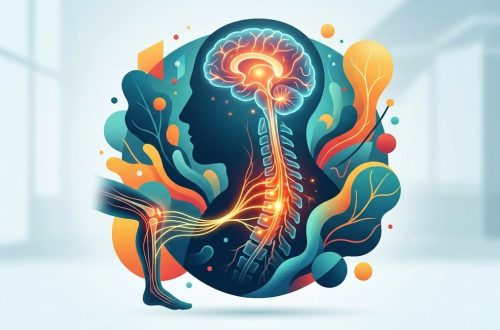
Chronic pain often persists because your immune system keeps signaling your nerves, even without an active injury. This process, called neuroinflammation, involves immune cells releasing molecules that sensitize pain receptors. Managing chronic pain requires calming this immune response, not just treating the original injury or general inflammation.
How Your Immune System Talks to Your Nerves
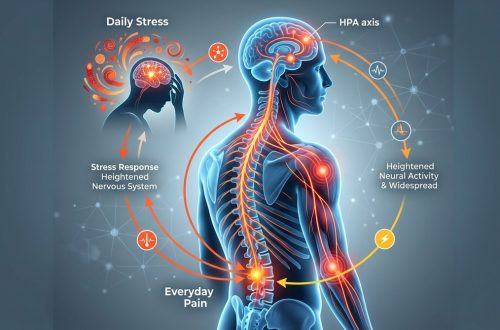
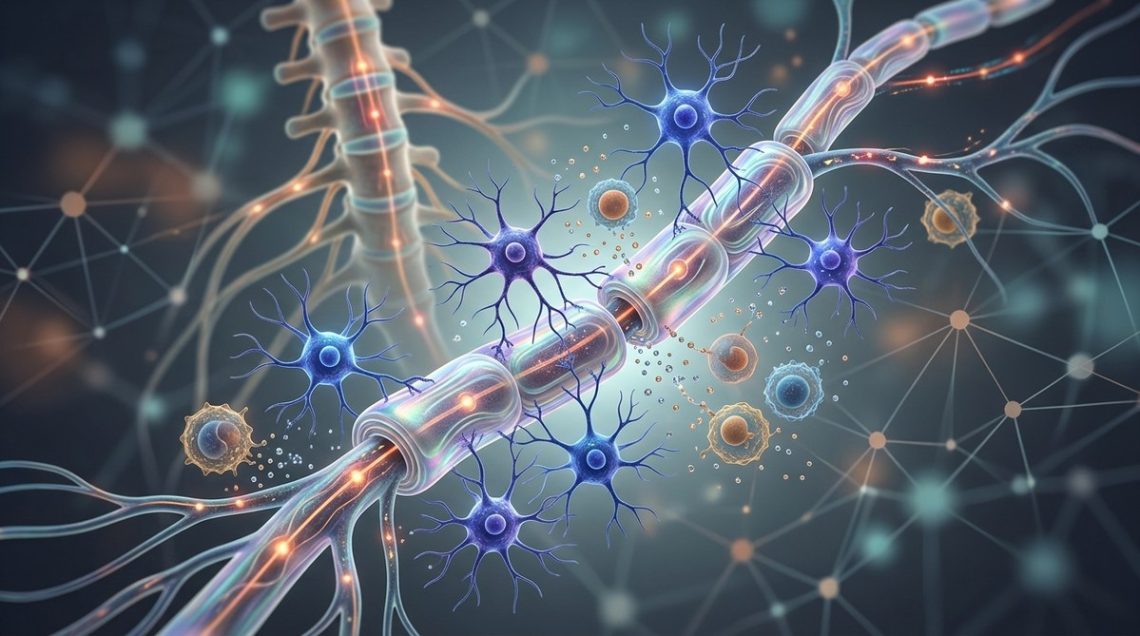
Your immune system and your nervous system are not separate. They are in constant conversation. Immune cells called glial cells live inside your spinal cord and brain. Their job is to protect your central nervous system. When they sense trouble, they release signaling proteins called cytokines.
Some cytokines are pro-inflammatory. They tell your body to fight an infection or repair damage. But when these cytokines are released continuously, they start to affect your pain nerves directly. They make your nerves more sensitive. A light touch can feel painful. A normal movement can trigger a flare-up.
This is called neuroinflammation. It is a key driver of the immune system’s role in chronic pain. And it happens without the redness or swelling you might expect.
Beyond the Obvious: Why Pain Lingers
Many people assume chronic pain means something is still broken. But research from 2026 shows that the pain may be driven by a misbehaving immune system, not a damaged tissue.
Consider a low back injury that happened years ago. The tissue healed. The X-rays look normal. But the pain remains. In many cases, immune cells have set up a permanent signaling loop with the nerves in that area. They keep sending “danger” messages to your brain, even though the danger is gone.
This explains why some people with fibroids experience pain that feels out of proportion to the size of the growth. It is not just the physical pressure. It is the immune system reacting to the fibroid tissue and amplifying the pain signal.
The Key Players in Immune-Driven Pain
Let us look at the main characters in this story.
- Microglia: These are the resident immune cells of the central nervous system. When activated, they release cytokines that make pain pathways more sensitive.
- Astrocytes: These support cells can become reactive and contribute to the inflammation that keeps pain going.
- Macrophages: These immune cells patrol your body. In chronic pain states, they accumulate near nerves and release pain-promoting chemicals.
- Cytokines (like TNF-alpha and IL-6): These are the chemical messengers. High levels of these molecules are found in people with persistent pain conditions.
| Cell Type | Normal Role | Chronic Pain Role |
|---|---|---|
| Microglia | Protect brain and spinal cord | Release cytokines that sensitize pain pathways |
| Astrocytes | Support nerve function | Become reactive and promote neuroinflammation |
| Macrophages | Fight infection | Accumulate near nerves and release pain signals |
| Cytokines | Coordinate immune response | Directly activate pain receptors on nerves |
Practical Steps to Calm Your Immune System
You cannot reset your immune system overnight. But you can take steps to reduce its overactivation. These strategies are backed by current research and can be part of a broader plan.
-
Prioritize sleep. Sleep deprivation raises levels of pro-inflammatory cytokines. Even one bad night can increase pain sensitivity. Aim for seven to nine hours of quality sleep. If pain keeps you awake, check out our guide on how to sleep better when chronic pain keeps you awake.
-
Manage stress intentionally. Chronic stress keeps your immune system in a low-grade activation state. This feeds back into pain pathways. Practices like deep breathing, gentle yoga, or even a short walk can lower stress hormones. Learn more about 5 stress management techniques that actually reduce physical pain.
-
Move your body wisely. Exercise has a powerful anti-inflammatory effect, but too much can flare up symptoms. The goal is consistent, gentle movement. Activities like swimming or walking are often well-tolerated.
-
Consider your diet. Certain foods can promote inflammation. Processed sugars, refined oils, and excessive alcohol can all contribute. On the other hand, a diet rich in colorful vegetables, healthy fats, and lean protein can support a calmer immune system. Our article on the anti-inflammatory diet for back pain offers specific guidance.
“The immune system is not just a bystander in chronic pain. It is often the driver. By targeting immune pathways, we can offer relief to patients who have been told their pain is ‘all in their head.'” Dr. Sarah Jennings, pain immunologist.
Common Mistakes People Make
Many people try to address chronic pain without considering the immune system. This can lead to frustration.
| Mistake | Why It Backfires | Better Approach |
|---|---|---|
| Taking NSAIDs long-term | Can disrupt gut health and immune balance | Use targeted anti-inflammatory strategies |
| Pushing through the pain | Activates more immune cells | Respect your limits and pace yourself |
| Ignoring sleep quality | Keeps cytokine levels high | Prioritize sleep as a treatment tool |
| Focusing only on the injury site | Misses the systemic immune component | Address whole-body inflammation |
How This Changes Your Treatment Options
Understanding the immune system chronic pain connection opens new doors for treatment. It is not just about stronger painkillers. It is about modulating the immune response.
Some promising approaches include:
- Low-dose naltrexone (LDN): This medication can calm microglia and reduce neuroinflammation. Many patients report significant pain relief.
- Omega-3 fatty acids: Found in fish oil, these can lower the production of pro-inflammatory cytokines.
- Mindfulness-based stress reduction: This practice has been shown to reduce inflammatory markers in the blood.
- Physical therapy that avoids flare-ups: A skilled therapist can help you move in ways that do not trigger your immune system. Read about 7 physical therapy techniques that actually work for chronic pain.
The Role of Central Sensitization
You may have heard the term central sensitization. It is closely related to the immune system’s role. Central sensitization happens when your spinal cord and brain become hypersensitive. Normal signals get amplified.
Immune cells in the spinal cord, particularly microglia, are major drivers of central sensitization. They release cytokines that make the pain neurons in your spinal cord fire more easily. This is why a small trigger can cause a big pain response.
Understanding this mechanism can help you make sense of your own symptoms. It is not weakness. It is a biological process. And it can be addressed. If you want to go deeper, our article on the role of central sensitization in chronic pain covers this in detail.
What This Means for Your Daily Life
Living with chronic pain is exhausting. You may have tried many things with little success. The good news is that by shifting your focus to your immune system, you may find new ways to feel better.
Start small. Pick one area to work on. Maybe it is improving your sleep. Maybe it is trying a new diet. Maybe it is exploring a medication like LDN with your doctor. Each step you take to calm your immune system can reduce the volume of your pain.
Building Your Immune-Calming Routine
Here is a simple framework to get started.
- Morning: Eat a breakfast that includes anti-inflammatory foods. Think berries, nuts, or oatmeal with turmeric.
- Midday: Take a five-minute break to breathe deeply. This lowers cortisol and reduces immune activation.
- Evening: Wind down without screens. Read a book or take a warm bath. This signals your body that it is safe to rest.
- Weekly: Include one or two sessions of gentle movement, like a yoga class or a walk in nature.
You can also explore effective lifestyle changes to manage fibroid symptoms in 2026 for more targeted advice.
Your Immune System Is Not the Enemy
It is important to remember that your immune system is trying to protect you. It is not broken. It is just stuck in a loop. With the right tools, you can help it calm down. You can reduce the noise in your pain system.
This perspective can be empowering. You are not fighting your body. You are learning to understand it. And understanding is the first step toward healing.
A New Way Forward for Chronic Pain
The immune system chronic pain connection is one of the most important discoveries in pain science. It explains why some people suffer long after an injury heals. It explains why stress and sleep affect pain so deeply. And it offers a clear path forward.
You do not have to live at the mercy of your pain. By addressing the immune drivers, you can take back control. Start with one small change today. Your body will thank you.