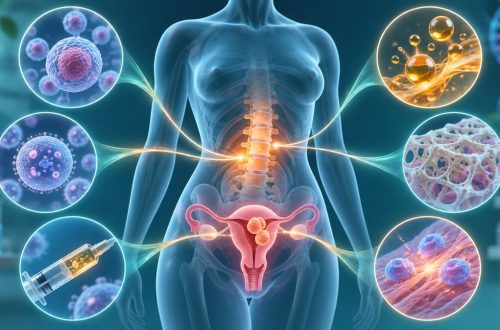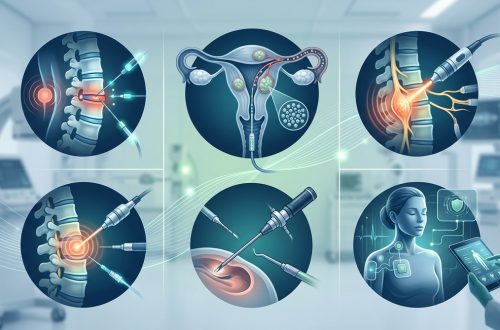
If you have been dealing with nagging back pain for months, you have probably tried a lot of things. Stretching. Ice packs. Over-the-counter pills. Maybe even a new mattress. At some point, the idea of a shot that could finally quiet the ache sounds tempting. Corticosteroid injections for back pain are a real medical procedure, but they are not a magic fix. They come with specific benefits, real risks, and a timeline that might not match what you expect. Let us walk through the full picture so you can talk to your doctor with confidence.
Corticosteroid injections work by delivering a powerful anti-inflammatory medicine directly to the painful area. They can provide relief for several weeks or months, but they are not a permanent cure. The procedure is done in a clinic, takes about 15 minutes, and carries risks like infection, nerve damage, and temporary side effects. Most patients need to combine shots with other treatments for lasting results.
How Corticosteroid Injections Actually Work
The medicine in these shots is a synthetic version of cortisol, a hormone your body already makes. When you get a corticosteroid injection for back pain, the medication goes right into the space around your spinal nerves or into a painful joint. It blocks the chemical signals that cause inflammation.
Think of inflammation like a fire alarm that will not shut off. The steroid does not fix the original problem, but it turns down the volume on the alarm. That is why the relief can feel significant at first. The swelling goes down, the pressure on nerves eases, and you can move more freely.
But here is the catch. The steroid does not heal damaged discs, arthritis, or fibroids pressing on a nerve. It just calms the inflammation around them. That is an important distinction.
What to Expect During the Procedure
Most people feel nervous before their first shot. That is normal. Here is exactly what happens so you know what is coming.
- The exam and marking. Your doctor will ask about your pain, look at your imaging scans, and press on your back to find the exact spot. They may mark the skin with a pen.
- The numbing. A small needle delivers local anesthetic to the skin. This part stings for a few seconds, similar to a bee sting. After that, the area goes numb.
- The injection. A second needle goes in deeper to deliver the steroid. You may feel pressure but usually not sharp pain. The whole injection takes less than a minute.
- The observation. You will rest for 10 to 15 minutes in the clinic. Staff will check for any immediate reactions like dizziness or bleeding.
The entire appointment is usually done in under an hour. You can drive yourself home, though having a friend along can help if you feel woozy.
Types of Steroid Injections for Back Pain
Not all shots are the same. Your doctor will choose based on where your pain lives.
| Type of Injection | Where It Goes | Best For |
|---|---|---|
| Epidural steroid injection | Into the spinal canal, outside the nerve sac | Widespread lower back pain, sciatica, herniated discs |
| Facet joint injection | Into the small joints between vertebrae | Arthritis in the spine, localized joint pain |
| Trigger point injection | Into a tight muscle knot | Muscle spasms, myofascial pain |
| Sacroiliac joint injection | Into the joint connecting the spine to the pelvis | SI joint dysfunction, pelvic pain |
Your doctor might also recommend a nerve block or a different type of injection if your pain is coming from a specific source. For a deeper look at how these procedures compare, read about how nerve blocks and injections target pain at its source.
Who Is a Good Candidate
Corticosteroid injections are not for everyone. You might be a good fit if:
- You have tried physical therapy or medication with limited success
- Your pain is tied to a specific area, not widespread
- You do not have an active infection or uncontrolled diabetes
- You are not pregnant or planning to become pregnant soon
- You have realistic expectations about short-term relief
Your doctor will also want to rule out other causes first. For example, if your back pain is linked to fibroids, you might need a different approach entirely. Learn more about the connection in our guide on fibroids and back pain.
The Real Risks You Need to Know
No procedure is risk-free. Here are the most common complications with corticosteroid injections for back pain.
- Infection. Any needle puncture can introduce bacteria. Signs include redness, warmth, or worsening pain at the site.
- Nerve damage. If the needle hits a nerve, you may feel temporary or permanent numbness, tingling, or weakness.
- Tendon weakening. Steroids can weaken nearby tendons if injected too often. This raises the risk of rupture.
- Spinal headache. A small number of patients get a headache from leakage of spinal fluid. It usually resolves on its own.
- Temporary flare. Some people feel more pain for a day or two after the shot before the steroid kicks in.
Expert advice from pain specialists: “Never get a steroid injection more than three or four times per year. Overuse can damage the cartilage and actually make your pain worse over time. Always ask your doctor about the maximum number of injections they recommend for your specific condition.”
How Long Relief Lasts
This is the part most people misunderstand. Relief from a single corticosteroid injection for back pain typically lasts between two weeks and three months. For some people, it is only a week. For others, it stretches to four months.
The relief is not permanent because the steroid does not fix the underlying problem. Once the medication wears off, inflammation can return. That is why doctors usually pair injections with other treatments.
A smart approach is to use the pain-free window to build strength. Work with a physical therapist, improve your posture, and address the root cause. Check out our 15-minute daily stretching routine for chronic pain management to get started.
Side Effects You Should Watch For
Most side effects are mild, but knowing them helps you stay alert.
- Soreness at the injection site. This is normal and usually fades in a day or two.
- Facial flushing. Some people get a red, warm face for a few hours after the shot.
- Insomnia. The steroid can make it harder to sleep the night after the procedure.
- Increased appetite. A temporary rise in hunger is common.
- Mood changes. Steroids can cause irritability or anxiety in some people.
If you notice signs of infection, severe pain, or unusual swelling, call your doctor right away.
What to Do Before Your Appointment
Preparation makes a big difference in how the procedure goes.
- Stop taking blood thinners like aspirin or ibuprofen three days before, unless your doctor says otherwise.
- Wear loose, comfortable clothing that gives easy access to your lower back.
- Eat a light meal two hours before. An empty stomach can make you dizzy.
- Write down your questions. Ask about the specific steroid being used, the dose, and the number of injections planned.
What to Avoid After the Shot
Your body needs time to settle after a corticosteroid injection. Follow these guidelines.
- Do not take a bath, swim, or soak in a hot tub for 24 hours. Showers are fine.
- Avoid heavy lifting or intense exercise for at least two days.
- Do not apply heat packs directly over the injection site for 48 hours.
- Skip alcohol for 24 hours. It can increase bleeding and slow healing.
Combining Injections with Other Treatments
A single shot is rarely the whole answer. The best results come from a layered plan.
- Physical therapy. Strengthening your core and back muscles takes pressure off your spine.
- Anti-inflammatory foods. What you eat affects your pain levels. Read about the anti-inflammatory diet for back pain to learn which foods help and which hurt.
- Better sleep habits. Poor sleep makes pain worse. Our guide on how to sleep better when chronic pain keeps you awake offers practical tips.
- Stress management. Emotional stress can amplify physical pain. Find out how in our piece on can emotional stress actually cause physical back pain.
When to Say No to the Injection
There are times when a corticosteroid injection is not the right call.
- You have an active infection anywhere in your body
- You are allergic to any component of the steroid
- You have uncontrolled high blood sugar or diabetes
- You have had a bad reaction to steroids in the past
- You are hoping for a permanent fix
If any of these apply, talk to your doctor about alternative options. There are many effective non-invasive treatments for chronic back pain and fibroids that might work better for you.
Signs the Injection Is Working
After the shot, pay attention to how you feel over the next week.
- Day 1 to 2: You may feel sore or have a flare of pain. This is normal.
- Day 3 to 5: The steroid starts working. You should notice less stiffness and easier movement.
- Day 7 to 14: Peak relief. This is when most people feel the biggest difference.
- Week 3 to 4: Relief may begin to fade. Some people get a few more weeks, others less.
Track your pain levels in a journal. That data helps your doctor decide if a repeat injection is appropriate or if you need a different strategy.
Your Next Steps
If you are still reading, you are doing the right thing. You are gathering information before making a decision. That is smart.
Corticosteroid injections for back pain can be a helpful tool, but they work best as part of a bigger plan. They are not a cure. They are a pause button that gives you time to heal, strengthen, and address the real cause of your pain.
Talk to your doctor. Ask the hard questions. And if you decide to move forward, go in with your eyes open. Know what the shot can do and what it cannot. That honesty will save you disappointment and help you build a pain management plan that actually works for the long haul.