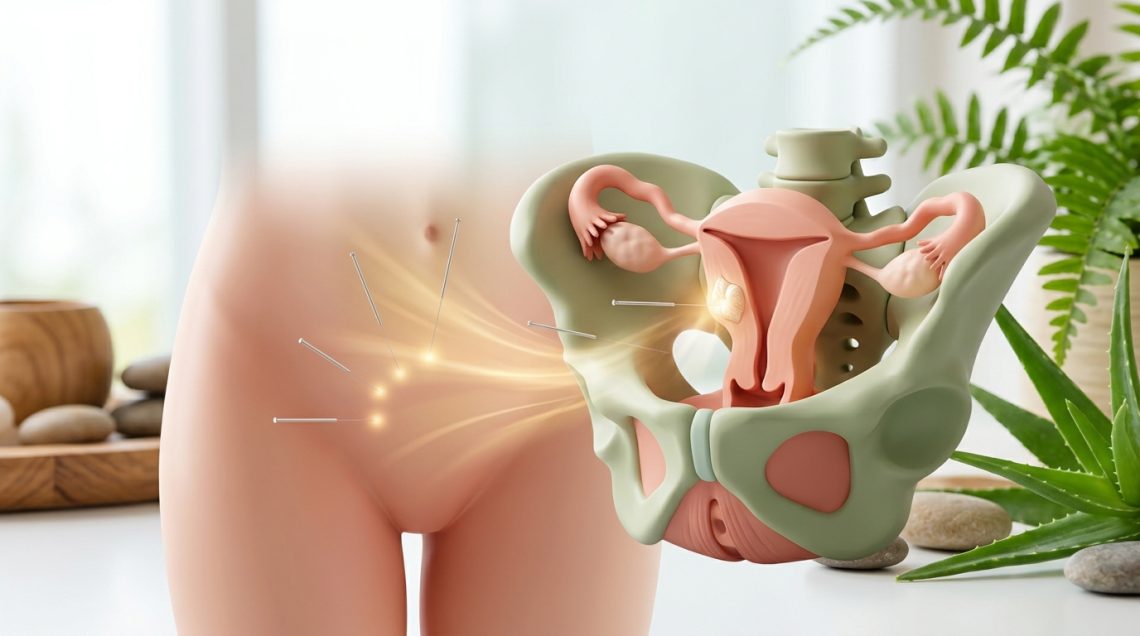
You’ve tried heating pads, pain relievers, and adjusting your schedule around your worst days. But pelvic pain from fibroids keeps showing up, disrupting your work, sleep, and daily routines. You’re not interested in surgery right now, but you need something that actually helps.
That’s where acupuncture comes in.
This ancient practice has been gaining attention in modern pain management circles, and many women report real relief from fibroid symptoms. But does the research back it up? And more importantly, could it work for you?
Acupuncture for fibroids shows promise in clinical studies for reducing pelvic pain, heavy bleeding, and fibroid size when used consistently over 8 to 12 weeks. While not a cure, this complementary therapy works by modulating pain signals, reducing inflammation, and potentially influencing hormone levels. Most women experience minimal side effects and can combine acupuncture safely with conventional treatments under proper medical supervision.
What Makes Acupuncture Different from Other Fibroid Treatments
Acupuncture doesn’t shrink fibroids the way surgery does.
It doesn’t block hormones like medications do.
Instead, it works on your body’s pain processing system. Licensed acupuncturists insert thin, sterile needles into specific points along energy pathways called meridians. According to traditional Chinese medicine, this restores balance and improves energy flow.
From a Western medical perspective, the mechanism looks different but equally interesting. Research shows that needle insertion triggers several biological responses:
- Releases endorphins and enkephalins, your body’s natural pain relievers
- Reduces inflammatory markers like prostaglandins that worsen menstrual cramping
- Modulates nerve signals traveling to your brain
- Improves blood circulation to the pelvic region
- May influence cortisol and estrogen levels
These effects matter because fibroid pain isn’t just about the tumor itself. It’s about inflammation, pressure on surrounding organs, and how your nervous system processes those signals.
What Research Actually Says About Acupuncture and Fibroid Pain
Let’s look at the evidence without the hype.
A 2020 systematic review published in Evidence-Based Complementary and Alternative Medicine analyzed 12 clinical trials involving over 1,000 women with uterine fibroids. The findings showed that acupuncture combined with conventional treatment produced better outcomes than conventional treatment alone.
Specifically, women reported:
- 40 to 60% reduction in pelvic pain intensity after 8 weeks
- Decreased menstrual blood loss and shorter periods
- Modest reductions in fibroid volume on ultrasound imaging
- Improved quality of life scores
A Chinese study from 2018 tracked 156 women who received acupuncture twice weekly for three months. Ultrasound measurements showed an average 15% decrease in fibroid size, though results varied widely based on initial fibroid size and location.
The catch? Most studies were small, and many lacked rigorous control groups.
But the safety profile remains consistently strong. Serious adverse events are extremely rare when treatment is performed by licensed practitioners.
How Acupuncture Sessions Work for Fibroid Management
Your first appointment will look different from subsequent visits.
Initial Consultation (60 to 90 minutes)
Your acupuncturist will ask detailed questions about your menstrual cycle, pain patterns, fibroid symptoms, medical history, stress levels, and lifestyle. They’ll examine your tongue and check your pulse at multiple points, both traditional diagnostic methods.
This information helps them create a treatment plan tailored to your specific pattern of symptoms.
Typical Treatment Session (45 to 60 minutes)
- You’ll lie comfortably on a padded table, usually face up or on your side
- The practitioner inserts 10 to 20 ultra-thin needles at specific points
- Common points for fibroids include areas on your abdomen, legs, feet, and hands
- Needles stay in place for 20 to 40 minutes while you rest
- Many women report feeling deeply relaxed or even falling asleep
- Needles are removed and disposed of properly
Most practitioners recommend starting with twice weekly sessions for the first month, then transitioning to weekly maintenance treatments.
“We typically see the most significant pain reduction after 8 to 12 consistent sessions. Acupuncture works cumulatively. One or two treatments rarely produce lasting change for chronic conditions like fibroids.” — Dr. Lisa Chen, Licensed Acupuncturist and Integrative Medicine Specialist
Common Treatment Points Used for Fibroid Symptoms
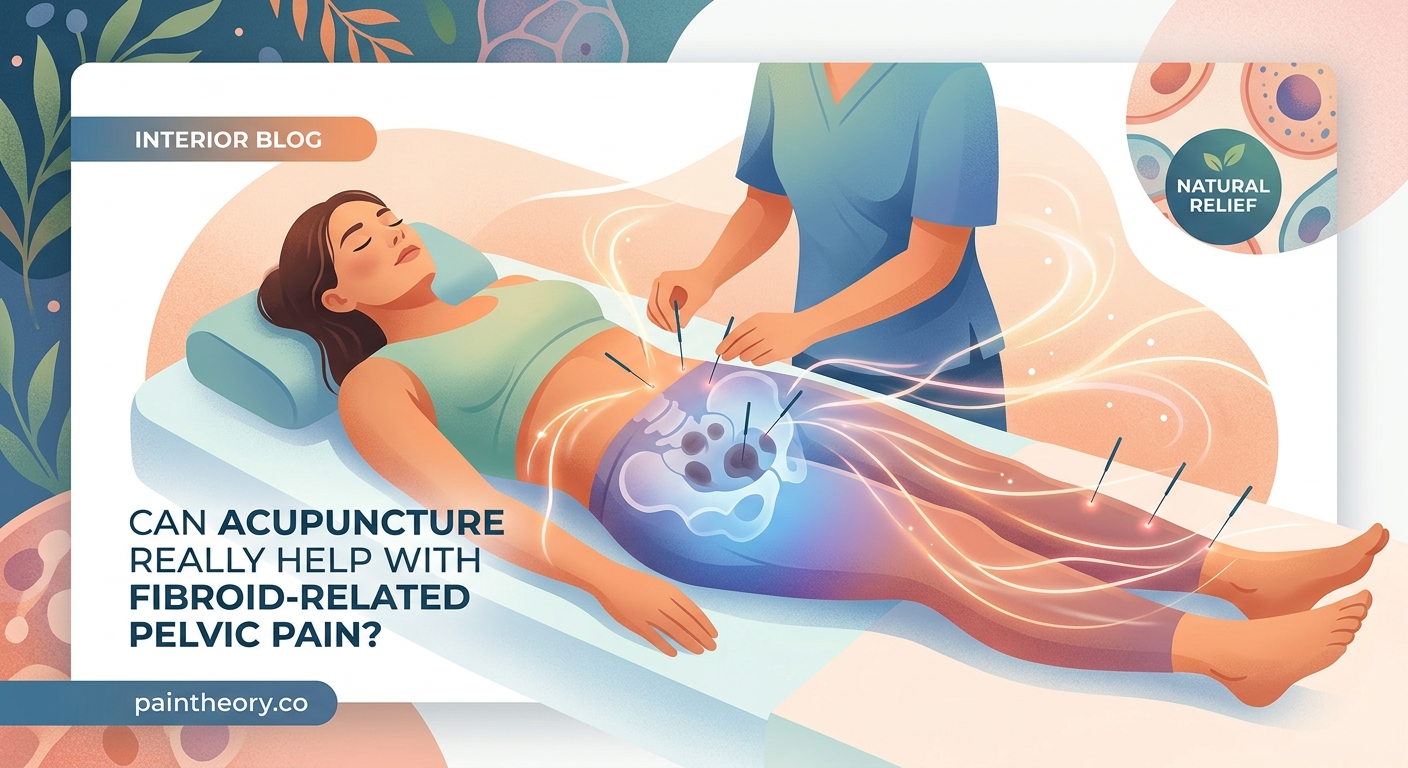
Different acupuncture points target different aspects of fibroid symptoms.
| Point Name | Location | Primary Purpose |
|---|---|---|
| CV4 (Guanyuan) | Lower abdomen, below navel | Regulates reproductive organs, reduces pelvic pain |
| CV6 (Qihai) | Lower abdomen | Strengthens qi, addresses fatigue from heavy bleeding |
| SP6 (Sanyinjiao) | Inner ankle, above bone | Regulates menstruation, reduces cramping |
| SP10 (Xuehai) | Inner thigh, above knee | Improves blood circulation, addresses heavy periods |
| LI4 (Hegu) | Hand, between thumb and index finger | General pain relief, releases tension |
| LV3 (Taichong) | Top of foot | Regulates liver qi, addresses hormone imbalance |
Your practitioner won’t use all these points in every session. They’ll select combinations based on your current symptoms and how you’re responding to treatment.
Some practitioners add electroacupuncture, where mild electrical current runs through the needles. This can enhance the pain-relieving effects for some women.
What to Expect During Your Treatment Journey
Setting realistic expectations matters.
Weeks 1 to 2: You might not notice much change in pain levels yet. Some women feel more relaxed or sleep better after sessions. Others experience temporary soreness at needle sites or mild fatigue.
Weeks 3 to 4: This is when many women start reporting changes. Menstrual cramps may feel less intense. Heavy bleeding days might decrease slightly. The constant pelvic pressure may ease.
Weeks 5 to 8: Benefits typically become more noticeable and consistent. Pain intensity often drops significantly. You might need fewer pain medications during your period.
Weeks 9 to 12: If acupuncture is going to work well for you, you’ll know by now. Some women maintain improvements with monthly sessions. Others need ongoing weekly treatments.
Not everyone responds the same way. About 30% of women see dramatic improvements, 50% notice moderate benefits, and 20% experience minimal change.
Factors that influence your response include fibroid size and location, how long you’ve had symptoms, your overall health, stress levels, and treatment consistency.
Combining Acupuncture with Other Fibroid Treatments
Acupuncture rarely works alone as a complete fibroid solution.
Most women use it as part of a broader strategy that might include:
- Hormonal medications to slow fibroid growth
- NSAIDs or other pain relievers for breakthrough symptoms
- Dietary and lifestyle changes that support hormone balance
- Heat therapy for acute pain episodes
- Physical therapy or gentle exercise
Tell your acupuncturist about all medications and supplements you’re taking. While interactions are rare, some herbs commonly used alongside acupuncture can affect blood clotting or hormone levels.
If you’re considering surgery, acupuncture can help manage symptoms while you wait for your procedure date. Some research suggests it may also support faster recovery afterward.
Potential Side Effects and Safety Considerations
Acupuncture is generally safe, but it’s not risk-free.
Common mild effects:
- Temporary soreness or bruising at needle sites
- Mild dizziness during or immediately after treatment
- Fatigue or emotional release
- Temporary increase in symptoms before improvement
Rare but serious risks:
- Infection if needles aren’t properly sterilized
- Punctured organ if needles are inserted too deeply
- Nerve damage from incorrect needle placement
These serious complications are extremely uncommon when you see a licensed, experienced practitioner who uses single-use, sterile needles.
When to avoid acupuncture:
- If you have a bleeding disorder or take blood thinners
- During active infection or fever
- If you have a pacemaker (electroacupuncture only)
- Over areas of skin infection or open wounds
Pregnant women can receive acupuncture, but certain points must be avoided as they may stimulate contractions. Always inform your practitioner if you’re pregnant or trying to conceive.
Finding the Right Acupuncture Practitioner
Credentials matter more than you might think.
Look for practitioners with:
- National certification from the NCCAOM (National Certification Commission for Acupuncture and Oriental Medicine)
- State licensure where required
- Specific experience treating gynecological conditions
- Clean, professional treatment environment
- Willingness to coordinate with your other healthcare providers
Ask potential practitioners these questions during your consultation:
- How many patients with fibroids have you treated?
- What results do your fibroid patients typically see?
- How many sessions do you recommend before evaluating progress?
- Do you use single-use, disposable needles?
- What’s your approach if I’m not seeing results after several weeks?
Red flags include practitioners who guarantee specific results, discourage you from seeing conventional doctors, or push expensive supplement packages.
Most insurance plans don’t cover acupuncture for fibroids specifically, though some cover it for chronic pain. Sessions typically cost $75 to $150 each. Ask about package rates if you’re planning ongoing treatment.
Common Mistakes Women Make with Acupuncture Treatment
Avoiding these pitfalls can improve your outcomes.
| Mistake | Why It Matters | Better Approach |
|---|---|---|
| Stopping after 2-3 sessions | Benefits build over time; early results may be subtle | Commit to at least 8 sessions before evaluating |
| Only going during your period | Acupuncture works best with consistent treatment | Maintain regular sessions throughout your cycle |
| Not tracking symptoms | Hard to measure progress without baseline data | Keep a simple pain and bleeding diary |
| Skipping conventional care | Acupuncture complements but doesn’t replace medical monitoring | Continue regular checkups and imaging |
| Choosing based on price alone | Inexperienced practitioners may be ineffective or unsafe | Prioritize credentials and experience |
The biggest mistake? Expecting acupuncture to eliminate fibroids completely.
It’s a pain management and symptom reduction tool, not a cure. Some fibroids require medical intervention regardless of complementary therapies.
How Acupuncture Fits into Your Overall Pain Strategy
Think of acupuncture as one tool in your pain management toolbox.
It works best when combined with other evidence-based approaches. Many women find that acupuncture reduces their reliance on pain medications, which matters if you’re concerned about long-term NSAID use.
The relaxation component shouldn’t be underestimated either. Chronic pain creates stress, which amplifies pain signals. Regular acupuncture sessions provide dedicated time for your nervous system to downregulate.
Some women appreciate having an active treatment option that doesn’t involve pills or procedures. The ritual of regular appointments, the quiet treatment time, and the feeling of doing something proactive can improve your mental outlook.
But acupuncture requires commitment. You need to show up consistently, often for months. You need to pay out of pocket in most cases. And you need realistic expectations about what it can and can’t do.
If your fibroids are causing severe symptoms like significant weight gain from very large tumors, extreme bleeding leading to anemia, or urinary problems from pressure, acupuncture alone won’t be enough.
When Acupuncture Might Not Be the Right Choice
Be honest about your situation.
If you’re looking for a way to avoid necessary surgery, acupuncture probably won’t deliver what you need. It can help manage symptoms, but it won’t eliminate large fibroids or reverse structural problems.
If you’re extremely needle-phobic, the anxiety might outweigh any benefits. Some practitioners offer acupressure as an alternative, though it’s generally less effective for pain relief.
If you can’t commit to regular appointments for at least two months, you likely won’t see meaningful results. Occasional sessions provide temporary relaxation but rarely create lasting symptom changes.
And if you’re in severe, acute pain right now, you need immediate medical evaluation before adding complementary therapies. Certain pain patterns require urgent attention, even if they seem fibroid-related.
Making Your Decision About Acupuncture
You don’t need to decide right now.
Start by talking with your gynecologist about whether acupuncture makes sense given your specific fibroid type, size, and location. Some doctors are supportive of complementary approaches, while others remain skeptical.
Consider trying a short trial of 8 to 10 sessions. Track your pain levels, bleeding patterns, and quality of life before starting and throughout treatment. This gives you objective data to evaluate whether it’s helping.
Many women find that even if acupuncture doesn’t dramatically shrink their fibroids, the pain relief and stress reduction make it worthwhile. Others decide the time and cost don’t justify the modest benefits they experience.
There’s no wrong answer. Your fibroid journey is personal, and what works for your coworker or sister might not work for you.
The key is making informed choices based on evidence, your specific situation, and your treatment goals.
Taking the Next Step in Managing Your Fibroid Pain
Acupuncture won’t cure your fibroids, but it might give you something equally valuable: better days with less pain.
For many women, that means fewer sick days, better sleep, more energy for activities they love, and less reliance on pain medications that come with their own side effects.
If you decide to try it, give it a real chance. Find a qualified practitioner, commit to consistent sessions, and track your progress objectively. Combine it with other healthy habits that support your overall wellbeing.
And remember that managing fibroids is rarely about finding one perfect solution. It’s about building a personalized strategy that helps you live well despite them, whether that includes acupuncture, conventional treatments, lifestyle modifications, or a combination of all three.
Your pain is real. Your desire for relief without surgery is valid. Acupuncture might be part of your answer.