You step on the scale and see a number you don’t recognize. Your clothes fit differently. You haven’t changed your diet or exercise routine, but the pounds keep adding up. If you’ve been diagnosed with uterine fibroids or suspect you might have them, you’re probably wondering whether these growths are behind your unexplained weight gain.
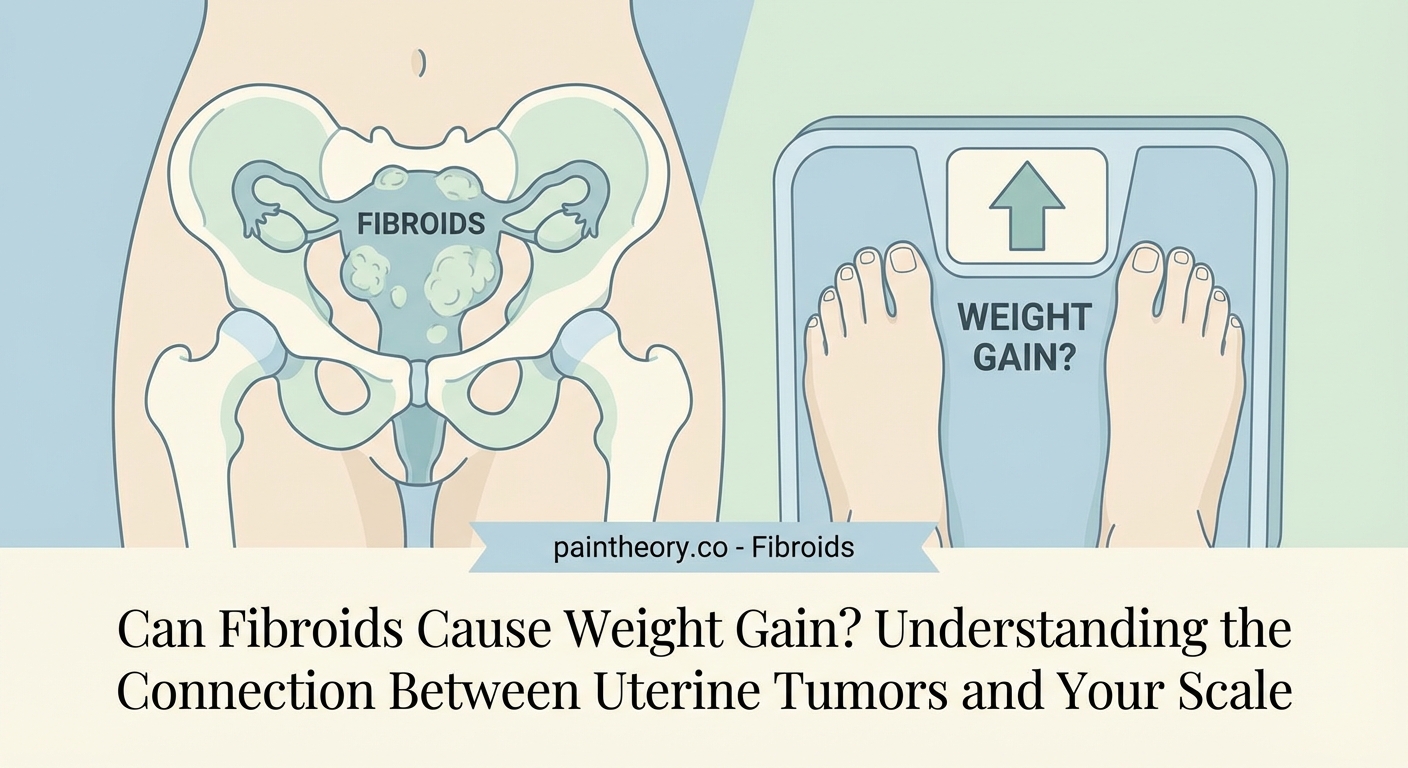
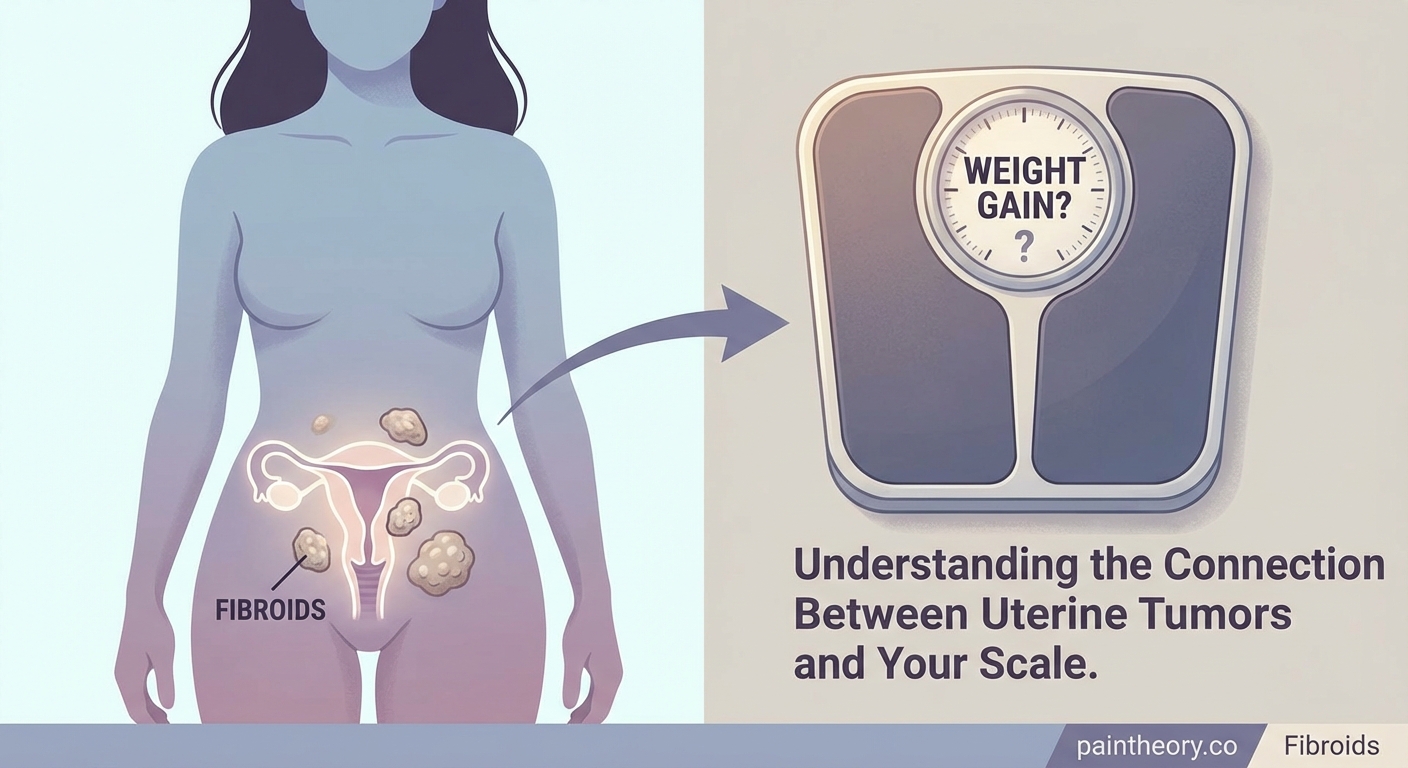
Fibroids can contribute to weight gain in two main ways: the physical weight of large fibroids themselves and bloating from fluid retention and abdominal swelling. While small fibroids typically don’t affect the scale, larger growths can add several pounds and create a noticeable belly bulge. Hormonal changes and reduced physical activity due to fibroid symptoms may also contribute to weight changes over time.
Understanding How Fibroids Affect Your Weight
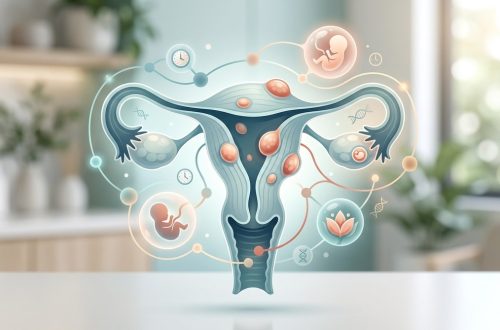
Uterine fibroids are noncancerous tumors that grow in or on the uterus. They’re incredibly common, affecting up to 80% of women by age 50. These growths range from tiny seedlings to large masses that can make your uterus expand to the size of a pregnancy.
The connection between fibroids and weight gain isn’t always straightforward. You’re dealing with multiple factors at once.
First, there’s the actual weight of the fibroids themselves. A small fibroid might weigh just a few grams. But large fibroids can weigh several pounds. Some women have had fibroids removed that weighed 20 pounds or more, though that’s rare.
Second, fibroids cause your uterus to enlarge. This expansion pushes your abdomen outward, creating a belly that looks and feels like weight gain even if the scale hasn’t moved much.
Third, fibroids often trigger bloating and fluid retention. Your body responds to these growths with inflammation, which can make you feel puffy and swollen.
The Direct Weight Impact of Fibroid Growth
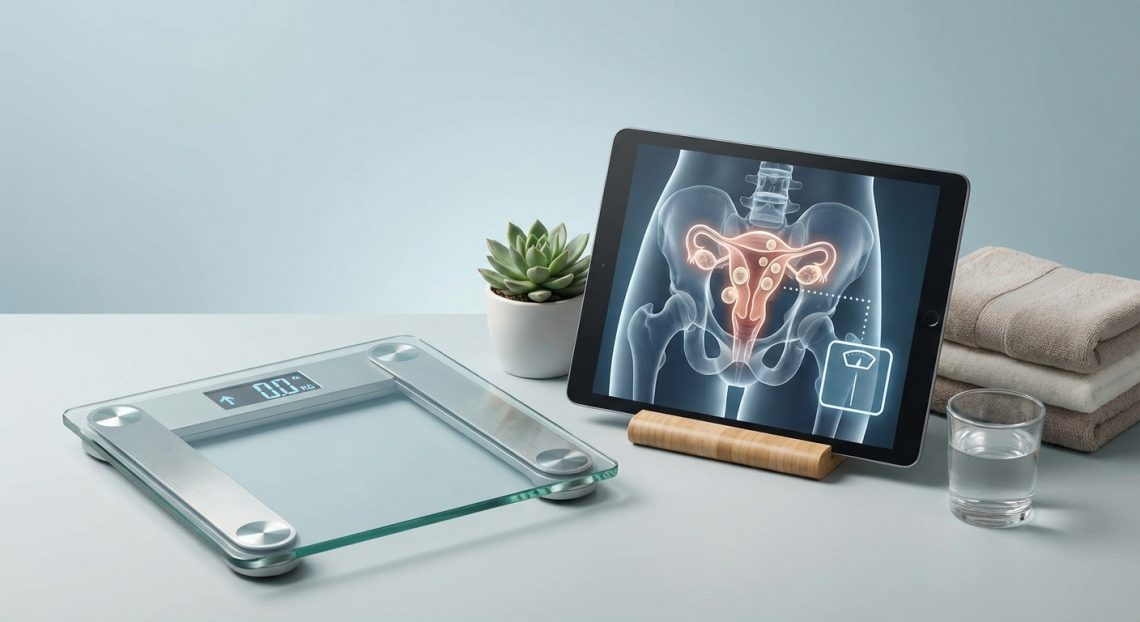
Let’s talk numbers. How much can fibroids actually weigh?
Most fibroids are small and won’t significantly affect your weight. A fibroid the size of a grape weighs less than an ounce. But as they grow, the math changes.
A fibroid the size of a grapefruit can weigh one to two pounds. Multiple fibroids together can add even more. If you have several large fibroids, you might be carrying an extra five to ten pounds without realizing it.
Here’s what makes this tricky: you can’t always tell from the outside. Two women with the same size belly might have completely different situations. One might have gained fat tissue, while the other has a uterus full of fibroids.
The enlarged uterus itself also adds weight. A normal uterus weighs about two ounces. With multiple large fibroids, your uterus can weigh several pounds.
Why Your Belly Looks Bigger Even Without Weight Gain
Many women notice their stomach getting larger before they see changes on the scale. This happens because fibroids push your uterus forward and outward.
Your abdomen has limited space. When fibroids grow, they need somewhere to go. They press against your abdominal wall, creating a visible bulge. This can make you look pregnant even when you’re not.
The bloating adds another layer. Fibroids can press on your intestines and bladder, causing gas and fluid retention. You might notice your pants feel tight by the end of the day, even if they fit fine in the morning.
Some women describe feeling “thick” around the middle. Your waist measurement increases even if your actual body fat percentage hasn’t changed.
Symptoms That Often Accompany Fibroid-Related Weight Changes
Weight gain rarely shows up alone when you have fibroids. You’ll likely notice other symptoms too:
- Heavy or prolonged menstrual bleeding that lasts more than seven days
- Pelvic pressure or fullness in your lower abdomen
- Frequent urination because fibroids press on your bladder
- Difficulty emptying your bladder completely
- Constipation when fibroids press on your rectum
- Back or leg pain from nerve compression
- Pain during sex
These symptoms often develop gradually. You might not connect them to fibroids right away. Many women assume the heavy periods are just part of getting older or that the back pain comes from poor posture.
The fatigue from heavy bleeding can make exercise feel impossible. When you’re exhausted and losing blood every month, working out becomes the last thing you want to do. This inactivity can lead to actual weight gain beyond the fibroid weight itself.
How Hormones and Fibroids Create a Weight Gain Cycle
Fibroids grow in response to estrogen and progesterone. These same hormones affect your metabolism, appetite, and where your body stores fat.
High estrogen levels, which fuel fibroid growth, also promote fat storage, especially around your midsection. This creates a frustrating cycle. The hormones that make fibroids grow also make it easier to gain weight.
Women with fibroids often experience more intense PMS symptoms. You might have stronger cravings for carbs and sweets. The bloating gets worse. Your mood swings might drive you toward comfort food.
The pain and discomfort from large fibroids can also reduce your activity level. When your pelvis hurts or you feel pressure in your abdomen, you naturally move less. Fewer steps, less exercise, and lower overall activity all contribute to gradual weight gain.
Measuring the Real Impact on Your Scale
So how do you know if your weight gain comes from fibroids or other factors? Here’s a practical approach:
- Track your symptoms alongside your weight. Note when bloating is worst, when you feel the most abdominal pressure, and how these correlate with scale changes.
- Measure your waist circumference at the same time each day. Fibroid-related swelling often fluctuates more than fat gain does.
- Pay attention to how your clothes fit in different areas. Fibroid weight typically shows up in your lower abdomen, while general weight gain distributes more evenly.
- Monitor your menstrual cycle. If bleeding gets heavier and your weight goes up during your period, fibroids might be the culprit.
- Keep a food and activity log. This helps you rule out diet and exercise changes as the primary cause.
Your doctor can measure your fibroids through ultrasound or MRI. These imaging tests show exactly how large your fibroids are and how much space they’re taking up in your uterus.
Different Types of Fibroids and Their Weight Effects
Not all fibroids affect your weight the same way. Where they grow matters as much as how large they get.
| Fibroid Type | Location | Weight Impact | Visible Belly Changes |
|---|---|---|---|
| Intramural | Within uterine wall | Moderate to high | Gradual abdominal enlargement |
| Subserosal | Outside uterus | Can be high | Often creates pronounced bulge |
| Submucosal | Inside uterine cavity | Lower | Less visible externally |
| Pedunculated | Attached by stalk | Variable | Depends on size and location |
Subserosal fibroids that grow outward can get very large without causing heavy bleeding. You might not realize you have them until your belly gets noticeably bigger.
Submucosal fibroids grow into your uterine cavity. They cause severe bleeding but might not add as much visible bulk. However, the bleeding can lead to anemia, which causes fatigue and reduces your activity level.
Multiple small fibroids can collectively weigh as much as one large fibroid. Some women have dozens of small growths scattered throughout their uterus.
What Happens to Your Weight After Fibroid Treatment
Many women wonder if they’ll lose weight once their fibroids are removed. The answer depends on several factors.
If your fibroids weighed several pounds, yes, you’ll see an immediate drop on the scale after removal. The bloating and abdominal swelling also decrease, making you look and feel slimmer.
But here’s what surprises some women: they might not lose as much weight as expected. If you gained actual body fat during the time you had fibroids, that fat doesn’t automatically disappear when the fibroids are removed.
The good news is that fibroid treatment often makes it easier to lose weight if you need to. Once the pain and heavy bleeding stop, you have more energy for exercise. Your hormones may balance out better. The constant bloating resolves.
After fibroid removal, many women report feeling lighter and more energetic, even if the scale doesn’t drop dramatically. The relief from pelvic pressure and the ability to exercise comfortably often lead to gradual, healthy weight loss over the following months.
Lifestyle Factors That Complicate the Picture
Fibroids don’t exist in a vacuum. Other aspects of your life affect your weight too.
Stress increases cortisol, which promotes belly fat storage. If you’re stressed about your fibroid symptoms, fertility concerns, or treatment decisions, that stress itself can cause weight gain.
Sleep disruption is common with fibroids. Heavy bleeding might wake you up at night to change pads. Pelvic pain can make comfortable sleep positions hard to find. Poor sleep messes with hunger hormones, making you crave more food during the day.
Age plays a role too. Most women develop fibroids during their 30s and 40s, the same decades when metabolism naturally slows down. Separating age-related weight changes from fibroid-related ones can be challenging.
Some women reduce their physical activity because of fibroid symptoms without fully realizing it. You might skip your usual walk because you’re tired. You avoid the gym during your period because of heavy bleeding. These small changes add up over time.
When to Talk to Your Doctor About Weight and Fibroids
You should schedule an appointment if you notice:
- Rapid weight gain of more than five pounds in a month without diet changes
- Your abdomen is growing but your arms and legs look the same
- You can feel a hard mass in your lower belly
- Your periods are getting progressively heavier
- You’re experiencing new pelvic pressure or pain
- Your waist size increases by more than two inches in a few months
Your doctor will likely order an ultrasound to measure your fibroids. They’ll check your blood count to see if heavy bleeding has caused anemia. They might also test your thyroid, since thyroid problems can cause both weight gain and heavy periods.
Be honest about all your symptoms. Many women downplay their heavy bleeding or assume everyone deals with the same level of discomfort. Your doctor needs the full picture to recommend the right treatment.
Treatment Options and Their Effects on Weight
Different fibroid treatments have different impacts on your weight.
Watchful waiting works if your fibroids are small and not causing major symptoms. But if they’re growing, your weight might continue to increase.
Hormonal medications can shrink fibroids temporarily. However, some of these medications cause their own weight gain as a side effect. GnRH agonists, which create a temporary menopause-like state, often lead to weight gain.
Uterine fibroid embolization blocks blood flow to fibroids, causing them to shrink. As they shrink, you lose the fibroid weight and the bloating decreases.
Myomectomy surgically removes fibroids while leaving your uterus intact. You’ll lose the weight of the fibroids immediately, and your uterus will gradually return to a more normal size.
Hysterectomy removes your entire uterus. This eliminates all fibroid weight at once. However, some women gain weight after hysterectomy due to hormonal changes or reduced activity during recovery.
Preventing Additional Weight Gain While Living With Fibroids
Even if you can’t immediately treat your fibroids, you can take steps to prevent additional weight gain.
Focus on anti-inflammatory foods. Fibroids create inflammation in your body, and inflammatory foods make it worse. Eat plenty of vegetables, fruits, whole grains, and lean proteins. Limit processed foods, sugar, and red meat.
Stay as active as your symptoms allow. Walking is often manageable even when you don’t feel up to intense exercise. Movement helps reduce bloating and maintains your metabolism.
Manage your iron levels. Heavy bleeding depletes iron, causing fatigue that makes exercise harder. Talk to your doctor about iron supplements if your periods are heavy.
Track your menstrual cycle and plan accordingly. If you know your heaviest days, you can adjust your schedule to rest more during that time and be more active during lighter days.
Consider wearing period underwear or using menstrual cups if heavy bleeding keeps you from activities. Better period management can help you maintain a more normal routine.
The Emotional Side of Fibroid-Related Weight Changes
Watching your body change without understanding why can be emotionally difficult. Many women feel frustrated, confused, or even ashamed about weight gain they can’t control.
You might avoid social situations because your clothes don’t fit. You might feel self-conscious about your belly. Friends or family might make comments about your weight, not knowing you’re dealing with a medical condition.
This emotional stress can lead to emotional eating, creating more weight gain. It’s a tough cycle to break.
Remember that fibroid-related weight changes aren’t a reflection of your willpower or discipline. You’re dealing with a medical condition that affects your body in multiple ways.
Finding support helps. Online communities for women with fibroids can provide understanding and practical tips. A therapist who specializes in chronic health conditions can help you process the emotional aspects.
Making Sense of Your Symptoms and Next Steps
Fibroids can absolutely contribute to weight gain, both through their physical weight and through the cascade of symptoms they trigger. Large fibroids add pounds directly. The bloating and swelling make you look and feel heavier. The fatigue, pain, and hormonal effects can lead to additional weight gain over time.
But here’s the important part: you don’t have to just accept this. Effective treatments exist, and understanding what’s happening in your body is the first step toward feeling better. If you suspect fibroids are behind your weight changes, talk to your doctor. Get imaging done. Find out exactly what you’re dealing with.
Your weight gain isn’t just about willpower or diet. It’s a legitimate symptom of a medical condition that affects millions of women. Once you address the fibroids, you’ll likely find it much easier to manage your weight and feel comfortable in your body again.