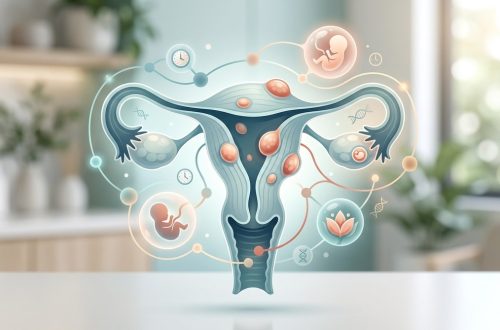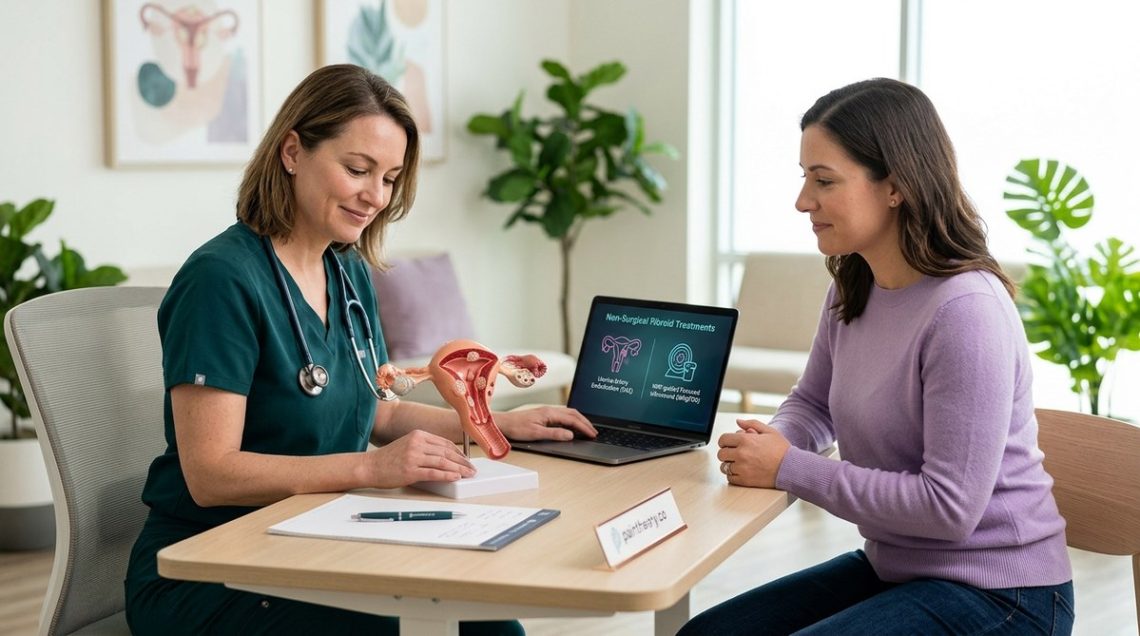
Women diagnosed with uterine fibroids often seek safe, effective alternatives to surgery. Many women want relief without invasive procedures and worry about recovery time and potential complications. Fortunately, there are a variety of non-surgical treatments that can reduce symptoms and improve quality of life. Understanding these options helps women make informed decisions and explore treatments that align with their health goals.
How non-surgical treatments can help with uterine fibroids
Non-surgical approaches target fibroids to shrink them or alleviate symptoms like heavy bleeding, pelvic pain, and pressure. The goal is to provide relief while avoiding the risks and downtime associated with surgery. These treatments are especially appealing for women who want to preserve fertility or prefer minimally invasive options.
Common non-surgical treatments for uterine fibroids
There are several proven non-surgical techniques, each suited to different needs and fibroid types. Here’s a look at the most widely used options:
- Uterine fibroid embolization (UFE)
- Focused ultrasound therapy
- Medications such as hormonal suppressants
- Endometrial ablation
1. Uterine fibroid embolization (UFE)
UFE is a minimally invasive procedure performed by interventional radiologists. It involves blocking blood flow to fibroids, causing them to shrink over time. It can significantly reduce bleeding and pelvic pressure. Many women return home the same day and resume normal activities within days.
2. Focused ultrasound therapy
This technique uses high-intensity sound waves to target fibroids precisely. It’s a non-invasive process that destroys fibroid tissue without cuts or incisions. Focused ultrasound is best suited for women with smaller fibroids and those who want to avoid surgery altogether.
3. Medications
Hormonal therapies can help control symptoms and reduce fibroid size temporarily. Gonadotropin-releasing hormone (GnRH) agonists are often used to shrink fibroids before surgery or as a short-term treatment. Other medications include nonsteroidal anti-inflammatory drugs (NSAIDs) and hormonal contraceptives, which manage pain and bleeding.
4. Endometrial ablation
This minimally invasive procedure destroys the uterine lining to reduce heavy bleeding caused by fibroids. It is not a fibroid removal technique but can greatly improve bleeding symptoms, especially in women not planning to conceive.
The step-by-step process for choosing a non-surgical approach
Deciding on the best treatment involves several steps:
- Consult a specialist: Talk with a gynecologist or interventional radiologist experienced in fibroid management.
- Get a thorough evaluation: Imaging tests like ultrasound or MRI assess fibroid size, location, and number.
- Discuss your goals: Fertility preservation, symptom relief, and recovery time are important factors.
- Review your options: Weigh the benefits and risks of each treatment, including potential side effects.
- Make an informed decision: Choose the approach that aligns best with your health and lifestyle.
Scanning the non-surgical options at a glance
Here’s a quick overview of techniques, what they do well, and common mistakes to avoid:
| Technique | What it Does Well | Common Mistakes |
|---|---|---|
| UFE | Shrinks fibroids, reduces bleeding | Not suitable for women wanting future pregnancies |
| Focused ultrasound | Non-invasive, quick recovery | Limited to smaller fibroids, needs specific fibroid location |
| Hormonal medications | Temporarily reduces symptoms | Not a permanent fix, may cause side effects |
| Endometrial ablation | Improves heavy bleeding | Doesn’t reduce fibroid size, not for women who want kids |
“Choosing the right non-surgical treatment depends on your fibroid characteristics and personal health goals. A specialist can help tailor the best plan for you.”
Benefits of non-surgical fibroid treatments
- Lower risk compared to open surgery
- Reduced recovery time—most women return to normal activities within days
- Preservation of fertility in many cases
- Effective symptom relief for many women
- Less scarring and discomfort during and after treatment
Limitations and considerations
While non-surgical options are effective for many women, they are not suitable for all cases. Large or very numerous fibroids may require surgical removal. Also, some treatments might offer temporary relief, and fibroids can sometimes regrow.
Potential pitfalls include:
- Choosing a treatment without considering future pregnancy plans
- Underestimating the importance of fibroid location
- Relying solely on medications for long-term management
Techniques and common mistakes table
| Technique | Mistake to avoid |
|---|---|
| UFE | Overlooking the impact on fertility |
| Focused ultrasound | Assuming all fibroids are treatable this way |
| Hormonal medications | Using as a sole long-term solution without medical guidance |
| Endometrial ablation | Expecting it to shrink fibroids, which it does not |
Expert advice on non-surgical fibroid management
“Non-surgical treatments can be highly effective, but they require careful patient selection. Consulting with a specialist ensures you choose the safest and most appropriate option for your unique situation.”
Final thoughts on managing fibroids naturally
Women seeking alternatives to surgery now have many options that can reduce symptoms and improve comfort. It’s essential to work closely with healthcare professionals who understand your goals and medical history. With the right approach, you can regain control over your health without invasive procedures.
Taking action towards relief
If you’re exploring non-surgical treatments for uterine fibroids, start by scheduling a thorough evaluation with a qualified specialist. Ask about the latest techniques and how they might fit your lifestyle. Remember, every woman’s journey is different, and personalized care makes all the difference.
Staying informed and empowered
Understanding your options helps you make confident choices. Keep learning about new treatments and speak openly with your healthcare provider. Your comfort and well-being are worth it.
A gentle call to prioritize your health
Many women find relief through non-surgical approaches that suit their needs. Take the first step today by reaching out to a trusted provider. Relief is possible without going under the knife, and you deserve to live your life free from fibroid discomfort.