Living with the dual discomfort of uterine fibroids and chronic back pain can feel like a constant uphill battle. You might be dealing with heavy periods, pelvic pressure, and a lower back that aches whether you are standing, sitting, or lying down. These two conditions are often linked by a common thread: inflammation. The same inflammatory processes that can encourage fibroid growth and trigger uterine cramping can also inflame the nerves and joints in your lower spine. The good news is that your diet is one of the most powerful tools you have to calm this fire. By building a personalized anti-inflammatory meal plan, you can address both fibroid symptoms and back pain at the same time.
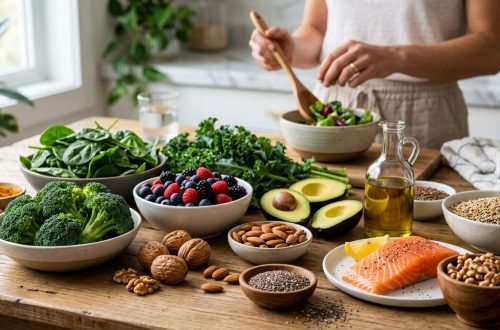
An anti-inflammatory meal plan for fibroids and back pain focuses on whole, nutrient-dense foods that reduce systemic inflammation. Prioritize leafy greens, colorful vegetables, fatty fish, berries, and healthy fats like olive oil. Avoid processed foods, refined sugar, and red meat. This approach helps balance hormones, reduce uterine inflammation, and ease nerve irritation in the back. Consistency matters more than perfection.
Why Your Diet Matters for Both Fibroids and Back Pain
Inflammation is your body’s natural response to injury or irritation, but when it becomes chronic, it fuels pain everywhere. For fibroids, inflammation can stimulate estrogen receptors and encourage growth. For your back, inflammatory chemicals called cytokines can make nerve endings hypersensitive, turning a minor muscle ache into a persistent throb. A diet that lowers overall inflammation helps both issues at once. This is not about a strict diet. It is about making choices that support your body’s healing systems.
The Core Principles of an Anti-Inflammatory Meal Plan
Before we look at specific foods, let us set the foundation. These are the rules you will follow to build every meal.
- Balance your blood sugar. Spikes in blood sugar trigger insulin surges, which promote inflammation. Pair carbohydrates with protein and fat at every meal. For example, eat an apple with almond butter instead of alone.
- Eat the rainbow. Different colored plant foods contain different antioxidants. Aim for at least five servings of vegetables and fruits each day, with an emphasis on leafy greens, berries, and cruciferous vegetables like broccoli.
- Prioritize omega-3 fatty acids. These healthy fats are powerful inflammation fighters. You get them from fatty fish, walnuts, flaxseeds, and chia seeds. Most Americans eat too many omega-6 fats (found in vegetable oils and processed foods), which can promote inflammation. Work to shift that balance.
- Choose fiber at every meal. Fiber helps your body eliminate excess estrogen, which can fuel fibroids. It also feeds your gut bacteria, which produce anti-inflammatory compounds. Good sources include oats, beans, lentils, vegetables, and whole fruits.
- Hydrate strategically. Water helps flush waste products and reduces fluid retention. Drink water throughout the day. Herbal teas like ginger or turmeric tea also offer anti-inflammatory benefits.
Foods to Eat and Foods to Limit
This table gives you a clear picture of what belongs on your plate and what to leave behind.
| Eat These (Anti-Inflammatory) | Limit or Avoid These (Pro-Inflammatory) |
|---|---|
| Leafy greens (spinach, kale, Swiss chard) | Processed meats (bacon, sausage, deli meats) |
| Berries (blueberries, strawberries, raspberries) | Refined sugar (soda, candy, pastries) |
| Fatty fish (salmon, mackerel, sardines) | Red meat (beef, lamb, pork) |
| Extra virgin olive oil | Vegetable oils high in omega-6 (corn, soybean, sunflower) |
| Cruciferous vegetables (broccoli, cauliflower, Brussels sprouts) | White bread and refined grains |
| Turmeric and ginger | Alcohol, especially beer and sugary cocktails |
| Green tea | Trans fats (fried foods, margarine) |
| Legumes (lentils, chickpeas, black beans) | Dairy (for some women, dairy can increase inflammation) |
| Nuts and seeds (walnuts, almonds, chia seeds) | Artificial sweeteners and additives |
Expert advice from a registered dietitian: “The single most impactful change you can make is to cut out added sugar for two weeks. Many women see a noticeable reduction in pelvic pain and lower back stiffness within that time. Sugar directly feeds inflammation. Remove it, and your body will thank you.”
How to Build Your Plate: A Simple Method
You do not need a complicated recipe book. Use this method to build every meal.
- Fill half your plate with non-starchy vegetables (leafy greens, bell peppers, zucchini).
- Fill one quarter with a lean protein source (grilled salmon, baked tofu, lentils).
- Fill the remaining quarter with a complex carbohydrate (quinoa, sweet potato, brown rice).
- Add a tablespoon of healthy fat (olive oil drizzle, avocado slices, a handful of walnuts).
- Season with anti-inflammatory herbs and spices (turmeric, ginger, garlic, oregano).
A Sample Day on the Anti-Inflammatory Meal Plan
This is not a rigid prescription. Use it as inspiration to see how the principles come together.
Breakfast
A smoothie made with unsweetened almond milk, one cup of spinach, half a cup of frozen blueberries, one tablespoon of chia seeds, and a scoop of unsweetened protein powder.
Morning Snack
A small apple with one tablespoon of almond butter.
Lunch
A large salad with mixed greens, cherry tomatoes, cucumber, shredded carrots, chickpeas, and grilled salmon. Dressed with extra virgin olive oil and lemon juice.
Afternoon Snack
A handful of walnuts and a cup of green tea.
Dinner
Baked cod with turmeric and garlic, served with roasted broccoli and a side of quinoa.
Evening Drink
A mug of ginger tea (fresh grated ginger root steeped in hot water).
Common Mistakes That Sabotage Your Progress
Even with good intentions, it is easy to slip into habits that undermine your anti-inflammatory goals. Watch out for these pitfalls.
- Relying on “healthy” packaged foods. Many granola bars, gluten-free crackers, and veggie chips are still high in sugar and refined oils. Read labels.
- Drinking your calories. Sugary coffee drinks, fruit juices, and soda are major sources of inflammation. Stick to water, unsweetened tea, and black coffee.
- Skipping protein at breakfast. A carb-heavy breakfast (cereal, toast, pastries) will spike your blood sugar and set you up for cravings all day.
- Ignoring portion sizes of healthy fats. Nuts, avocado, and olive oil are great, but they are calorie dense. A handful of nuts is a serving, not a bowl.
- Not eating enough fiber. If you cut out processed foods but do not replace them with vegetables and legumes, you might end up hungry and constipated, which can worsen back pain.
How to Stay Consistent When Pain Limits Your Energy
Chronic pain can make cooking feel impossible. On your worst days, use these strategies.
- Batch cook on good days. Spend one hour on a Sunday roasting vegetables, cooking a pot of lentils, and grilling several portions of fish.
- Keep frozen vegetables on hand. Frozen spinach, broccoli, and berries are just as nutritious as fresh and last much longer.
- Use a slow cooker. Throw in chicken, sweet potatoes, and spices in the morning. By dinner, you have a complete meal with minimal effort.
- Buy pre-washed greens and pre-cut vegetables. The extra cost is worth it if it means you eat a salad instead of ordering takeout.
- Accept help. Ask a partner or friend to chop vegetables or wash dishes. You do not have to do it all alone.
For more practical tips on managing meals when your energy is low, read our guide on meal planning made easy when pain limits your energy for cooking.
Your First Week Action Plan
Starting a new way of eating does not have to be overwhelming. Follow these steps to get started.
- Clean out your pantry. Remove or donate processed snacks, sugary cereals, and bottles of vegetable oil. Out of sight, out of mind.
- Go grocery shopping with a list. Focus on the “Eat These” column from the table above. Buy enough for three or four days.
- Cook one new recipe. Try the sample dinner from this plan. See how it makes you feel.
- Swap one drink. Replace your afternoon soda or latte with green tea or water.
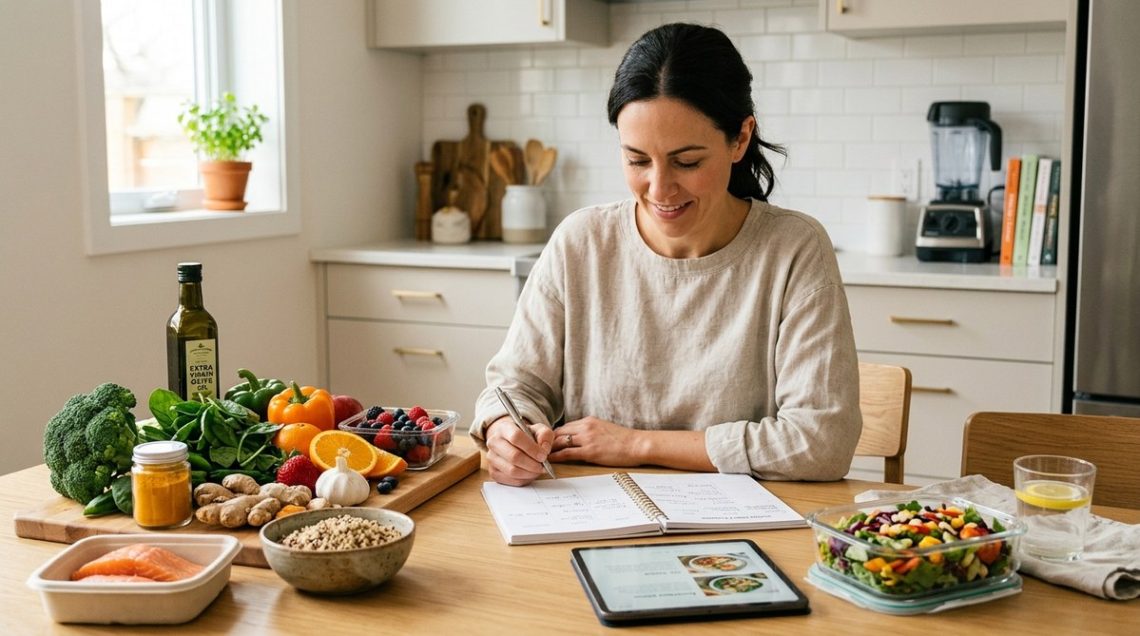
- Track your symptoms. Keep a simple journal. Note your pain level each morning and evening. Many women notice changes in three to five days.
Putting It All Together for Long-Term Relief
An anti-inflammatory meal plan is not a short term fix. It is a sustainable way to eat that supports your body every single day. By focusing on whole foods, healthy fats, and plenty of vegetables, you directly reduce the inflammation that drives both fibroid symptoms and back pain. This approach works alongside other treatments. It can make your medications more effective, your physical therapy more productive, and your daily life more comfortable.
You have the power to change how you feel, starting with your next meal. Begin with one breakfast, one lunch, or one dinner. Let your body notice the difference. Over time, these small choices add up to real, lasting relief.