You want relief from chronic back pain and fibroid symptoms without the risks of surgery or invasive procedures. Fortunately, many effective, scientifically-supported non-invasive options can help you manage these conditions safely. Whether it’s gentle therapies, innovative technologies, or lifestyle adjustments, you can find approaches that work naturally, reduce discomfort, and improve your quality of life.
Many non-invasive treatments for chronic back pain and fibroids provide safe, effective symptom relief. These options often involve innovative technology, targeted therapies, and lifestyle changes, allowing you to avoid surgery while improving your well-being.
Understanding Your Options for Non-Invasive Relief
Chronic back pain and fibroids are common conditions that can disrupt daily life. In the past, surgery was often the go-to solution, but today many treatments avoid incisions and hospital stays. Modern medicine offers a range of non-invasive therapies that are backed by research and tailored to your needs. These approaches focus on reducing inflammation, calming nerves, shrinking fibroids, and restoring function, all without the risks associated with surgical procedures.
Non-Invasive Treatments for Chronic Back Pain
Back pain can stem from various sources—muscle strain, nerve irritation, or joint degeneration. Non-invasive treatments aim to target the root cause with gentle, often outpatient procedures or therapies. Here are some of the most effective options:
1. Physical Therapy and Movement-Based Therapies
Physical therapy focuses on strengthening muscles, improving flexibility, and correcting posture. Customized exercises can often reduce pain significantly over time. Techniques like manual therapy, stretching, and core stabilization can restore normal function and prevent future issues.
2. Spinal Injections and Nerve Blocks
Targeted injections deliver anti-inflammatory medication directly to painful nerves or joints. These procedures provide relief without surgery and can be repeated if needed. They are especially helpful for nerve-related pain or inflammation that does not respond to conservative measures.
3. Regenerative Medicine Approaches
Innovations like platelet-rich plasma (PRP) therapy and stem cell treatments are gaining traction. These therapies aim to stimulate natural healing by promoting tissue repair. Though still under study, many patients experience reduced pain and improved function with these options.
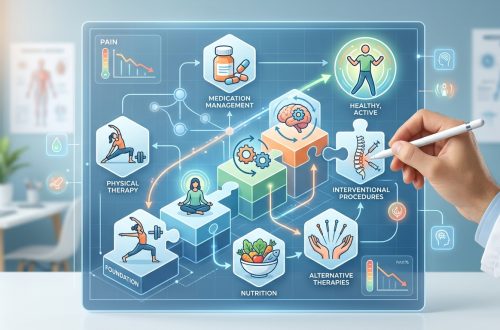
Practical Process for Non-Invasive Back Pain Management:
- Consult a specialist to identify the pain source.
- Explore personalized therapies like physical therapy or injections.
- Incorporate lifestyle changes such as ergonomic adjustments and regular exercise.
Techniques and Mistakes Table
| Technique | Common Mistake |
|---|---|
| Physical therapy tailored to your needs | Skipping sessions or not following exercises |
| Targeted spinal injections | Relying solely on injections without lifestyle changes |
| Regenerative therapies | Expecting immediate results; patience is key |
“Non-invasive therapies can be highly effective when combined with proper diagnostics and ongoing care,” advises Dr. Jane Smith, a pain management specialist.
Managing Fibroids Without Surgery
Fibroids are benign tumors that can cause heavy bleeding, pelvic pain, and pressure symptoms. Surgery used to be the primary approach, but today many women opt for non-invasive or minimally invasive options that avoid hospital stays and recovery times.
1. Uterine Fibroid Embolization (UFE)
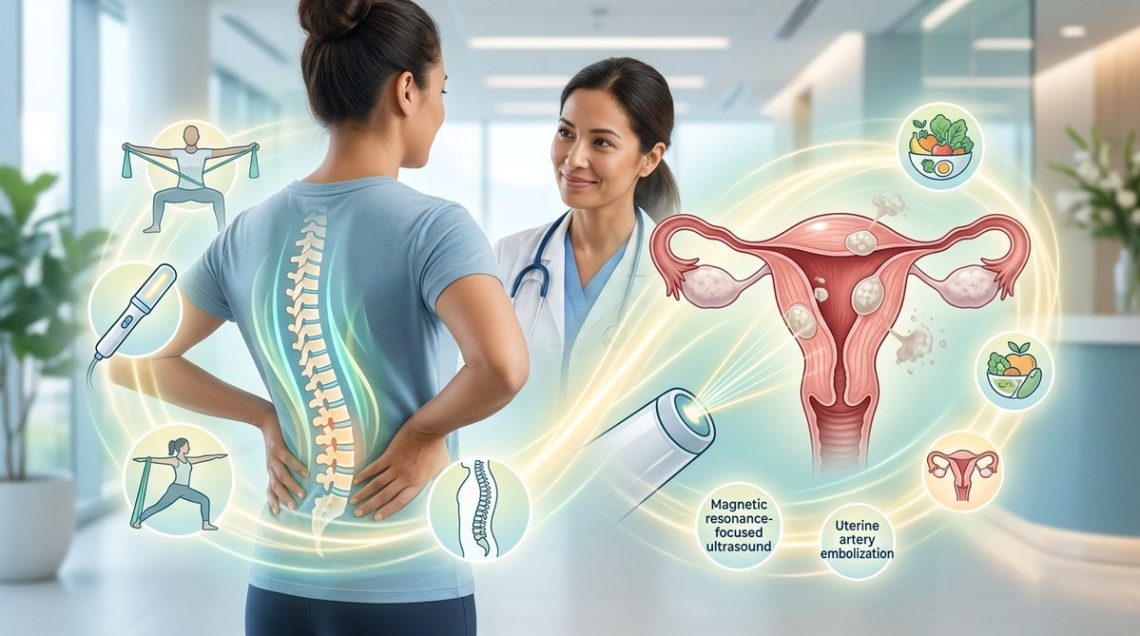
UFE is a minimally invasive procedure that blocks blood flow to fibroids, causing them to shrink. It’s performed through a small catheter inserted into the groin, making it an outpatient procedure with minimal downtime. Many women experience significant symptom relief after UFE.
2. MRI-Guided Focused Ultrasound
This technology uses high-intensity ultrasound waves to target and destroy fibroid tissue precisely. It’s a non-invasive alternative suitable for women with certain fibroid types. Recovery is quick, and it’s often done in a single outpatient session.
3. Medical Therapies and Hormonal Treatments
Hormonal medications and IUDs like the levonorgestrel-releasing system can reduce fibroid size and bleeding. These options are non-invasive and can be used as interim measures or long-term solutions depending on your situation.
How to Choose the Best Non-Invasive Solution:
- Consider the size, location, and symptoms of your fibroids.
- Discuss with your healthcare provider whether embolization or ultrasound is suitable.
- Weigh the benefits and possible side effects of hormonal therapies.
Technique Comparison Table
| Technique | Mistakes to Avoid |
|---|---|
| Uterine fibroid embolization | Not considering fibroid location or size |
| Focused ultrasound ablation | Delaying treatment or choosing inappropriate candidates |
| Hormonal therapy | Relying solely on medications without monitoring response |
Practical Steps to Take Control
If you’re considering non-invasive management, here are some practical steps:
- Schedule a comprehensive evaluation with a specialist who understands your unique needs.
- Learn about the latest minimally invasive procedures like UFE and focused ultrasound.
- Maintain a healthy lifestyle through diet, exercise, and stress management to support treatment outcomes.
Common Mistakes in Non-Invasive Treatments
- Relying only on medications without lifestyle adjustments.
- Delaying consultation until symptoms worsen.
- Not discussing all available options with your provider.
- Overestimating the immediate impact of therapies without patience.
Expert Advice on Non-Invasive Pain and Fibroid Management
“The key to successful non-invasive treatment is a personalized approach. Combining the right therapies with lifestyle changes can lead to long-lasting relief,” emphasizes Dr. Lisa Johnson, a gynecologist specializing in fibroid care.
Bridging the Gap Between Relief and Confidence
Choosing the right non-invasive treatments involves understanding your specific condition, options, and goals. Modern medical advances make it possible to manage chronic back pain and fibroids safely and effectively, often with fewer risks and less downtime. Focus on working with healthcare providers who prioritize your comfort and well-being.
Your Next Step Toward Better Health
By staying informed and proactive, you can find relief that aligns with your lifestyle. Non-invasive treatments are continuously improving, giving you more options to control your symptoms without surgery. Talk to a specialist to explore which therapies might be a good fit for you and take charge of your health today.