You are not imagining things. That bone deep tiredness that makes it hard to get through the afternoon, the shortness of breath when you climb a flight of stairs, the way your brain feels foggy by 2 PM. If you are a woman in your 30s or 40s with heavy periods, this exhaustion might not be about poor sleep or a busy schedule. It could be a sign that your body is losing more iron than it can replace.
Uterine fibroids often cause heavy menstrual bleeding, which slowly depletes your body’s iron stores. This leads to iron deficiency anemia, a condition that directly causes chronic fatigue, weakness, and brain fog. Recognizing the link between fibroids and anemia fatigue is the first step toward getting the right diagnosis and treatment for lasting energy.
The Hidden Connection Between Your Uterus and Your Energy
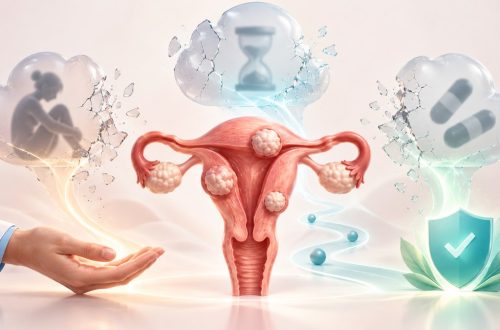
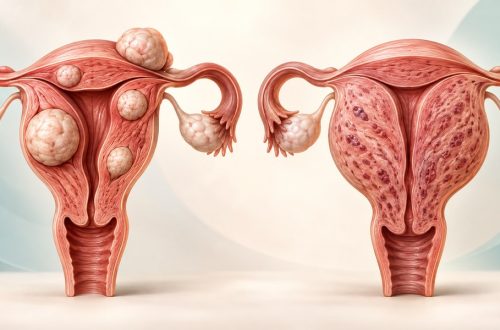
Uterine fibroids are noncancerous growths in the wall of the uterus. They are incredibly common. By age 50, up to 70 percent of women have at least one. For many women, they cause no symptoms at all. But for others, especially those with larger fibroids or fibroids located near the uterine lining, they can cause periods that are much heavier than normal.
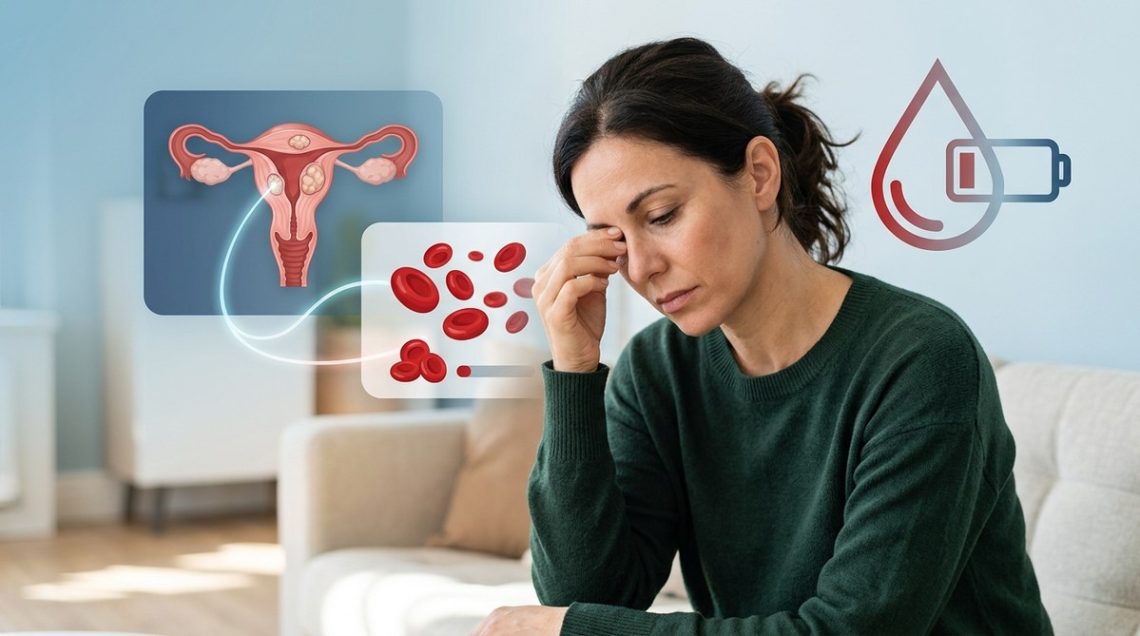
This is where the trouble starts. When your menstrual blood loss is excessive, your body loses iron. Iron is the key ingredient your blood needs to make hemoglobin, the protein that carries oxygen to every cell in your body. Without enough iron, your blood cannot deliver oxygen efficiently. Your heart has to work harder, your muscles get less fuel, and your brain slows down. That is the direct mechanism behind fibroids and anemia fatigue.
How Heavy Bleeding Drains Your Iron Reserves
A normal menstrual period results in about 30 to 40 milliliters of blood loss. Women with fibroids can lose 80 milliliters or more each cycle. That is double or triple the normal amount. Over several months, this repeated blood loss can exhaust your body’s iron stores.
You might not notice it at first. The body stores iron in the liver, spleen, and bone marrow, and it draws on those reserves when dietary iron is low. But once those stores are gone, your red blood cell production drops. That is when the fatigue hits hard.
Here are the most common signs that your heavy periods have led to anemia:
- Persistent tiredness that does not improve after a good night’s sleep
- Pale skin, especially noticeable on your inner eyelids and gums
- Shortness of breath during normal activities like walking or light housework
- Dizziness or feeling lightheaded when you stand up
- Cold hands and feet even in warm weather
- Cravings for nonfood items like ice, clay, or starch (a condition called pica)
- Rapid heartbeat or heart palpitations
- Difficulty concentrating or remembering things
If you recognize several of these symptoms, it is worth talking to your healthcare provider about your iron levels.
The Vicious Cycle of Fibroids and Anemia Fatigue
What makes this situation tricky is that fibroids and anemia fatigue feed into each other. The more blood you lose, the more anemic you become. The more anemic you become, the weaker and more fatigued you feel. That fatigue can make it harder to exercise, cook nourishing meals, or manage stress, all of which can make your fibroid symptoms worse.
| Factor | How It Affects Your Body | What You Can Do |
|---|---|---|
| Heavy bleeding from fibroids | Depletes iron stores | Track your period volume; note if bleeding lasts more than 7 days or fills a super tampon in under 2 hours |
| Low iron levels | Reduces oxygen delivery to muscles and brain | Ask your doctor for a complete blood count and ferritin test |
| Chronic fatigue | Limits your ability to eat well and move | Focus on small, consistent habits rather than big overhauls |
| Worsened fibroid symptoms | Can increase inflammation and bleeding | Consider anti inflammatory foods and stress reduction |
“Many women I see are told their fatigue is just stress or lack of sleep. But when we run a simple blood test, we find their ferritin levels are dangerously low. Treating the anemia often resolves the fatigue faster than anything else.” Dr. Sarah Klein, OB GYN
What to Do If You Suspect Fibroids and Anemia Fatigue
You do not have to live with this exhaustion. Here is a practical process to get clarity and start feeling better.
-
Track your symptoms for one full cycle. Write down how many days you bleed, how heavy the flow is, and how you feel physically each day. This record is powerful when you talk to a doctor.
-
Request specific lab tests. Do not just ask for a general blood panel. Request a complete blood count (CBC) and a ferritin test. Ferritin measures your stored iron, and it is a more sensitive marker for early deficiency.
-
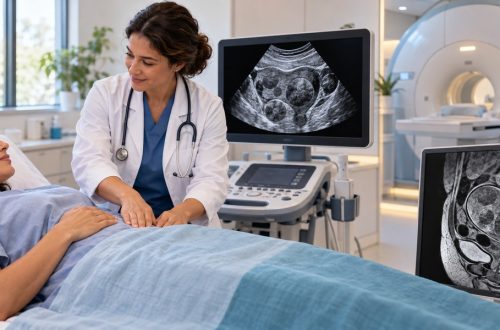
Get a pelvic ultrasound. This will confirm whether you have fibroids, how many, and where they are located. Submucosal fibroids, those that grow into the uterine cavity, are the most likely to cause heavy bleeding.
-
Work with your doctor on a treatment plan. Depending on your fibroid size and location, options include hormonal birth control to lighten bleeding, tranexamic acid to reduce menstrual flow, iron supplementation, or procedures like myomectomy to remove the fibroids.
-
Recheck your iron levels after three months. If you started iron supplements or made changes to reduce bleeding, a follow up blood test will tell you if your approach is working.
Foods and Habits That Support Your Iron Levels
While you work with your doctor, you can start supporting your body right away with small changes.
- Eat iron rich foods like lean red meat, spinach, lentils, and fortified cereals
- Pair plant based iron with vitamin C, for example, add lemon juice to spinach or eat an orange with your lentil soup
- Avoid drinking coffee or tea with meals, as tannins can block iron absorption
- Cook in a cast iron skillet, which can add small amounts of dietary iron to your food
- Consider a gentle iron supplement, but only after a blood test confirms you need one
Taking iron without knowing your levels can be risky. Too much iron can cause oxidative stress and digestive upset. Let lab results guide your supplement choices.
When to See a Doctor for Fibroids and Anemia Fatigue
Some symptoms should not be ignored. If you experience any of the following, make an appointment as soon as possible:
- Fainting or nearly fainting during your period
- Bleeding that soaks through a pad or tampon in less than one hour
- Periods lasting longer than 7 days
- Severe fatigue that makes it hard to work or care for your family
- Chest pain or shortness of breath that gets worse with activity
These signs suggest your anemia is significant enough to need medical attention. Do not wait until your next annual checkup.
The Emotional Toll of Living with Low Energy
Let us be honest about something else. Chronic fatigue does not just affect your body. It affects your mood, your relationships, and your sense of self. When you are always tired, you might cancel plans with friends, skip workouts you used to enjoy, or feel guilty that you do not have the energy for your kids. You might even start to believe that this is just how life feels in your 30s and 40s.
It is not.
Anemia is treatable. Fibroids are manageable. And the fatigue that comes from this combination is not a character flaw or a sign that you are not trying hard enough. It is a medical condition that deserves attention.
Your Path Forward with Fibroids and Anemia Fatigue
If you have been struggling with low energy and heavy periods, you now know the likely reason. Fibroids can cause significant blood loss, and that blood loss leads to iron deficiency anemia. The result is a type of fatigue that rest alone cannot fix.
Start with a blood test. That one simple step can confirm whether your tiredness has a treatable cause. If your iron is low and you have fibroids, you have a clear path forward. You can address both the bleeding and the deficiency, and you can get your energy back.
You deserve to feel like yourself again. With the right information and the right medical support, you can.