You wake up already tired. The afternoon slump hits before lunch. By 3 PM, you are fighting to keep your eyes open at your desk. And the irritability? It feels like your patience ran out before your coffee did. If you have uterine fibroids, you may have blamed your low energy and mood swings on stress, poor sleep, or just getting older. But there is a strong chance your fibroids are the hidden cause.
Fibroids do not just cause pelvic pain and heavy bleeding. They also drain your energy through chronic blood loss, disrupt your sleep, trigger systemic inflammation, and alter your hormone levels. These effects combine to create persistent fatigue, brain fog, and mood instability that many women mistake for other health issues.
How Fibroids Steal Your Energy
The connection between fibroids and fatigue is not in your head. It is in your blood. Literally.
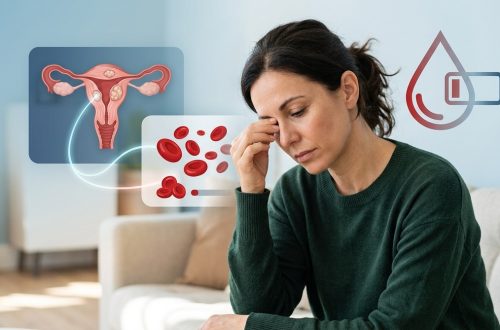
Fibroids can cause heavy menstrual bleeding, a condition called menorrhagia. When you lose significant blood month after month, your iron levels drop. Low iron leads to anemia. And anemia makes you feel like you are wading through mud all day.
But that is just one piece of the puzzle. Here are the main ways fibroids drain your energy:
- Chronic blood loss and iron deficiency. Even if you do not have full-blown anemia, subclinical iron deficiency can sap your stamina. Your body needs iron to carry oxygen to your muscles and brain. Without enough, every task feels harder.
- Poor sleep quality. Large fibroids can press on your bladder, wake you up multiple times a night, or cause pain that disrupts deep sleep. You may not realize you are waking up, but your body knows.
- Systemic inflammation. Fibroids trigger an inflammatory response in your body. Chronic inflammation consumes energy and leaves you feeling run down, similar to how you feel fighting off a cold.
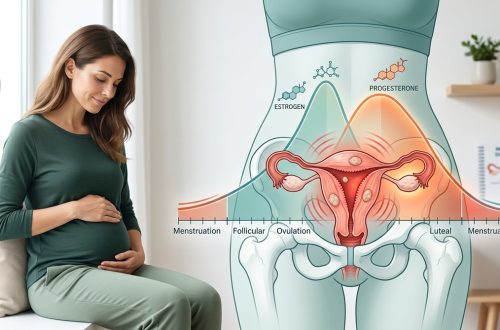
- Hormonal disruption. Fibroids are sensitive to estrogen, but they also influence your hormonal balance. Shifts in estrogen and progesterone can affect your energy regulation and your body’s natural cortisol rhythm.
The Brain Fog Connection You Cannot Ignore
You sit down to write an email and forget what you were going to say. You walk into a room and blank on why. You read a paragraph three times and still cannot absorb it.
This mental haze is a common complaint among women with fibroids, and it is not just from lack of sleep. The same mechanisms that drain your physical energy also starve your brain.
Your brain is an energy hog. It uses about 20 percent of your body’s oxygen supply. When your blood is low on iron or your circulation is compromised by inflammation, your brain does not get the fuel it needs. The result is brain fog: slower processing, poor memory recall, and trouble concentrating.
Additionally, fibroids can cause fibroids and bloating that adds physical discomfort, making it even harder to focus. When your body is uncomfortable, your brain splits its attention.
Why Your Mood Swings Are Not Just PMS
Many women in their 30s and 40s assume mood swings are just part of perimenopause. And yes, hormones play a role. But fibroids can amplify emotional instability through several pathways.
Inflammation reaches your brain. Inflammatory chemicals called cytokines can cross the blood-brain barrier and affect neurotransmitter function. Higher inflammation levels are linked to higher rates of depression and anxiety. When your body is inflamed from fibroids, your mood takes a hit.
Chronic pain wears you down. Living with daily discomfort, even if it is low-grade, depletes your emotional reserves. You have less patience. You snap easier. You feel less like yourself.
Sleep deprivation changes your brain chemistry. Missing even one hour of sleep per night over time can increase irritability, anxiety, and depressive symptoms. Fibroids that disrupt your sleep create a cycle: you sleep poorly, your mood worsens, and your pain feels more intense the next day.
“Many women tell me they thought their fatigue and mood changes were just stress or aging. When we treat their fibroids, their energy comes back and their mood stabilizes. That is not a coincidence. It is physiology.” – Dr. Sarah Mitchell, OB/GYN specializing in fibroid care
The Hidden Cost of Unexplained Fatigue
You may have noticed other symptoms that seem unrelated to your reproductive health. Let us connect the dots.
| Symptom You Feel | Fibroid Connection | Why It Happens |
|---|---|---|
| Afternoon energy crash | Anemia from heavy bleeding | Low iron reduces oxygen delivery |
| Trouble concentrating | Brain fog from inflammation and iron deficiency | Brain lacks fuel and is distracted by discomfort |
| Irritability before your period | Hormonal shifts amplified by fibroids | Fibroids increase estrogen sensitivity |
| Low motivation | Chronic fatigue and pain | Your nervous system conserves energy |
| Anxiety or sadness | Inflammatory cytokines affecting brain chemistry | Systemic inflammation alters neurotransmitter function |
If you are also dealing with fibroids and back pain, that adds another layer of physical stress that drains your emotional battery.
Three Steps to Identify If Fibroids Are Causing Your Fatigue
You do not need to guess. Here is a practical process to figure out if fibroids are the hidden source of your low energy and mood changes.
-
Track your cycle alongside your energy. For two months, keep a simple log. Note your bleeding days, how heavy your flow is, and rate your energy on a scale of 1 to 10 each day. If your energy dips significantly during and right after your period, blood loss is likely the culprit.
-
Check your iron status. Ask your doctor for a simple blood test that includes ferritin (iron storage) and a complete blood count. Many women with fibroids have ferritin levels below 30 ng/mL, which is considered iron deficiency even if you are not anemic.
-
Assess your sleep quality. Use a sleep tracking app or just note how many times you wake up per night. If you wake up more than twice to use the bathroom, your fibroids may be pressing on your bladder and fragmenting your sleep.
When to Talk to Your Doctor
If you recognize yourself in this article, it is worth bringing up with your healthcare provider. The 5 key questions to ask your doctor about fibroids can help you start that conversation with confidence.
You do not need to accept feeling tired and irritable as normal. Many women find that once they address their fibroids, their energy rebounds and their mood lifts within a few months.
Your Body Is Trying to Tell You Something
Fatigue and mood swings are not character flaws. They are signals. Your body is telling you that something is off balance. For millions of women, that something is uterine fibroids.
The good news is that you now have a framework to understand what is happening. The fatigue is real. The brain fog is real. The mood swings are real. And they have a name.
Learning about the complete guide to fibroid types can help you understand why your specific symptoms feel the way they do. Different fibroid locations cause different problems. Knowing your type gives you more power in your treatment decisions.
You deserve to feel like yourself again. Start by listening to what your body is telling you. Then take that knowledge to your doctor. You are not crazy. You are not lazy. You are dealing with a medical condition that affects your whole body, including your energy and your emotions.
And that is something you can do something about.