Women who experience fibroid symptoms often look for ways to manage their discomfort without immediately turning to surgery or medication. While medical treatments are essential in some cases, many women find relief through natural remedies that address root causes and promote overall health. Understanding these options can empower you to take control of your health and potentially reduce fibroid size or symptoms over time. In 2026, a holistic approach combining diet, lifestyle changes, and herbal support is gaining popularity among women seeking gentle, effective relief.
Natural remedies for fibroid symptoms include dietary adjustments, stress management, herbal supplements, and lifestyle changes. These approaches can help reduce discomfort and support overall reproductive health in 2026.
Understanding Fibroids and Why Natural Remedies Matter
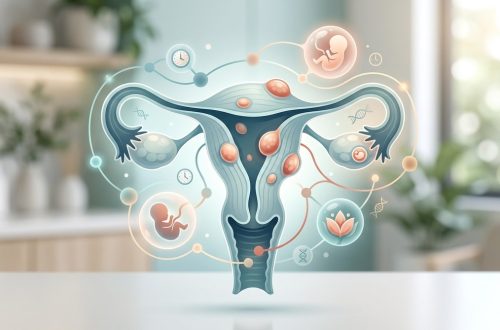
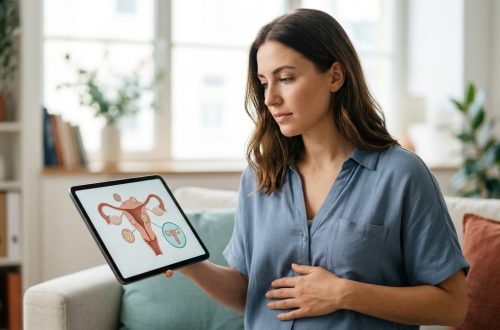
Uterine fibroids are noncancerous growths that develop in the muscular wall of the uterus. Many women experience symptoms like heavy menstrual bleeding, pelvic pressure, lower back pain, and bloating. While some fibroids remain small and cause minimal issues, larger or multiple fibroids can significantly impact quality of life.
Natural remedies for fibroid symptoms focus on reducing inflammation, balancing hormones, and improving blood flow. These methods appeal to women who prefer to avoid or delay medical procedures, or who want to support their health holistically. In 2026, the emphasis on lifestyle and dietary strategies continues to grow, backed by emerging research and herbal science.
Lifestyle Changes That Can Help Manage Fibroid Symptoms
Changing daily habits can make a noticeable difference in how you feel. Here are some practical steps to incorporate into your routine:
1. Maintain a balanced, anti-inflammatory diet
Consuming foods rich in antioxidants, fiber, and healthy fats can help lower inflammation and support hormone balance. Focus on:
- Leafy greens like spinach and kale
- Berries such as blueberries and strawberries
- Nuts and seeds including flaxseed and chia
- Fish high in omega-3 fatty acids like salmon and mackerel
Avoid processed foods, refined sugars, and excess caffeine, which can exacerbate hormonal imbalance and inflammation.
2. Manage stress effectively
Chronic stress can spike cortisol levels, disrupting hormonal balance and potentially worsening fibroid symptoms. Techniques like meditation, deep breathing exercises, or gentle yoga can promote relaxation. Regular meditation sessions or even short daily walks outdoors can reduce stress levels and improve overall well-being.
3. Engage in gentle physical activity
Exercise supports healthy circulation and helps maintain a healthy weight. Activities like walking, swimming, or yoga can alleviate pelvic congestion and lower inflammation. Consistency matters, so aim for at least 150 minutes of moderate activity each week.
4. Prioritize sleep
Quality sleep is vital for hormone regulation. Establish a calming bedtime routine, keep your sleep environment cool and dark, and avoid screens before bed. Adequate rest helps your body heal and balance hormonal fluctuations associated with fibroids.
5. Avoid environmental toxins
Limit exposure to endocrine disruptors found in plastics, pesticides, and personal care products. Choose natural, organic options when possible to reduce hormone interference that can promote fibroid growth.
Herbal and Dietary Supplements for Fibroid Relief
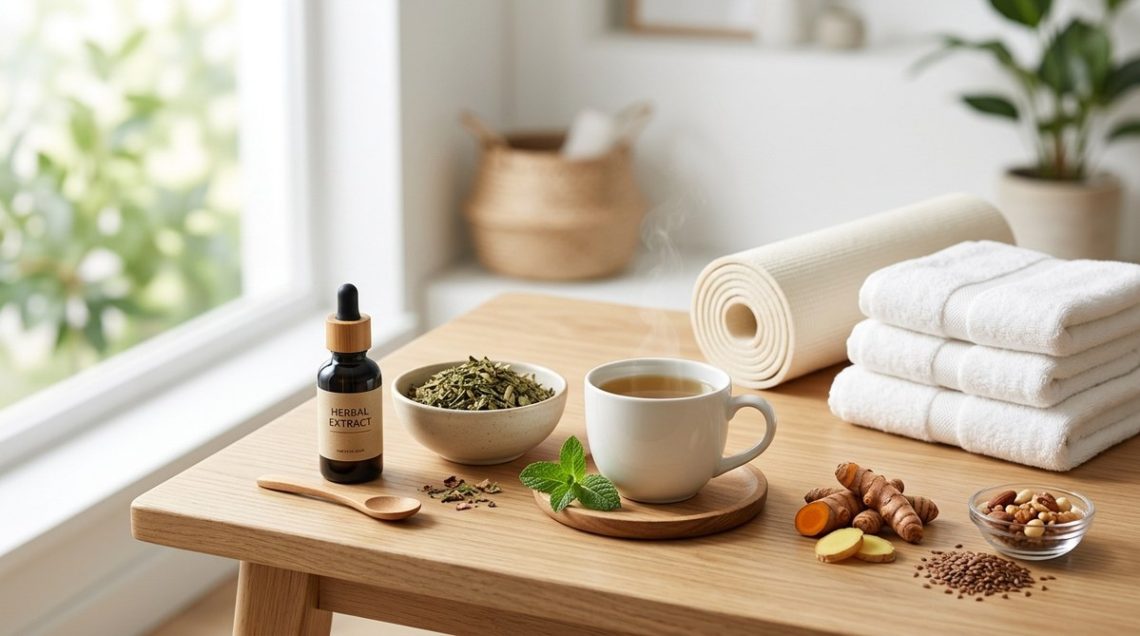
Certain herbs and supplements have shown promise in supporting fibroid management naturally. Always consult with a healthcare provider before starting any new supplement.
| Technique | What It Does | Common Mistakes |
|---|---|---|
| Turmeric | Contains curcumin, which reduces inflammation | Taking excessive amounts without medical guidance |
| Vitex (Chaste Tree) | Balances hormones, especially progesterone | Using in high doses without professional advice |
| Green tea extract | Rich in antioxidants, may inhibit fibroid growth | Relying solely on supplements instead of diet |
| Flaxseed | Provides lignans, supports hormone balance | Overconsumption causing digestive issues |
Remember, herbal remedies work best when combined with lifestyle changes. It’s crucial to be consistent and patient, as results take time.
Dietary Adjustments for Long-Term Relief
Incorporating specific foods into your daily diet can help naturally shrink fibroids or lessen symptoms:
- Increase intake of vegetables, especially cruciferous types like broccoli and Brussels sprouts
- Incorporate plant-based proteins such as beans and lentils
- Limit red meat consumption, which may promote inflammation
- Use healthy fats like olive oil and avocado
- Stay hydrated by drinking plenty of water daily
Avoid foods high in refined sugars and processed ingredients that can cause hormonal spikes and inflammation.
Practical Process to Incorporate Natural Strategies
-
Assess your current diet and lifestyle
Identify areas where inflammation or hormonal imbalance may be present. -
Create a personalized plan
Combine dietary changes, stress reduction techniques, and gentle activity tailored to your needs. -
Track your progress
Keep a journal of symptoms, diet, and lifestyle adjustments to see what works best.
| Mistake | Technique | How to Avoid |
|---|---|---|
| Skipping meals | Maintaining blood sugar levels | Eat regular, balanced meals to stabilize hormones |
| Overusing herbal supplements | Relying solely on herbs | Use herbs as part of a comprehensive plan with medical guidance |
| Neglecting stress management | Ignoring emotional health | Schedule daily stress-reducing activities |
When to Seek Medical Advice
While natural remedies can be effective for mild to moderate symptoms, some cases require professional intervention. If you experience severe bleeding, rapid growth of fibroids, or significant pain, consult a healthcare provider. Combining natural approaches with medical treatment often yields the best results.
Managing Expectations and Staying Consistent
Natural remedies for fibroid symptoms require patience. Results may take several months of consistent effort. Remember, every woman’s body responds differently. Combining dietary adjustments, herbal support, stress management, and gentle exercise creates a comprehensive approach that enhances your chances of relief.
Embracing a Holistic Approach to Fibroid Symptoms
In 2026, the focus on natural, supportive strategies continues to empower women to manage fibroids effectively. Making small, sustainable changes daily can lead to meaningful improvements over time. Trust your body’s ability to heal and support it with nourishing foods, herbal allies, and stress reduction techniques. With patience and persistence, you can experience relief and improve your overall reproductive health naturally.
Taking control of your health begins with informed choices. Start today by incorporating these practices into your routine and consult a healthcare professional to personalize your plan. Your journey to feeling better naturally is within reach.