You’ve been told your fibroids are just something to “monitor” until they get bad enough for surgery. But waiting isn’t your only option. Research shows specific dietary patterns, targeted supplements, and lifestyle modifications can influence fibroid growth and even promote shrinkage in some women.
Natural fibroid management combines anti-inflammatory eating patterns, hormone-balancing supplements like vitamin D and green tea extract, stress reduction techniques, and regular movement. While these methods won’t replace medical treatment for severe cases, research demonstrates they can slow fibroid growth, reduce symptoms, and in some cases promote modest shrinkage when applied consistently over several months.
Understanding Why Fibroids Grow in the First Place
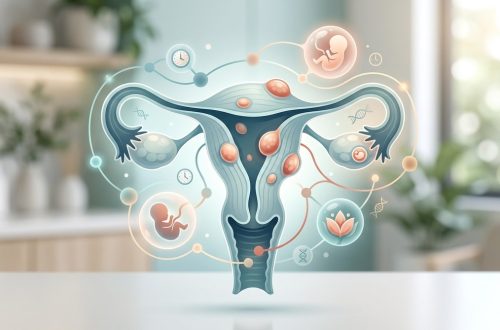
Fibroids are benign tumors that develop in or around your uterus. They respond strongly to estrogen and progesterone, which explains why they typically grow during your reproductive years and shrink after menopause.
Several factors fuel fibroid growth:
- Excess estrogen relative to progesterone
- Chronic inflammation throughout your body
- Insulin resistance and blood sugar imbalances
- High levels of growth factors like IGF-1
- Oxidative stress damaging cellular function
Natural approaches work by addressing these underlying mechanisms. They won’t produce overnight results, but they create an internal environment less favorable to fibroid growth.
Most women notice symptom improvements within 8 to 12 weeks. Actual size reduction, when it occurs, typically takes 4 to 6 months of consistent effort.
The Anti-Inflammatory Diet Approach
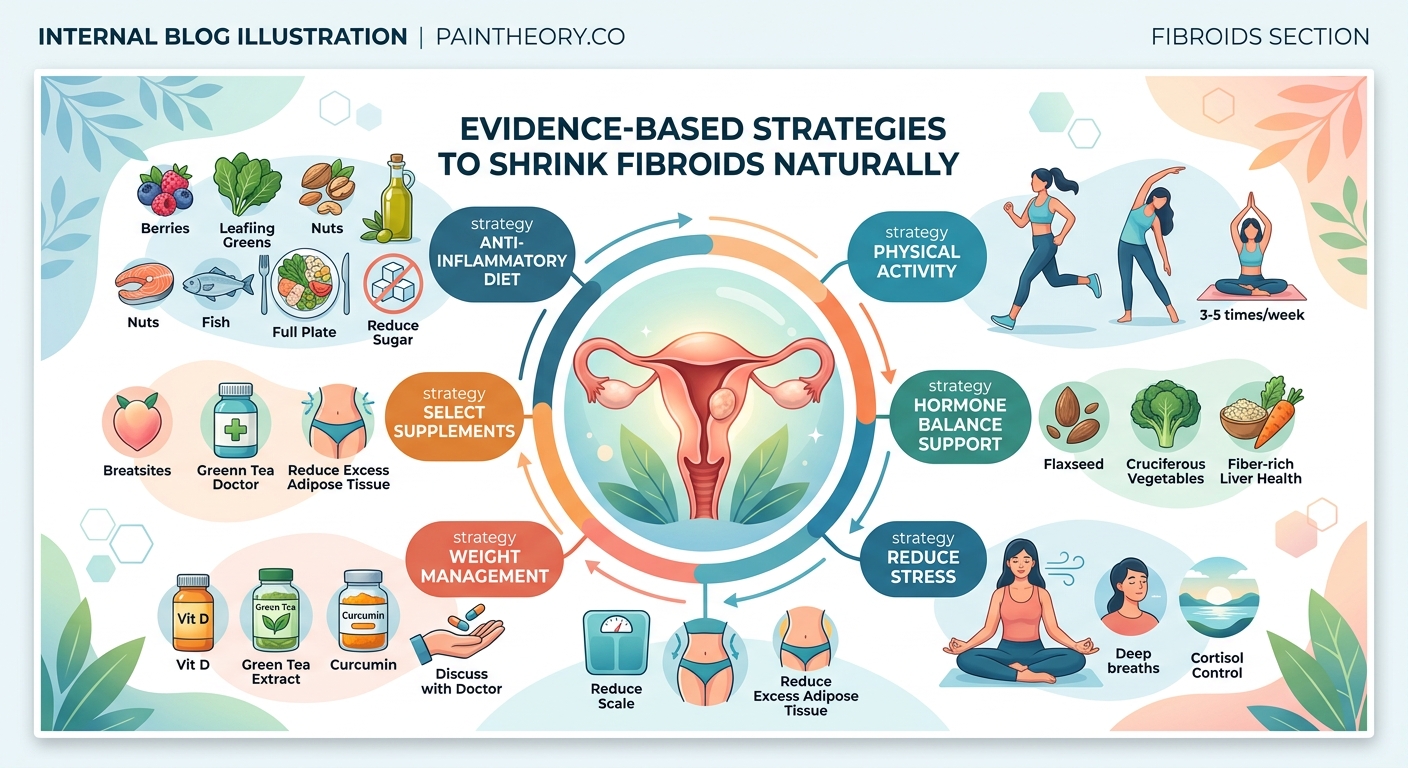
Your food choices directly impact hormone levels and inflammation, both critical factors in fibroid development.
Research published in the American Journal of Clinical Nutrition found women who ate the most red meat had significantly higher fibroid risk compared to those eating predominantly plant-based diets.
Foods That Support Fibroid Shrinkage
Focus your meals around these evidence-backed options:
Cruciferous vegetables like broccoli, cauliflower, and Brussels sprouts contain indole-3-carbinol, which helps your liver metabolize estrogen more effectively. Aim for at least one serving daily.
Leafy greens provide folate and magnesium, both associated with lower fibroid risk. Spinach, kale, and collard greens should fill half your plate at lunch and dinner.
Fatty fish such as salmon, sardines, and mackerel deliver omega-3 fatty acids that reduce inflammation. Try for three servings weekly.
Legumes and beans offer plant-based protein without the hormone-disrupting effects of conventional meat. They also provide fiber that helps eliminate excess estrogen through your digestive system.
Flaxseeds contain lignans that can modulate estrogen activity. Grind two tablespoons fresh daily and add to smoothies or oatmeal.
Foods to Minimize or Avoid
Certain foods promote the exact conditions that encourage fibroid growth:
- Conventional red meat and full-fat dairy: Often contain hormone residues and promote inflammation
- Refined carbohydrates: White bread, pastries, and sugary snacks spike insulin and promote fat storage where estrogen is produced
- Alcohol: Increases estrogen levels and burdens your liver’s detoxification capacity
- Processed foods with additives: Many contain xenoestrogens, synthetic compounds that mimic estrogen in your body
If you notice weight fluctuations alongside your fibroids, dietary changes become even more important since fat tissue produces estrogen.
Supplements That Show Real Promise
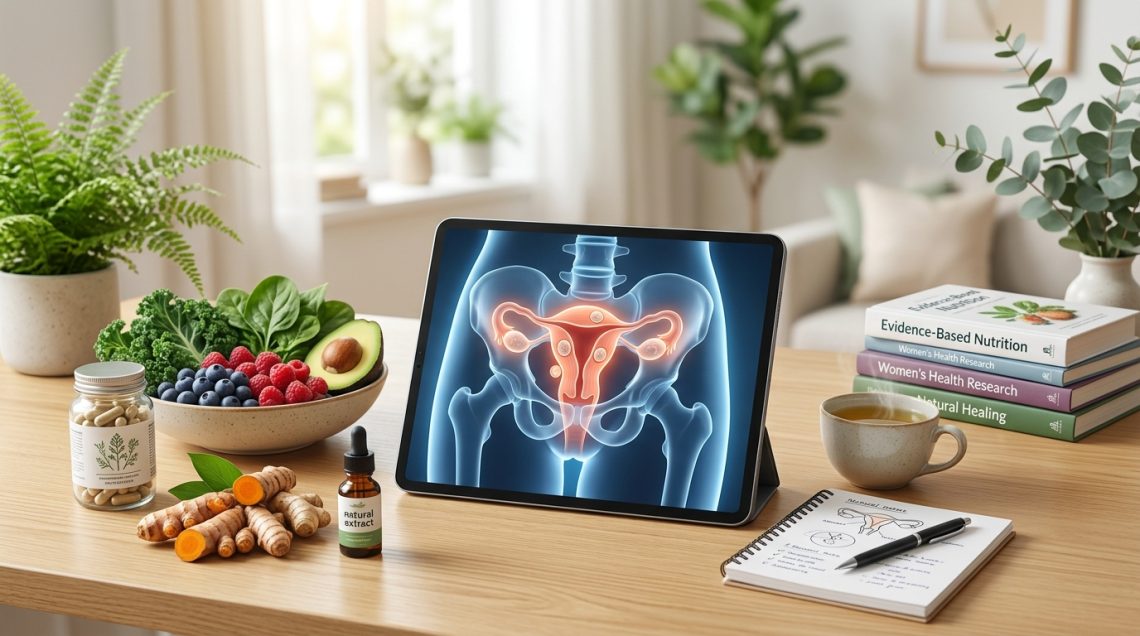
While food forms your foundation, specific supplements have demonstrated fibroid-fighting properties in clinical studies.
| Supplement | Typical Dose | Mechanism | Research Support |
|---|---|---|---|
| Vitamin D | 2000-4000 IU daily | Inhibits fibroid cell growth | Study showed 32% reduction in fibroid volume |
| Green Tea Extract (EGCG) | 400-800 mg daily | Reduces fibroid cell proliferation | Significant symptom improvement in 4 months |
| Curcumin | 500-1000 mg twice daily | Anti-inflammatory, blocks growth signals | Reduced fibroid markers in animal studies |
| Vitamin E | 400-800 IU daily | Antioxidant protection | May work synergistically with other nutrients |
| Magnesium | 300-400 mg daily | Supports hormone balance | Deficiency linked to increased fibroid risk |
Important: Always discuss supplements with your healthcare provider, especially if you’re taking medications or planning pregnancy. Quality matters tremendously, so choose third-party tested brands.
The Vitamin D Connection
Low vitamin D levels appear consistently in women with fibroids. One groundbreaking study found women with sufficient vitamin D had a 32% lower risk of developing fibroids.
Get your levels tested. Most women with fibroids benefit from supplementation to reach optimal levels between 40-60 ng/mL.
Spend 15-20 minutes in midday sun several times weekly if possible, exposing your arms and legs without sunscreen. This natural production works alongside supplementation.
Lifestyle Modifications That Make a Difference
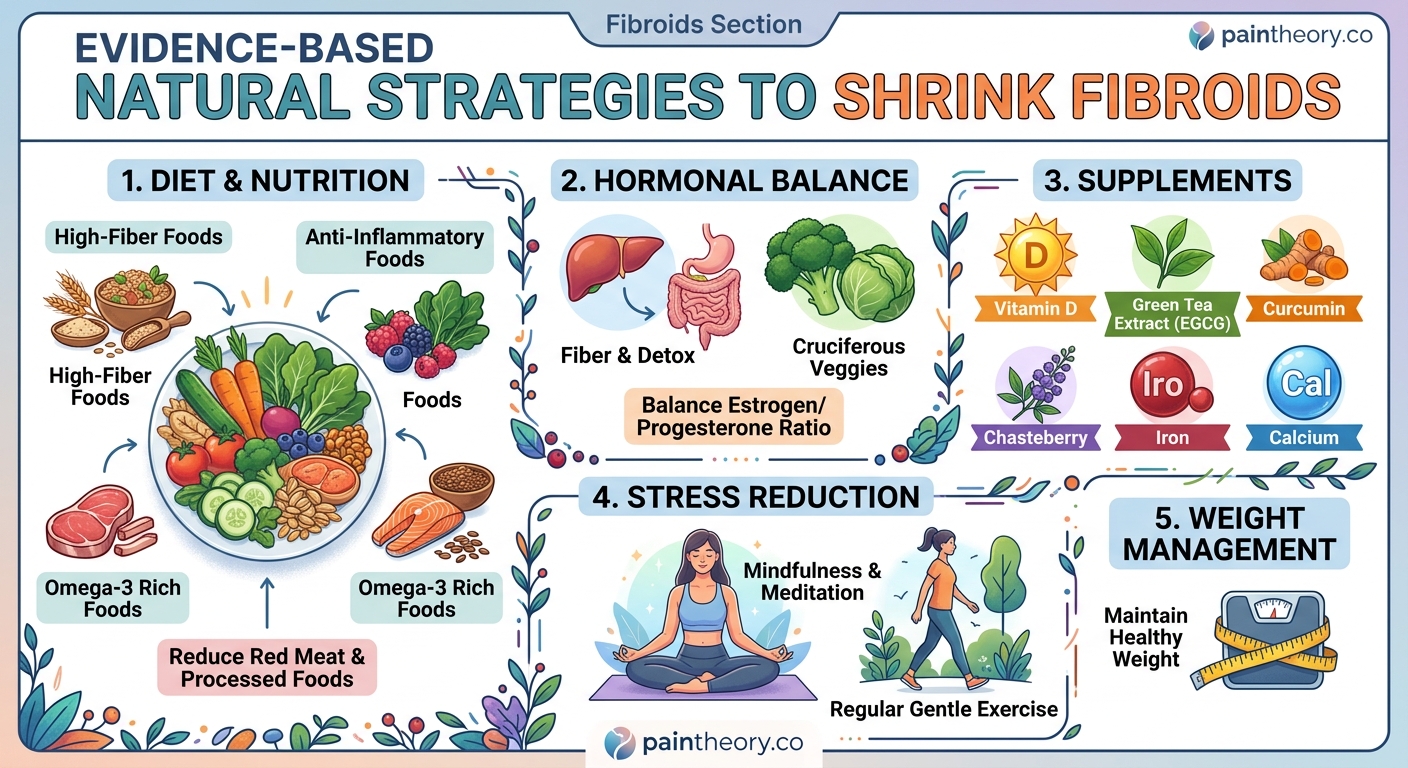
Diet and supplements work best when paired with strategic lifestyle changes.
1. Manage Your Stress Response
Chronic stress elevates cortisol, which disrupts your entire hormone cascade. High cortisol can lead to estrogen dominance, the exact hormonal pattern that feeds fibroid growth.
Implement daily stress reduction:
- Practice 10-15 minutes of deep breathing or meditation
- Try gentle yoga focused on pelvic floor relaxation
- Establish firm boundaries around work hours and obligations
- Prioritize 7-8 hours of quality sleep nightly
Studies show women who practice regular stress management techniques experience fewer fibroid symptoms and better overall hormone balance.
2. Move Your Body Consistently
Regular exercise helps regulate insulin, reduce inflammation, and maintain healthy body weight. All three factors influence fibroid development.
You don’t need intense workouts. Moderate activity proves most beneficial:
- 30 minutes of brisk walking five days weekly
- Swimming or water aerobics for low-impact movement
- Strength training twice weekly to build lean muscle
- Gentle stretching to improve circulation to your pelvic region
Avoid exercises that put excessive pressure on your abdomen if you have large fibroids. Listen to your body and adjust accordingly.
3. Reduce Environmental Estrogen Exposure
Xenoestrogens from plastics, cosmetics, and household products can worsen estrogen dominance.
Make these practical swaps:
- Store food in glass containers instead of plastic
- Choose organic produce for the “Dirty Dozen” items
- Replace conventional cleaning products with vinegar, baking soda, and essential oils
- Select cosmetics and personal care items free from parabens and phthalates
- Filter your drinking water to remove hormonal contaminants
Small changes accumulate. You don’t need to overhaul everything overnight.
4. Support Your Liver’s Detoxification
Your liver processes and eliminates excess hormones. When it’s overburdened, estrogen recirculates instead of being removed.
Support liver function through:
- Drinking plenty of filtered water (half your body weight in ounces daily)
- Limiting alcohol consumption to occasional use
- Eating bitter greens like arugula and dandelion
- Adding liver-supporting herbs like milk thistle
- Reducing processed food intake
Creating Your Personal Action Plan
Trying to change everything at once usually leads to burnout. Instead, build gradually.
Month 1: Focus on dietary changes. Remove processed foods and add cruciferous vegetables daily. Start a food journal to identify patterns.
Month 2: Add two to three key supplements after consulting your healthcare provider. Begin a simple stress management practice.
Month 3: Incorporate regular movement and start reducing environmental estrogen exposure.
Month 4: Refine your approach based on what’s working. Schedule follow-up imaging or exams to assess progress.
“Natural approaches work best when viewed as a comprehensive lifestyle shift rather than isolated interventions. Consistency over time produces results that surprise many of my patients who initially doubted non-surgical options could make a meaningful difference.” – Dr. Sarah Mitchell, Integrative Gynecologist
When Natural Methods Aren’t Enough
Be honest about your expectations. Natural approaches work best for:
- Small to moderate-sized fibroids (under 5-6 cm)
- Women with mild to moderate symptoms
- Those wanting to prevent further growth
- Supporting recovery after medical treatment
They may not be sufficient if you’re experiencing:
- Severe bleeding causing anemia
- Fibroids larger than a grapefruit
- Significant pain interfering with daily life
- Fertility problems related to fibroid location
- Urinary or bowel obstruction
Recognizing warning signs early helps you make informed decisions about when natural methods need medical support.
Natural approaches and medical treatments aren’t mutually exclusive. Many women use dietary and lifestyle strategies alongside procedures like uterine artery embolization or focused ultrasound to optimize outcomes.
Tracking Your Progress Effectively
Measure what matters to stay motivated and adjust your approach.
Keep a symptom journal tracking:
- Menstrual flow heaviness (number of pads/tampons per day)
- Pain levels on a 1-10 scale
- Energy levels throughout your cycle
- Digestive changes
- Sleep quality
- Mood patterns
Take body measurements monthly. Some fibroids cause abdominal distension that decreases before imaging shows size reduction.
Schedule follow-up ultrasounds every 6 months to objectively assess fibroid size. Your doctor can compare measurements over time.
Don’t get discouraged if progress seems slow. Fibroid development took years. Reversal requires patience and persistence.
Common Mistakes to Avoid
Even well-intentioned efforts can fall short if you make these errors:
Being inconsistent: Taking supplements sporadically or eating well only a few days weekly won’t produce results. Your body needs sustained support.
Expecting overnight changes: Natural methods work gradually. Give any new protocol at least 3-4 months before judging effectiveness.
Ignoring stress: You can’t out-supplement a chronically stressed nervous system. Stress management isn’t optional.
Choosing low-quality supplements: Bargain supplements often contain fillers, inadequate doses, or poor absorption forms. Invest in quality.
Going it alone: Work with a healthcare provider familiar with integrative approaches. They can monitor your progress and adjust as needed.
Neglecting underlying conditions: Address insulin resistance, thyroid dysfunction, or other hormonal imbalances that contribute to fibroid growth.
Managing Pain While Fibroids Shrink
Natural shrinkage takes time. Meanwhile, you need symptom relief.
Heat therapy often provides immediate comfort for fibroid-related cramping and pressure. A heating pad on your lower abdomen or back can relax tense muscles and improve blood flow.
Gentle movement helps too. Walking, swimming, or restorative yoga keep you mobile without aggravating symptoms.
For sleep disruption from pain, establish a calming bedtime routine and consider magnesium supplementation, which supports both muscle relaxation and sleep quality.
Some women find acupuncture helpful for managing both pain and hormonal balance. Look for a licensed practitioner experienced in women’s health conditions.
Your Next Steps Matter Most
Natural fibroid management isn’t about perfection. It’s about consistent, informed choices that shift your internal environment away from growth and toward balance.
Start where you are. Pick one or two changes from this article that feel most manageable. Master those before adding more.
Track your symptoms and celebrate small improvements. Less painful periods, reduced bloating, or better energy all signal you’re moving in the right direction.
Stay in communication with your healthcare team. Natural approaches work best when integrated with appropriate medical monitoring.
Your fibroids didn’t appear overnight, and they won’t disappear that way either. But with patience, consistency, and evidence-based strategies, you can take meaningful action while avoiding or delaying more invasive interventions. That’s not just hope, it’s a practical path forward backed by real research and countless women who’ve walked it successfully.