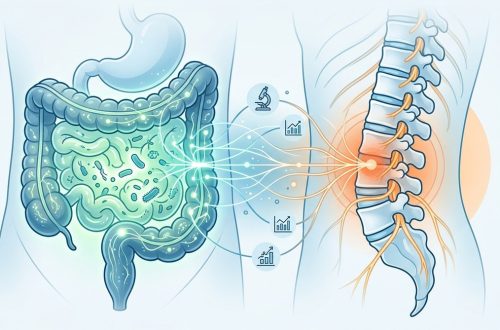
Your back doesn’t hurt because of one dramatic injury. For most adults between 30 and 55, the real culprit is a slow buildup of small, repeated stresses. You wake up stiff, spend the day at a desk, and by evening you’re reaching for a heating pad. The pain feels random, but it rarely is. The truth is that many common daily habits that worsen back pain are so ingrained you probably don’t notice them anymore. The good news? You can reverse the damage without a complete life overhaul.
Most back pain is driven by everyday routines, not major accidents. Sitting for hours, sleeping in bad positions, carrying bags unevenly, and ignoring stress all silently strain your spine. The fix is not about expensive equipment or drastic changes. Small, consistent adjustments to how you sit, sleep, carry, and move can dramatically reduce pain and protect your back for years to come.
The Sitting Trap That Tightens Your Back
You probably know sitting all day is bad for your back. But do you know exactly what happens inside your body? When you sit for 45 minutes or more without standing, the discs in your lower spine start to lose hydration. They become less flexible. The muscles in your hips and glutes go dormant. Meanwhile, your chest muscles tighten and pull your shoulders forward. This combination creates a perfect storm for chronic lower back pain.
The fix is not a standing desk. Standing still for hours is almost as bad as sitting. The real solution is movement breaks.
How to break the sitting cycle effectively:
- Set a timer for every 30 minutes. When it goes off, stand up.
- Walk for 60 to 90 seconds, even if it is just to the kitchen or around your desk.
- Do one simple stretch: reach your arms overhead or gently twist your torso.
- Return to your seat and reset your posture.
This is not a suggestion. It is a medical recommendation. Your spine needs movement to pump nutrients into the discs. Without it, the discs dry out and become more vulnerable to pain and injury.
“Sitting is not inherently dangerous. Sitting without breaks is. The human spine was designed to move, and the longer you stay still, the more you starve your back of the fluid exchange it needs to stay healthy.” Dr. Stuart McGill, spine biomechanics expert.
Why Your Phone Is a Pain Trigger
Tech neck is not a buzzword. It is a real mechanical problem. Every time you tilt your head forward to look at your phone, the weight your neck has to support increases dramatically. At a 15 degree tilt, the force on your cervical spine is about 27 pounds. At 60 degrees, it jumps to 60 pounds. That pressure does not stay in your neck. It travels down your spine, pulling on muscles in your upper back and eventually your lower back.
You do not have to throw away your phone. You just need to change how you use it.
- Bring the phone to eye level, not your head to the phone.
- Use voice typing for long messages.
- Take a 2 minute phone break every 20 minutes of scrolling.
- Hold your device with both hands to keep your shoulders level.
One simple test: if your chin is touching your chest while you read this, your phone is causing back pain right now.
The Weekend Warrior Mistake
You move very little Monday through Friday. Then Saturday arrives and you decide to make up for it. You run five miles, spend three hours in the garden, or play a full basketball game. By Sunday morning you can barely get out of bed.
This pattern is one of the most common daily habits that worsen back pain. Your muscles and connective tissues adapt to your average daily load. When you suddenly spike that load by 500 percent, something has to give. Usually it is a strained muscle, a tweaked disc, or a flare up of an old injury.
A better weekly movement plan looks like this:
| Day | Activity | Duration |
|---|---|---|
| Monday | Walk after dinner | 15 minutes |
| Tuesday | Gentle stretching or yoga | 10 minutes |
| Wednesday | Walk or light jog | 20 minutes |
| Thursday | Strength: bodyweight squats and glute bridges | 10 minutes |
| Friday | Walk or rest | 15 minutes |
| Saturday | Active fun (hike, bike, sports) | Up to 60 minutes |
| Sunday | Restorative walk | 20 minutes |
The key is consistency, not intensity. A little movement every day protects your back far better than a big push once a week.
The Way You Sleep Is Hurting You
You spend one third of your life in bed. If you sleep in a bad position, you are essentially training your spine to be misaligned for eight hours straight. The most common mistake is sleeping on your stomach. This forces your neck to twist 90 degrees to the side, which torques your entire spine. Over time, this can cause chronic neck and back pain.
Better sleep positions and what they do:
- Back sleeping with a pillow under your knees. This maintains the natural curve of your lower back.
- Side sleeping with a pillow between your knees. This keeps your hips, pelvis, and spine aligned.
- Stomach sleeping is not recommended. If you cannot change, place a thin pillow under your hips to reduce the arch in your lower back.
Your mattress matters too. If your mattress is older than 8 years, it has likely lost its supportive structure. A medium firm mattress is generally best for back pain. If you are unsure about your setup, read our guide on is your mattress causing your morning back pain.
Carrying the Weight of Your Daily Bag
You probably do not think about your bag as a source of back pain. But consider this: if you carry a bag on one shoulder, your body instinctively lifts that shoulder to keep the strap from falling. This creates an imbalance. One shoulder is higher. Your spine curves to compensate. Your hips tilt. Within minutes, your entire kinetic chain is out of alignment.
Signs your bag is causing back pain:
- You notice one shoulder feels tighter than the other.
- Your neck hurts more on the side you carry your bag.
- You lean to one side when you stand still.
Solutions that work:
- Switch to a backpack with two padded straps.
- If you prefer a crossbody bag, keep it light and switch sides every hour.
- Clean out your bag weekly. Most people carry 5 to 10 pounds of items they never use.
Stress: The Hidden Muscle Tension Trigger
You might not think of stress as a physical habit. But your body does. When you are stressed, your nervous system activates a protective response. Your muscles tense up, especially in your shoulders, neck, and lower back. If stress is chronic, those muscles never fully relax. They stay in a low grade state of contraction. Over months and years, this creates muscle fatigue, trigger points, and persistent back pain.
This is not in your head. It is in your fascia and your muscles.
Three practical ways to release stress related back tension:
- Box breathing. Inhale for 4 seconds, hold for 4 seconds, exhale for 4 seconds, hold for 4 seconds. Do this for 2 minutes when you feel tension rising.
- Progressive muscle relaxation. While lying down, tense your feet for 5 seconds, then release. Move up to your calves, thighs, glutes, and back. This teaches your body how to let go.
- The 90 second rule. When you notice stress, pause for 90 seconds before reacting. This gives your nervous system time to settle.
For a deeper look at this connection, read can emotional stress actually cause physical back pain.
A Simple 3 Step Daily Reset
You do not need a complicated routine. You need a few reliable anchors that keep your back safe no matter what the day throws at you.
- Check your posture every time you sit down. Your ears should be over your shoulders, your shoulders over your hips. Set a phone reminder that says “reset your spine.”
- Move for 2 minutes every hour. This is non negotiable. Set a recurring calendar event if you have to.
- End your day with a 5 minute stretch. Focus on your hip flexors, glutes, and lower back. These three areas take the most damage from sitting.
When Small Changes Are Not Enough
Sometimes changing habits is not enough. If you have had back pain for months or years, there may be underlying issues that need professional attention. Things like disc degeneration, sciatica, or arthritis do not always resolve with better posture alone.
If you experience any of these red flags, you should see a doctor:
- Pain that lasts longer than 2 weeks without improvement.
- Pain that radiates into your legs or feet.
- Numbness or tingling in your back or limbs.
- Pain that gets worse when you try to exercise.
In those cases, a pain specialist or physical therapist can create a targeted plan. Learn more about 5 back pain red flags that mean you should see a doctor immediately.
Your Back Is Telling You Something
Your back pain is not a punishment. It is a signal. It is telling you that one or more of your daily habits is out of balance with what your body needs. The good news is that you can respond to that signal. You do not have to accept pain as a normal part of getting older or working a desk job.
Start with one change today. Pick the habit that feels most relevant to your life. Maybe it is setting a movement timer. Maybe it is changing your sleep position. Maybe it is switching to a backpack. Whatever you choose, do it consistently for two weeks. Track how your back feels. Most people notice a real difference within that time.
Your back has been carrying you through every day of your life. It deserves the same care you give to your car, your phone, or your relationships. Small, daily adjustments are not just helpful. They are the foundation of a life without chronic back pain.