If you have been living with chronic back pain, you have probably tried everything. New mattress. Better posture. More stretching. Maybe even a trip to the chiropractor. But what if the real source of your pain is not in your back at all? What if it starts much lower, in your digestive system?
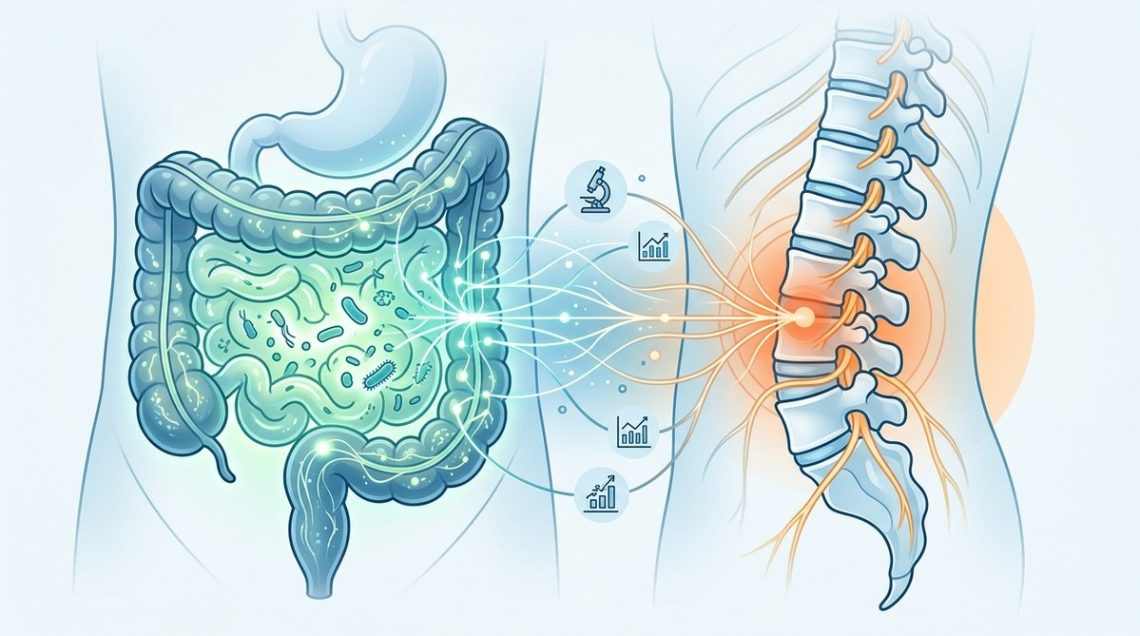
A growing body of research in 2026 points to a surprising suspect: your gut. Scientists are now mapping out a direct communication highway between your intestines and your spine. They call it the gut-spine axis. And it might explain why your back pain has stuck around despite all your efforts.
Your gut health and chronic back pain are connected through a pathway called the gut-spine axis. An imbalanced gut microbiome can trigger systemic inflammation, which travels through your nervous system and directly sensitizes nerves in your lower back. Healing your gut may be a powerful, non-pharmaceutical way to reduce pain signals and find lasting relief.
The Hidden Highway Between Your Gut and Your Spine
Think of your gut as a command center. It houses trillions of bacteria, fungi, and viruses collectively known as the microbiome. These microbes do more than digest food. They talk to your brain. They regulate your immune system. And, as new science shows, they can influence pain signals traveling up your spinal cord.
When your gut microbiome is balanced, it helps keep inflammation low. When it is out of balance, a condition called dysbiosis, harmful bacteria can take over. These troublemakers produce inflammatory compounds that leak through the gut lining and enter your bloodstream.
From there, those compounds travel to your lower back. They irritate nerves. They keep your immune system on high alert. This chronic, low-grade inflammation is a known driver of back pain. It makes your nerves hypersensitive. Normal movements start to hurt. The pain becomes a loop that is hard to break.
How Dysbiosis Creates a Pain Cycle
Your gut lining is supposed to be a careful gatekeeper. It decides what passes into your blood and what stays out. A poor diet, chronic stress, and even certain medications can weaken this barrier. When the gut lining becomes too porous, a condition often called leaky gut, larger particles slip through.
These particles include lipopolysaccharides (LPS), which are fragments of bacterial cell walls. Your immune system sees LPS as an invader. It launches an inflammatory attack. That inflammation does not stay in your belly. It spreads.
Researchers have found that this systemic inflammation directly impacts the dorsal root ganglia, the clusters of nerves just outside your spinal cord. These are the same nerves that send pain signals from your lower back to your brain. When they are inflamed, they fire more easily. You feel pain more intensely, even from harmless activities like sitting or bending.
Signs Your Gut Might Be Fueling Your Back Pain
How do you know if your gut is part of the problem? Look for these clues. They often appear together with chronic back pain.
- Frequent bloating or gas after meals
- Irregular bowel movements (diarrhea or constipation)
- Unexplained fatigue or brain fog
- Food sensitivities that cause digestive upset
- A history of antibiotic use or high stress levels
If you checked several of these boxes, your gut microbiome may be out of balance. The good news is that you can take steps to restore it. And when you do, your back pain may improve.
3 Steps to Calm the Gut-Spine Axis
Healing your gut does not require a complicated protocol. It requires consistency. Here is a practical process to start.
-
Remove the irritants. For two weeks, cut out processed foods, added sugars, and artificial sweeteners. These feed the harmful bacteria in your gut. Focus on whole foods like vegetables, lean proteins, and healthy fats. Many people notice less bloating and fewer pain flare ups within days.
-
Feed the good bacteria. Add fermented foods to your daily routine. Sauerkraut, kimchi, yogurt, and kefir are excellent sources of probiotics. You also need prebiotics, which are fibers that feed healthy microbes. Garlic, onions, leeks, asparagus, and bananas are rich in prebiotics. Think of it as fertilizing your garden.
-
Support your gut lining. Certain nutrients help rebuild the intestinal barrier. L-glutamine, an amino acid, is a key fuel source for gut cells. Zinc and vitamin D also play important roles. A high quality bone broth contains collagen and glycine that support gut repair. You can find these in supplement form, but food sources are always best.
Foods That Help and Foods That Hurt
Not all foods affect your gut the same way. Some calm inflammation. Others fuel it. Here is a simple guide to help you make better choices.
| Category | Foods That Help (Anti-Inflammatory) | Foods That Hurt (Pro-Inflammatory) |
|---|---|---|
| Vegetables | Leafy greens, broccoli, bell peppers | Nightshades (if sensitive: tomatoes, peppers) |
| Fats | Olive oil, avocado, fatty fish | Vegetable oils, margarine, fried foods |
| Grains | Quinoa, brown rice, oats | White bread, pasta, sugary cereals |
| Protein | Wild salmon, grass fed beef, eggs | Processed meats, deli meats |
| Beverages | Green tea, water with lemon | Soda, energy drinks, alcohol |
“The gut is the root of all health. When we see chronic pain in our patients, we always look at the gut first. Cleaning up the diet and supporting digestion often produces more relief than any painkiller.” – Dr. Sarah Mitchell, Functional Medicine Specialist
Common Mistakes That Undo Your Progress
Even with good intentions, it is easy to slip up. Here are the most common errors people make when trying to heal their gut for back pain relief.
- Going too fast. Changing your diet overnight can cause temporary die off symptoms. Headaches and fatigue are common. Slow down. Add one new habit each week.
- Ignoring stress. Your gut and brain are connected. High stress levels damage the gut lining. You can eat perfectly and still have gut issues if you are chronically stressed. Incorporate breathing exercises or a short walk.
- Forgetting about sleep. Poor sleep disrupts the microbiome. Aim for seven to eight hours. Keep your room dark and cool. Your gut bacteria follow a circadian rhythm just like you do.
- Overdoing probiotics. More is not always better. Stick to one serving of fermented food per day. Too many probiotics can cause gas and bloating, which defeats the purpose.
A Sample Day for Gut Healing
Wondering how this looks in real life? Here is a sample meal plan that supports the gut-spine axis.
- Breakfast: Scrambled eggs with spinach and a side of sauerkraut. Green tea.
- Lunch: Grilled salmon over a bed of mixed greens with olive oil dressing. A handful of almonds.
- Snack: A small apple or a cup of bone broth.
- Dinner: Stir fried broccoli and bell peppers with grass fed beef and quinoa.
- Evening: Herbal tea like ginger or peppermint.
This menu is rich in fiber, healthy fats, and fermented foods. It avoids sugar and processed ingredients. Try it for two weeks and track how your back feels each morning.
When to See a Professional
Dietary changes are powerful, but they are not a replacement for medical care. If your back pain is severe or does not improve after a month of gut healing, consult a healthcare provider. You might benefit from a comprehensive stool test to identify specific bacterial imbalances. Some patients also need targeted support from a gastroenterologist or a functional medicine doctor.
For many people, understanding the gut health back pain connection is the missing piece. It shifts the focus from treating symptoms to addressing the root cause. If you are also dealing with other inflammatory conditions like fibroids, you may find that a similar approach helps. You can read more about how fibroids cause weight gain and the role inflammation plays in that process.
Your Path to a Quieter Back Starts in the Kitchen
The connection between your gut and your back pain is real. It is backed by emerging research in 2026. And it offers you something that many treatments do not: a sense of control. You do not have to wait for a prescription or a surgery date. You can start today, with the food on your plate.
Give your gut the attention it deserves. Remove the junk. Feed the good bacteria. Support the lining. Watch how your body responds. Many people find that their back pain becomes less intense. It stops being the first thing they think about in the morning.
You deserve relief that lasts. And sometimes, the most powerful medicine is the one you eat.