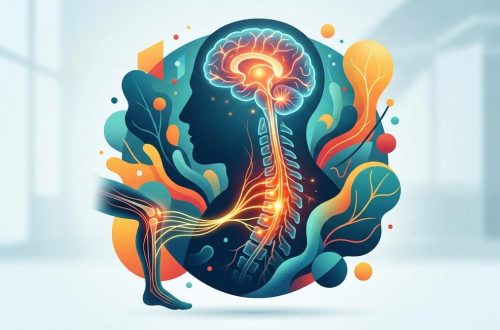
If you have been living with chronic pain, you have likely searched for answers beyond the usual pills and injections. You might have noticed that your digestive health seems to mirror your pain levels. Maybe certain foods trigger flare ups, or stress makes both your stomach and your joints ache. That is not a coincidence. In 2026, researchers are more certain than ever that your gut microbiome plays a central role in how your body perceives pain, how inflamed your tissues become, and even how your nervous system responds to injury. Understanding this connection can open the door to relief you never thought possible.
Your gut is not just for digestion. It regulates immune function, produces neurotransmitters, and controls inflammation. When the gut microbiome becomes unbalanced, it can trigger or worsen chronic pain conditions such as fibromyalgia, arthritis, and IBS. Improving gut health through diet, probiotics, and stress management offers a powerful, drug-free path to reducing pain. This article explains the science and gives you a practical plan to start feeling better today.
Your Gut is a Command Center for Your Whole Body
You have between 300 and 500 different species of bacteria living in your intestines. That ecosystem is called your microbiome, and it weighs about 3 pounds. It influences everything from your mood to your immune system. When the microbiome is healthy, it helps produce anti-inflammatory compounds, supports your gut lining, and helps your body process nutrients. When it is out of balance, it can become a factory for inflammation.
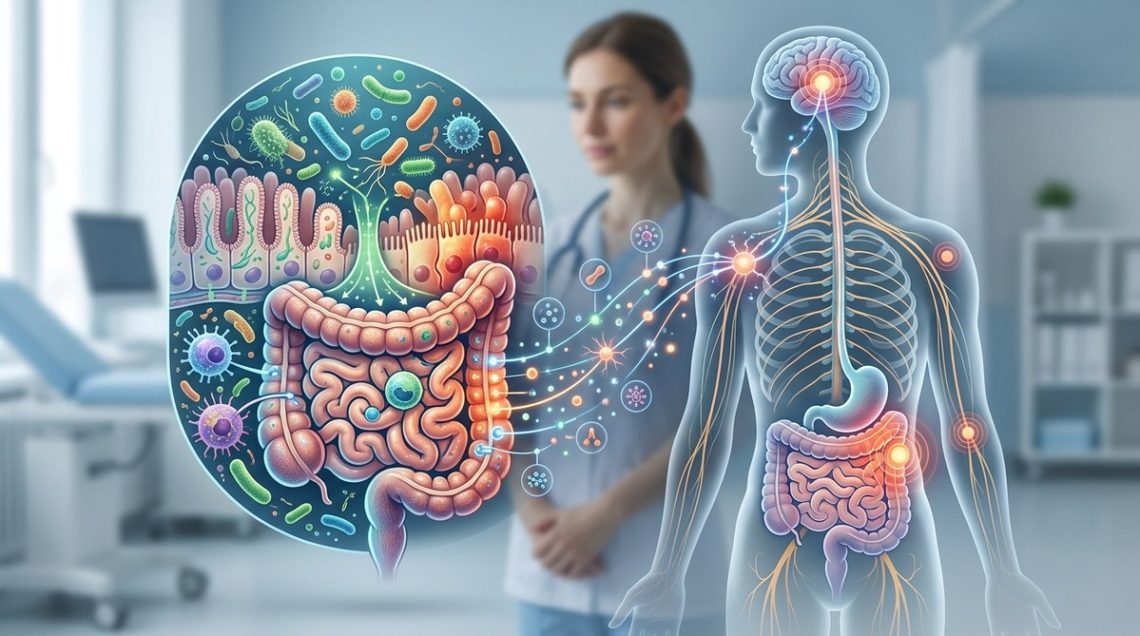
Think of your gut lining as a security gate. In a healthy gut, that gate keeps large food particles and toxins out of your bloodstream. But chronic stress, poor diet, antibiotics, and other factors can weaken that barrier. This is often called increased intestinal permeability, or leaky gut. When toxins and inflammatory molecules slip through, they can trigger immune responses that lead to widespread pain and fatigue.
The Gut-Brain-Pain Axis
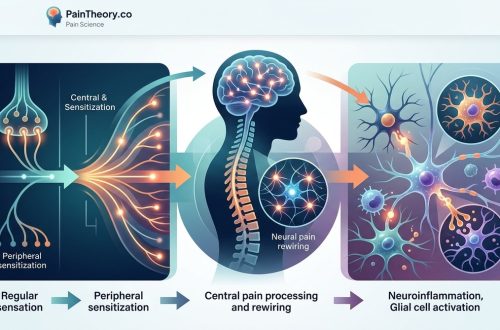
Your gut and your brain are in constant communication through a network called the gut-brain axis. They use the vagus nerve, hormones, and chemical messengers to talk. When your gut is inflamed, it sends danger signals to your brain. Your brain responds by dialing up pain sensitivity, a process called central sensitization.
This is why people with IBS often have higher pain sensitivity throughout their body, not just in their abdomen. The same communication pathway is involved in fibromyalgia, where the brain amplifies normal sensory signals. If your gut is constantly sending distress signals, your nervous system stays on high alert, and your pain never gets a chance to calm down.
“We used to think of chronic pain as a problem only in the brain or the joints. Now we understand that the gut can act as an ignition switch for whole body inflammation. Improving gut health is often the missing piece for patients who have tried everything else.” – Dr. Sarah Thompson, gastroenterologist specializing in chronic pain management.
How an Unhealthy Gut Fuels Chronic Inflammation
Inflammation is a normal healing response. But when it becomes chronic, it damages tissues and keeps pain pathways active. Your gut bacteria produce substances called short-chain fatty acids (SCFAs) when they digest fiber. SCFAs are powerful anti-inflammatory molecules. A diet low in fiber starves the good bacteria, reducing SCFA production and leaving you more vulnerable to inflammation.
Here are some signs that your gut health might be contributing to your pain:
- Bloating or gas after meals
- Irregular bowel movements (constipation or diarrhea)
- Food intolerances that seem to get worse over time
- Fatigue that never goes away
- Brain fog and trouble focusing
- Skin issues like eczema or acne
- Unexplained joint or muscle aches
- Mood swings or anxiety
If you recognize several of these, your gut may need attention.
Conditions Linked to Gut Dysbiosis
An imbalanced microbiome is associated with many chronic pain conditions. The table below shows the most common ones and how gut health plays a role.
| Condition | How Gut Dysbiosis Contributes | Dietary Focus |
|---|---|---|
| Fibromyalgia | Altered microbiome reduces SCFA production, increasing pain sensitivity | Anti-inflammatory diet, high fiber, omega-3s |
| Irritable Bowel Syndrome (IBS) | Imbalance in gut bacteria directly causes visceral pain and altered motility | Low FODMAP diet, probiotics, soluble fiber |
| Rheumatoid Arthritis | Leaky gut allows bacterial fragments into joints, triggering autoimmune inflammation | Mediterranean diet, elimination of trigger foods |
| Chronic Low Back Pain | Systemic inflammation from gut issues can worsen disc degeneration and nerve pain | Anti-inflammatory foods, enough fiber, limit processed foods |
| Migraines | Gut-brain axis disruption can trigger neurogenic inflammation and headache | Avoid triggers (aged cheeses, alcohol), increase magnesium and B vitamins |
| Endometriosis | Chronic inflammation driven by gut dysbiosis may worsen pelvic pain | High fiber, reduce red meat, support estrogen metabolism |
Practical Steps to Improve Your Gut and Reduce Pain
You can start improving your gut health today. The changes do not have to be drastic. Small, consistent steps make a big difference. Follow this numbered plan:
-
Eat 30 grams of fiber per day. Fiber feeds your good bacteria. Good sources are oats, beans, berries, leafy greens, and chia seeds. Increase gradually to avoid bloating.
-
Add fermented foods to your meals. Foods like yogurt, kefir, sauerkraut, kimchi, and kombucha contain live probiotics. Start with 1 serving per day.
-
Cut out ultra processed foods and added sugars. These feed harmful bacteria and yeast. They also promote inflammation. Try to limit sugary drinks, white bread, and packaged snacks.
-
Manage stress daily. Chronic stress damages the gut lining and reduces beneficial bacteria. Even 5 minutes of deep breathing or a short walk can help.
-
Stay hydrated. Water helps your digestive system run smoothly and supports the mucus lining of the gut.
-
Consider a high quality probiotic supplement. Look for strains like Lactobacillus rhamnosus, Bifidobacterium lactis, and Saccharomyces boulardii. Talk to your doctor first.
-
Get enough sleep. Sleep is when your body repairs tissues and balances inflammation. Aim for 7 to 9 hours per night.
What to Avoid: Common Gut Sabotaging Mistakes
Even with good intentions, certain habits can undo your progress. Watch out for these:
- Taking unnecessary antibiotics. They wipe out good bacteria along with bad ones. If you need them, consider taking a probiotic a few hours apart.
- Relying on antacids long term. Stomach acid is important for killing pathogens. Overusing antacids can alter your gut environment.
- Eating the same few foods every week. Variety in your diet promotes a diverse microbiome, which is healthier.
- Drinking alcohol in excess. Alcohol damages the gut lining and disrupts bacterial balance.
- Ignoring food sensitivities. Common triggers like gluten or dairy may worsen inflammation in some people. A short elimination diet can help you identify them.
When to Seek Professional Help
If you have persistent pain and gut issues, it is wise to work with a healthcare provider who understands the gut pain connection. A functional medicine doctor, registered dietitian, or gastroenterologist can run tests to check for dysbiosis, SIBO (small intestinal bacterial overgrowth), or food allergies. They can also guide you on supplements like probiotics, prebiotics, and digestive enzymes.
For a deeper look at how stress and emotions contribute to pain, read our article on can emotional stress actually cause physical back pain. And if you want to learn more about how diet affects inflammation, check out the anti-inflammatory diet for back pain.
A New Way Forward
The link between gut health and chronic pain is one of the most hopeful discoveries in modern medicine. It means that you have more control over your pain than you may realize. By focusing on the health of your microbiome, you can reduce inflammation, calm your nervous system, and create an environment where pain has a harder time taking root.
Start small. Pick one step from the list above and try it for a week. Notice how you feel. Your gut, and your entire body, will thank you.