If you have been diagnosed with uterine fibroids and you are thinking about starting a family, you have probably asked yourself one big question: Can I still get pregnant? The short answer is yes, for most women. But the longer answer depends on the size, location, and type of fibroids you have. This is not a topic where one-size-fits-all advice works. Your fertility journey is personal, and understanding the connection between fibroids and fertility is the first step toward making confident decisions about your future.
Fibroids do not automatically mean infertility, but they can interfere with conception and pregnancy depending on their location. Submucosal fibroids that distort the uterine cavity pose the highest risk. Many women with fibroids conceive naturally. For those who need help, treatments like myomectomy can preserve or improve fertility. Early evaluation and a personalized plan give you the best chance at a healthy pregnancy.
How Fibroids Actually Interfere with Conception
Fibroids are noncancerous growths in the muscle tissue of the uterus. They are incredibly common. By age 50, up to 80 percent of women have them. But not all fibroids cause fertility problems. The key factor is where they grow.
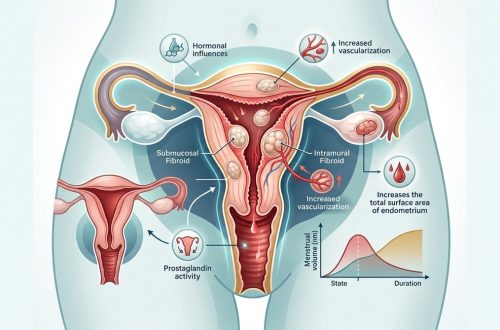
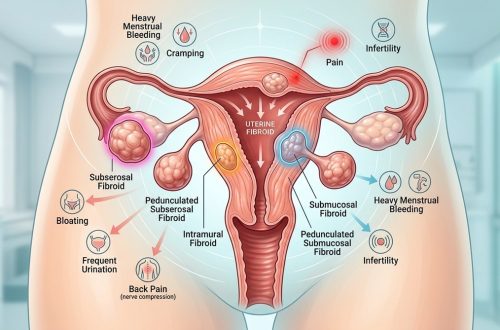
Submucosal fibroids grow just under the inner lining of the uterus. These are the ones most likely to affect your ability to get pregnant. They can change the shape of the uterine cavity, which makes it harder for an embryo to implant. Think of it like trying to stick a note on a bumpy wall. The surface is uneven, so the note does not stay.
Intramural fibroids grow within the muscular wall of the uterus. If they are large enough, they can block the fallopian tubes or change blood flow to the uterine lining. This can interfere with both conception and early pregnancy.
Subserosal fibroids grow on the outside of the uterus. These rarely affect fertility directly, unless they become very large and cause pressure on surrounding organs.
Fibroids can also cause heavy bleeding and inflammation. Chronic inflammation in the uterus creates an environment that is less welcoming for an embryo. Some research suggests that fibroids may even affect the way the uterus contracts, which could interfere with sperm transport.
Which Fibroids Matter Most for Fertility
Not all fibroids are created equal when it comes to family planning. Here is a clear breakdown of how different types affect your chances.
| Fibroid Type | Location | Fertility Impact | Common Treatment Approach |
|---|---|---|---|
| Submucosal | Under uterine lining | High risk. Distorts cavity, blocks implantation. | Hysteroscopic myomectomy |
| Intramural | Within uterine wall | Moderate risk if large. May affect blood flow. | Laparoscopic or abdominal myomectomy |
| Subserosal | Outside uterus | Low risk. Rarely affects fertility. | Usually monitored, not treated |
| Pedunculated | On a stalk | Very low risk. | Removal only if painful or twisted |
If you have been told you have fibroids, ask your doctor about the specific type and location. That information matters more than the total number of fibroids you have.
The Three-Step Process for Protecting Your Fertility
If you are planning a family and you have fibroids, here is a practical process to follow. This is not medical advice, but it mirrors what top fertility specialists recommend.
-
Get a full imaging evaluation. A standard ultrasound is a good start, but saline infusion sonography (SIS) or MRI gives a much clearer picture of the uterine cavity. These tests show whether the fibroids are distorting the space where an embryo would implant.
-
Assess your symptoms and timeline. Are you having heavy bleeding, pelvic pain, or pressure? How soon do you want to try to conceive? If you are in your late 30s or early 40s, time may be a bigger factor than fibroid size. Your ovarian reserve matters too.
-
Choose a fertility-sparing treatment if needed. If your fibroids are causing problems, myomectomy (surgical removal of fibroids) is the gold standard for preserving fertility. Unlike a hysterectomy, which removes the uterus entirely, myomectomy leaves your womb intact. For more on your options, read about effective non-surgical treatments for uterine fibroids.
Fertility Preservation: Myomectomy vs. Other Options
Myomectomy is not the only path forward, but it is the most common surgical option for women who want to get pregnant. The type of myomectomy you need depends on the location of your fibroids.
Hysteroscopic myomectomy is done through the cervix with no incisions. It is used for submucosal fibroids. Recovery is usually a few days. This is the least invasive option.
Laparoscopic myomectomy uses small incisions and a camera. It works well for intramural and subserosal fibroids that are not too large. Recovery is about two to four weeks.
Abdominal myomectomy is a larger incision, similar to a C-section. It is used for very large or numerous fibroids. Recovery takes six to eight weeks, but it allows the surgeon to remove fibroids that other methods cannot reach.
There are also non-surgical options like uterine artery embolization (UAE) and radiofrequency ablation. These shrink fibroids by cutting off their blood supply or using heat. However, many fertility specialists advise against these if you plan to get pregnant soon. They can affect blood flow to the ovaries and the uterine lining. For a deeper look at when surgery makes sense, check out when should you consider surgery for chronic pain relief.
Expert advice: “If you are planning a pregnancy, myomectomy is usually the preferred treatment for fibroids that distort the uterine cavity. Non-surgical options like embolization may compromise ovarian function and are generally reserved for women who are not planning future pregnancies.” — Dr. Linda Harper, reproductive endocrinologist
Can Fibroids Cause Pregnancy Complications?
Even if you conceive without trouble, fibroids can cause issues during pregnancy. The most common problems include:
- Pain. As the uterus stretches, fibroids can outgrow their blood supply. This causes a condition called red degeneration, which leads to severe pain. It usually resolves on its own with rest and pain management.
- Bleeding. Fibroids can cause spotting or heavier bleeding during the first trimester.
- Placental problems. If a fibroid is located near where the placenta attaches, it can increase the risk of placental abruption or previa.
- Preterm labor. Large fibroids may trigger contractions or limit the space the baby has to grow.
- Malpresentation. Fibroids can block the baby from moving into a head-down position, increasing the chance of a breech birth and C-section.
Most women with fibroids have healthy pregnancies. But it is smart to work with a maternal-fetal medicine specialist if your fibroids are large or numerous.
The Role of Hormones in Fibroid Growth
Estrogen and progesterone fuel fibroid growth. That is why fibroids often grow during pregnancy, when hormone levels are high, and shrink after menopause. This hormone connection also explains why fibroids tend to be more aggressive in younger women.
If you are planning a pregnancy, you cannot avoid the hormone surge that comes with it. But you can prepare by shrinking or removing problematic fibroids beforehand. Some women also use GnRH agonists (like Lupron) for a few months before surgery to shrink fibroids and reduce bleeding. These medications create a temporary menopause state. They are not a long-term solution, but they can make surgery easier.
For natural approaches to managing symptoms, you might find value in anti-inflammatory foods that may reduce fibroid symptoms.
When to See a Fertility Specialist
You do not need to wait until you have been trying for a year. If you know you have fibroids, especially submucosal or large intramural ones, see a reproductive endocrinologist before you start trying. They can do a full workup that includes:
- Ovarian reserve testing (AMH, FSH)
- Hysterosalpingography (HSG) to check fallopian tubes
- Saline infusion sonography to map the uterine cavity
- A discussion of your personal timeline
If you are over 35, the timeline for trying to conceive naturally is shorter. Many specialists recommend seeing a fertility expert after six months of trying, or sooner if you have known fibroids.
Lifestyle Factors That Support Fertility with Fibroids
While lifestyle changes cannot make fibroids disappear, they can support overall reproductive health. Here are some evidence-backed strategies:
- Maintain a healthy weight. Fat cells produce estrogen. Excess body fat can raise estrogen levels, which may fuel fibroid growth.
- Eat an anti-inflammatory diet. Focus on vegetables, fruits, whole grains, and omega-3 fatty acids. Limit red meat and processed foods.
- Exercise regularly. Moderate exercise lowers estrogen levels and improves insulin sensitivity. Both of these help with fibroid management.
- Manage stress. High cortisol levels can throw off your entire hormonal balance. Stress management is not optional when you are trying to conceive.
For a complete look at natural strategies, read about how to shrink fibroids naturally.
Common Myths About Fibroids and Fertility
There is a lot of misinformation out there. Let us clear up a few myths.
Myth: Fibroids always cause infertility.
Fact: Many women with fibroids conceive easily. It depends on the location and size.
Myth: You cannot get pregnant after fibroid treatment.
Fact: Most fibroid treatments, especially myomectomy, are designed to improve fertility.
Myth: All fibroids need to be removed before pregnancy.
Fact: Only fibroids that distort the uterine cavity or cause significant symptoms need treatment. Small fibroids that are not in the way can be left alone.
Myth: A C-section is always required if you have fibroids.
Fact: Many women with fibroids deliver vaginally. A C-section is only needed if fibroids block the birth canal or cause other complications.
Signs That Your Fibroids Might Be Affecting Your Fertility
Some women have no symptoms at all. But if you notice any of the following, it is worth getting checked out:
- Heavy or prolonged menstrual bleeding
- Pelvic pain or pressure
- Frequent urination or difficulty emptying your bladder
- Pain during sex
- A feeling of fullness in your lower abdomen
- Repeated miscarriages
If you are experiencing any of these, especially if you are trying to conceive, do not wait. Early intervention makes a difference. You can also learn more about the 7 early warning signs of fibroids most women ignore.
What to Ask Your Doctor at Your Next Appointment
Walking into a doctor’s office with a list of questions helps you get the answers you need. Here is what to ask:
- What type of fibroids do I have, and where are they located?
- Are any of my fibroids distorting the uterine cavity?
- Do you recommend treatment before I try to conceive?
- If so, what treatment option is best for preserving my fertility?
- How long should I wait after treatment before trying to get pregnant?
- Should I see a reproductive endocrinologist?
Your Family Planning Roadmap for 2026
If you are reading this in 2026, the landscape for fibroid treatment is better than ever. Minimally invasive techniques continue to improve. Fertility preservation options are more accessible. And awareness about the fibroid-fertility connection is higher than it has ever been.
Here is your simple roadmap:
- Step 1: Confirm your fibroid type and location with proper imaging.
- Step 2: Discuss your fertility timeline with your gynecologist.
- Step 3: If needed, pursue a fertility-sparing treatment like myomectomy.
- Step 4: Work with a fertility specialist if you have trouble conceiving after treatment.
- Step 5: Prioritize your overall health with diet, exercise, and stress management.
Your Fertility Is Still Possible
Hearing that you have fibroids can feel like a roadblock. But it does not have to be the end of your family planning dreams. Thousands of women every year conceive and deliver healthy babies after fibroid treatment. The key is getting the right information early and working with doctors who understand both fibroids and fertility.
You deserve a plan that respects your goals, your timeline, and your body. Start with the right questions, get the right imaging, and move forward with confidence. Your future family is worth it.