If you have been told you have uterine fibroids or you suspect they are behind your heavy periods, you are not alone. Millions of women in the United States deal with this exact problem. The bleeding can be so heavy that it interferes with work, exercise, and time with family. But here is the question that keeps coming up: why do fibroids cause heavy bleeding? Understanding the science behind your symptoms is the first step toward finding real relief.
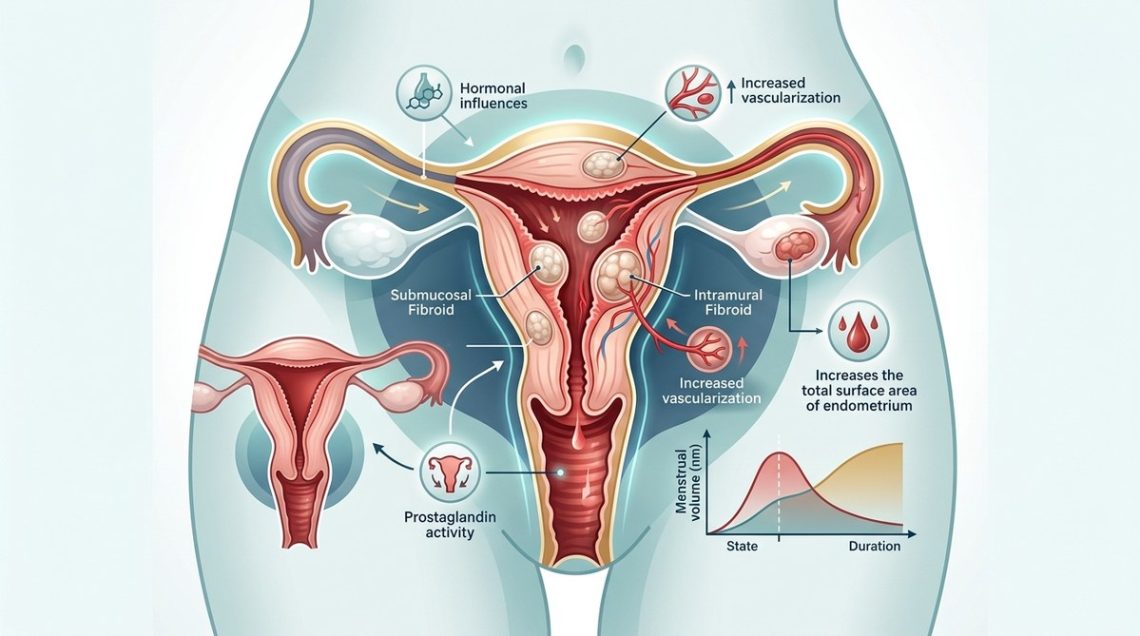
Uterine fibroids cause heavy bleeding through several biological pathways. They distort the uterine lining, creating a larger surface area that bleeds more during menstruation. Fibroids also release chemicals called angiogenic factors that grow extra blood vessels, and they disrupt the normal hormonal signals that tell your body when to stop shedding the lining. Understanding these mechanisms helps you choose the right treatment for your body.
What Are Uterine Fibroids, Really?
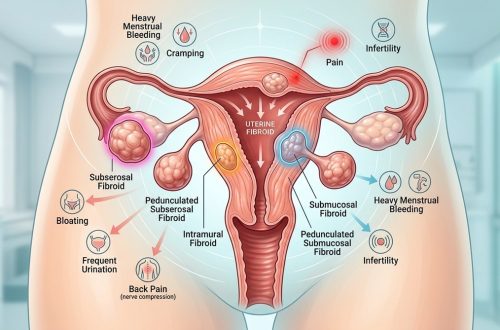
Fibroids are noncancerous growths that develop in or on the uterus. They are made of muscle and fibrous tissue. Think of them as benign tumors that range in size from a pea to a melon. Some women have one fibroid; others have a cluster. They can grow on the outer wall of the uterus, deep inside the muscle, or right under the lining.
The location matters a lot when it comes to bleeding. Submucosal fibroids, the ones that grow just beneath the uterine lining, are the most likely to cause heavy periods. They press into the endometrial cavity and change how your uterus works during your cycle.
The Main Biological Reasons Fibroids Cause Heavy Bleeding
1. They Increase the Surface Area of the Uterine Lining
Your period happens when the uterine lining, called the endometrium, sheds each month. Normally, this lining is about the size of your palm. When a fibroid pushes into the cavity, it stretches that lining. The endometrium now covers the fibroid itself, adding extra surface area. More lining means more tissue to shed. More shedding means more blood.
This is the simplest explanation for why fibroids cause heavy bleeding. But it is not the only one.
2. Fibroids Create Extra Blood Vessels
Fibroids are not passive lumps. They actively recruit blood supply. They release proteins called angiogenic factors, especially vascular endothelial growth factor (VEGF). These proteins tell your body to grow new blood vessels directly into the fibroid.
This network of extra vessels is fragile. They do not constrict well when your period starts. Normal uterine arteries clamp down to stop bleeding after the lining sheds. The vessels feeding a fibroid do not get that memo. They keep bleeding.
3. They Disrupt the Normal Clotting Process
Your body relies on a delicate balance of clotting factors to stop menstrual bleeding. Fibroids interfere with this system. They produce substances called plasminogen activators that break down blood clots before they can form properly. This keeps the bleeding going longer than it should.
A 2021 study in the journal Human Reproduction found that women with submucosal fibroids had significantly higher levels of these clot-busting proteins compared to women without fibroids. The result is a period that feels like it will never stop.
4. Hormonal Signals Get Mixed Up
Fibroids are hormone-sensitive. They have receptors for estrogen and progesterone. When your estrogen levels rise during the first half of your cycle, fibroids grow. When progesterone levels rise after ovulation, fibroids can also respond.
This hormonal dance affects the uterine lining. Fibroids can cause the endometrium to thicken more than normal. A thicker lining means a heavier period when it finally sheds. Some research suggests fibroids also alter the balance of prostaglandins, the chemicals that control uterine contractions and blood flow.
How Heavy Is Too Heavy? A Practical Guide
Many women wonder if their bleeding is normal. Here is a simple way to check.
| Symptom | Normal Period | Heavy Period (Possible Fibroid) |
|---|---|---|
| Pad or tampon changes | Every 4 to 6 hours | Every 1 to 2 hours |
| Total blood loss per cycle | 30 to 40 milliliters | 80 milliliters or more |
| Period length | 3 to 7 days | Longer than 7 days |
| Clot size | Smaller than a dime | Larger than a quarter |
| Anemia symptoms | Rare | Common (fatigue, pale skin) |
If you recognize yourself in the right column, it is worth talking to your doctor. Heavy bleeding from fibroids can lead to iron deficiency anemia, which adds fatigue and brain fog to your list of symptoms.
The Step-by-Step Process of Fibroid Bleeding
Here is how the whole chain of events unfolds during your period.
- Hormone levels drop. Estrogen and progesterone fall, signaling the uterine lining to shed.
- Normal arteries constrict. Healthy uterine blood vessels clamp down to limit bleeding.
- Fibroid vessels stay open. The extra blood vessels feeding the fibroid do not constrict properly. They continue to bleed.
- Clots dissolve too fast. The fibroid releases chemicals that break down clots before they can seal the bleeding vessels.
- The lining takes longer to shed. Because the surface area is larger and the blood supply is richer, the shedding process drags on.
- Blood loss accumulates. Over several days, you lose significantly more blood than a woman without fibroids.
What You Can Do About It
Understanding the biology is empowering. It helps you ask better questions at your doctor’s appointment. Here are the most common approaches doctors recommend for heavy bleeding caused by fibroids.
- Hormonal birth control. Pills, patches, or hormonal IUDs can thin the uterine lining and reduce bleeding. They do not shrink fibroids, but they can make periods lighter.
- Tranexamic acid. This medication helps your blood clot more effectively. It is taken during your period and can cut blood loss by half.
- Gonadotropin-releasing hormone (GnRH) agonists. These drugs temporarily lower estrogen, which shrinks fibroids and stops bleeding. They are usually used for short periods before surgery.
- Uterine artery embolization. A radiologist inserts a thin catheter into the blood vessels feeding the fibroid and releases tiny particles that block the blood supply. The fibroid shrinks over time.
- Myomectomy. A surgeon removes the fibroids while leaving the uterus intact. This is the most common surgical option for women who want to preserve fertility.
“The most important thing is to get an accurate diagnosis. An ultrasound can tell you how many fibroids you have, where they are located, and how big they are. That information guides every treatment decision.” Dr. Rachel Simmons, OB-GYN and author of The Fibroid Solution
Common Mistakes When Trying to Manage Fibroid Bleeding
It is easy to fall into traps when you are desperate for relief. Here are some missteps to avoid.
- Relying solely on over-the-counter pain relievers. Ibuprofen can reduce cramping and slightly decrease bleeding, but it will not address the underlying cause.
- Waiting too long to see a specialist. Many women suffer for years before seeking help. Heavy bleeding is not something you have to tolerate.
- Assuming surgery is the only option. Nonsurgical treatments like tranexamic acid or hormonal IUDs can be very effective for many women.
- Ignoring iron levels. Heavy bleeding depletes your iron stores. Get your ferritin checked. Low iron makes everything harder.
When to Call Your Doctor
You should see your healthcare provider if your period lasts longer than seven days, if you soak through a pad or tampon in under two hours, or if you pass clots larger than a quarter. Also call if you feel faint, dizzy, or unusually tired during your period. These are signs that you are losing too much blood.
Your doctor will likely order an ultrasound to confirm the presence of fibroids. From there, you can discuss treatment options that fit your health goals and timeline.
Putting the Science to Work for You
You now know that fibroids cause heavy bleeding through multiple pathways: extra surface area, fragile blood vessels, disrupted clotting, and hormonal chaos. Each of these mechanisms is a potential target for treatment.
If you are ready to take the next step, start by tracking your periods for a month. Note the heaviness, the duration, and the size of any clots. Bring that log to your appointment. It gives your doctor concrete data to work with.
For more guidance, check out our guide on 7 early warning signs of fibroids most women ignore until it’s too late. And if you are weighing your treatment options, our article on should you get a hysterectomy for fibroids? can help you make an informed choice.
You Deserve Answers and Relief
Heavy bleeding from fibroids is not a life sentence. It is a medical condition with clear causes and effective treatments. The science behind your symptoms is complex, but your path forward does not have to be. Start with a good doctor, a solid diagnosis, and a treatment plan that addresses the biology we discussed here. Your body is telling you something important. Listen to it, and then take action. You have the knowledge now. Use it to get the care you deserve.