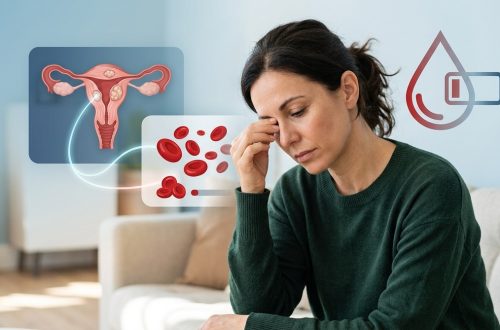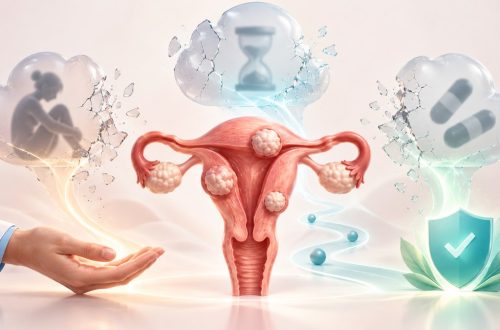
You know that feeling when your period arrives and suddenly your fibroid pain goes from a dull background ache to something that stops you mid-step. It is not in your head. For so many women, the cramping, the pressure, the sharp twinges all seem to turn up the volume right alongside their menstrual flow. The connection between your cycle and your fibroid pain is real, and it is rooted in biology.
Your fibroid pain during period flares because of shifting hormones, increased blood flow to the pelvis, and inflammation triggered by your menstrual cycle. Estrogen and prostaglandins make fibroids more sensitive and your uterus more reactive. Understanding this cycle can help you predict pain, choose better treatments, and know when to call your doctor.
What Actually Happens Inside Your Body During Your Period
Your menstrual cycle is a carefully timed hormonal dance. Each phase changes the environment inside your uterus. For someone with fibroids, these changes can turn a normal period into a painful event.
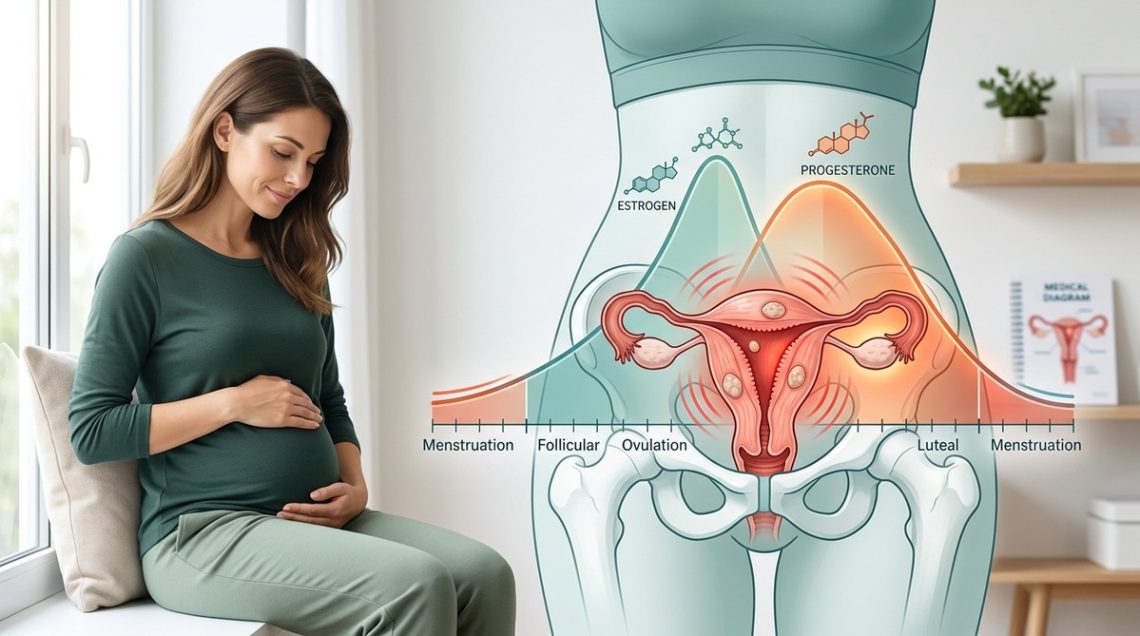
During the first half of your cycle, estrogen levels rise. This hormone tells the lining of your uterus to thicken. But estrogen also stimulates fibroid tissue. Fibroids have more estrogen receptors than the surrounding uterine muscle. When estrogen goes up, fibroids can swell and become more sensitive.
Right before your period, estrogen and progesterone drop sharply. This drop triggers the release of chemicals called prostaglandins. These chemicals cause the uterine muscle to contract. The contractions help shed the lining, but they also squeeze against any fibroids in the area. If your fibroid is large or located near the cervix, that squeezing creates real pain.
During your period itself, blood flow to the pelvis increases. More blood means more pressure inside an already crowded space. Fibroids can block blood vessels or press on nerves. When your period arrives, that pressure often becomes unbearable.
Why Fibroid Pain During Period Feels Different from Normal Cramps
Many women describe fibroid pain as heavier, sharper, or more localized than regular menstrual cramps. Here is why.
Normal period cramps come from the uterine muscle contracting. It is a general, diffuse ache. Fibroid pain adds another layer. The fibroid itself may press on nerves, the bladder, or the bowel. That pressure creates specific points of pain that do not feel like typical cramping.
Some women also experience a sensation of fullness or heaviness in the lower belly. This happens because fibroids take up space. When the uterus swells with blood during your period, that space gets even tighter.
If your fibroid is on the back of the uterus (toward your spine), you might feel lower back pain that gets much worse during your period. If it is on the front, you might feel pressure on your bladder and need to urinate more often.
The Role of Prostaglandins in Making Pain Worse
Prostaglandins are hormone-like substances that your body makes to trigger labor, start your period, and control inflammation. They are a major reason why your fibroid pain during period spikes.
When prostaglandin levels rise, they cause the uterine muscle to contract more forcefully. For a woman without fibroids, these contractions are uncomfortable but manageable. For a woman with fibroids, the contractions push against a firm mass. That increases tension in the muscle and activates more pain receptors.
Some fibroids also produce their own prostaglandins. This means the area around the fibroid may have even higher levels of these pain-triggering chemicals. The result is a localized hot spot of pain that flares every month.
How Inflammation Amplifies Your Pain Each Cycle
Inflammation is another piece of the puzzle. Your body sees the menstrual shedding process as a kind of injury. Immune cells rush in to clean up and repair the tissue. This process releases inflammatory chemicals like cytokines.
Fibroids are already associated with low-grade inflammation. When your period starts, that inflammation ramps up. The combination of physical pressure, chemical irritation, and immune activity creates a perfect storm for pain.
Many women notice that their fibroid pain during period is worst on days two and three. That is when blood flow is heaviest and inflammation is peaking.
A Simple Breakdown of Your Painful Cycle
Let us put it all together in a timeline so you can see exactly when and why pain hits.
| Cycle Phase | What Happens | How It Feels |
|---|---|---|
| Late luteal (before period) | Estrogen and progesterone drop. Prostaglandins rise. | Dull ache, tenderness, bloating begins. |
| Day 1 of period | Uterine contractions start. Blood flow increases. Fibroid swells. | Sharp cramps, pressure, heavy bleeding. |
| Days 2 to 3 | Peak blood flow. Peak inflammation. Highest prostaglandin levels. | Worst pain. Intense cramping, back pain, or pelvic pressure. |
| Days 4 to 5 | Bleeding slows. Inflammation decreases. | Pain gradually fades. |
This timeline explains why your fibroid pain during period is not random. It follows a predictable pattern. Once you recognize that pattern, you can prepare for it.
Practical Steps to Reduce Fibroid Pain During Your Period
You do not have to just endure the pain. There are real strategies that can help you feel better during those tough days.
1. Use anti-inflammatory medication strategically
Nonsteroidal anti-inflammatory drugs (NSAIDs) like ibuprofen block prostaglandins. Taking them before your pain peaks can reduce the intensity of contractions. Start taking them the day before your period is due, and continue for the first two to three days. Always follow the label instructions and check with your doctor if you have any health conditions.
2. Apply heat directly to the pain
A heating pad or warm compress on your lower belly or lower back can relax tense muscles and improve blood flow. Heat does not shrink fibroids, but it can make the pain much more manageable. Some women find that alternating heat and cold helps even more.
3. Try gentle movement
Light walking or stretching can reduce pelvic congestion. When you sit still, blood pools in your pelvis and increases pressure. Movement helps circulate that blood. If you want to explore safe movement options, read our guide on can you exercise with fibroids.
4. Adjust your sleep position
Sleeping on your side with a pillow between your knees can take pressure off your pelvis. Avoid sleeping on your stomach, which can compress your lower abdomen. For more tips, check out our advice on sleep positions that won’t aggravate your back pain.
5. Track your symptoms
Keep a simple log of your pain levels each day of your cycle. Over a few months, you will see a clear pattern. This helps you know exactly when to use medication, apply heat, or rest. It also gives your doctor useful information if you decide to seek treatment.
When to See a Doctor About Fibroid Pain During Period
Sometimes self-care is not enough. You should talk to a healthcare provider if:
- Your pain is so severe that you cannot go to work or school.
- Over-the-counter medication does not help.
- You are soaking through a pad or tampon every hour.
- You feel pain that radiates into your lower back or down your legs.
- Your symptoms have gotten worse over the last few cycles.
A doctor can run imaging tests to see the size and location of your fibroids. They can also discuss treatment options like hormonal birth control, tranexamic acid, or procedures to remove or shrink the fibroids.
If you are trying to decide between treatments, our article on should you get a hysterectomy for fibroids can help you weigh your options. For less invasive approaches, see effective non-surgical treatments for uterine fibroids you should know.
Expert advice: “Many women do not realize that fibroid pain is not just about the size of the growth. Location matters just as much. A small fibroid near the cervix can cause more pain during your period than a large one higher in the uterus. Always ask your doctor for the exact location of your fibroids, not just their size.”
How Your Diet Can Help During Your Period
What you eat during your period can either help or hurt your pain levels. Certain foods increase inflammation. Others help calm it down.
- Foods that may help: Leafy greens, berries, fatty fish like salmon, turmeric, ginger, and foods rich in magnesium like nuts and seeds.
- Foods that may worsen pain: Processed meats, fried foods, sugary snacks, and excessive dairy.
For a full list of anti-inflammatory options, read our guide on anti-inflammatory foods that may reduce fibroid symptoms.
Staying hydrated is also important. Dehydration can make muscle cramps worse. Aim for water, herbal teas, and broths during your period.
What About Hormonal Birth Control?
Hormonal birth control can help some women with fibroid pain. Pills, patches, or hormonal IUDs can make periods lighter and less painful. They work by stabilizing hormone levels and reducing the buildup of the uterine lining.
But birth control does not shrink fibroids. It only affects the symptoms. Some women find that their pain improves significantly. Others notice no change. If you are considering this option, talk to your gynecologist about which type might work best for you.
Understanding the Difference Between Fibroid Pain and Endometriosis
It is common for women to wonder if their pain is from fibroids or from endometriosis. Both conditions can cause severe period pain, but they work differently.
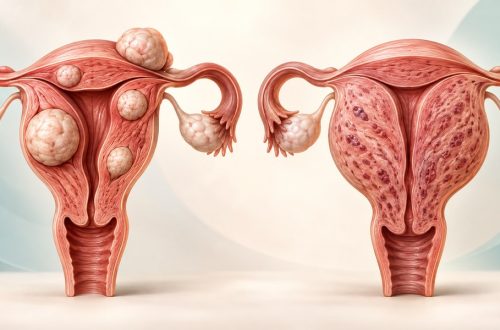
Fibroids are growths inside or on the uterus. Endometriosis is tissue similar to the uterine lining growing outside the uterus. The treatments are different. If you are unsure which one you have, read fibroid pain vs. endometriosis to learn how to tell them apart.
A Note on Pain and Your Emotional Health
Living with monthly fibroid pain is exhausting. It is not just physical. The anticipation of pain, the disruption to your life, and the feeling of being out of control can take a toll on your mental health.
If you find yourself feeling anxious or depressed around your period, you are not alone. Many women with chronic pain experience this. Building a support system and learning stress management techniques can make a real difference.
Putting Your Knowledge into Action
You now understand why your fibroid pain during period flares up. It is not random. It is tied to hormones, blood flow, inflammation, and the physical presence of the fibroid itself. That knowledge gives you power.
You can predict when the worst pain will hit. You can prepare with medication, heat, and rest. You can track your symptoms and have a real conversation with your doctor. And you can make choices about diet, movement, and treatment that actually target the root causes.
Your period does not have to be a mystery or a source of dread. By understanding the science behind your pain, you can take control of your monthly experience and find relief that works for you.