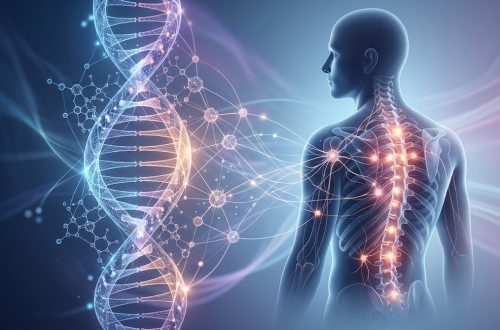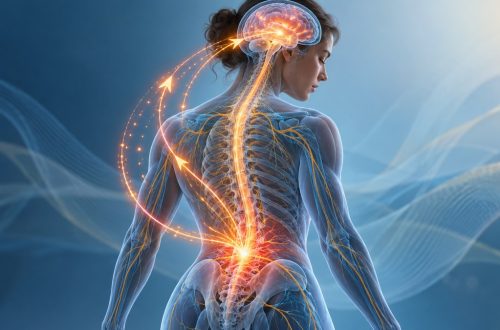
If you have noticed that your pain levels shift with your menstrual cycle, spike during menopause, or worsen during times of high stress, you are not imagining things. Your hormones and chronic pain sensitivity are deeply connected. Research shows that hormonal fluctuations can directly influence how your brain processes pain signals, making some days feel manageable and others unbearable. For many women in their 30s, 40s, and 50s, this connection becomes impossible to ignore. The good news is that understanding this link gives you a powerful tool for managing your symptoms. By learning how your hormones affect your pain, you can start working with your body instead of against it.
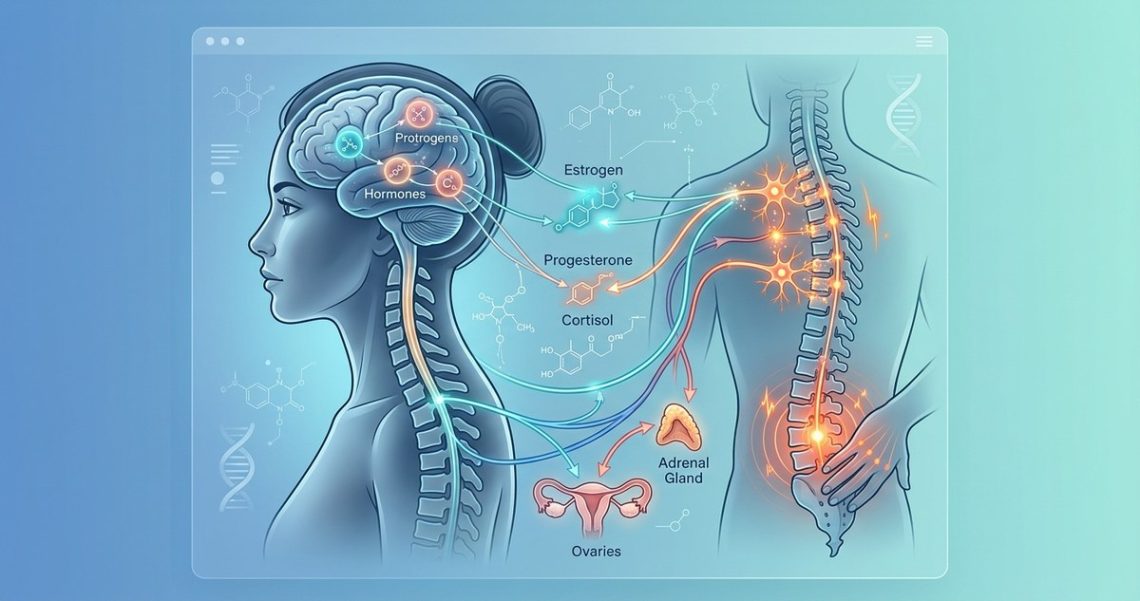
Hormones like estrogen, progesterone, and cortisol play a major role in how your body experiences pain. Estrogen can amplify pain sensitivity, while progesterone sometimes offers protection. Cortisol, the stress hormone, can worsen chronic pain when levels stay high. Tracking your cycle, managing stress, and working with a healthcare provider who understands this connection can help you find real relief. You are not broken. Your hormones are just influencing your nervous system in ways you can learn to manage.
The Biological Bridge Between Hormones and Pain
Your body has a built-in communication system. Hormones are chemical messengers that travel through your bloodstream, telling different organs and systems how to behave. They influence your mood, your metabolism, your sleep, and yes, your pain. The relationship between hormones and chronic pain sensitivity is not a simple one. It is a complex dance that involves your endocrine system, your nervous system, and your immune system all talking to each other at once.
Estrogen is one of the main players. This hormone has a direct effect on your pain receptors, which are specialized nerve endings that detect harmful stimuli. When estrogen levels fluctuate, your pain receptors can become more sensitive. That means a sensation that might normally feel like mild pressure can suddenly feel like sharp pain. For women with conditions like fibroids or endometriosis, these fluctuations can make symptoms significantly worse. If you want to understand more about how estrogen drives pain in specific conditions, you can read about the estrogen-pain connection and how hormones amplify chronic pain in women.
Progesterone, on the other hand, often has a calming effect on the nervous system. It can reduce inflammation and help stabilize pain signals. When progesterone levels drop, as they do right before your period, you may feel a sudden spike in pain. This is why many women report that their chronic pain flares up during the late luteal phase of their cycle.
Cortisol is the stress hormone. When you are under chronic stress, your body produces too much cortisol. Over time, high cortisol levels can actually increase inflammation and make your nervous system more reactive to pain. This creates a vicious cycle. You are in pain, so you feel stressed. The stress raises your cortisol. The cortisol makes your pain worse. And the cycle continues.
How Your Menstrual Cycle Affects Pain Sensitivity
Your menstrual cycle is a monthly hormonal roller coaster. Understanding how each phase affects your pain can help you plan your life and your treatments more effectively.
- Follicular phase (days 1 to 14): Estrogen starts low and rises slowly. Many women feel less pain during this phase. It is often a good time for physical activity and social events.
- Ovulation (around day 14): Estrogen peaks sharply. Some women feel a spike in pain sensitivity right at ovulation. Others feel a temporary sense of well-being.
- Luteal phase (days 15 to 28): Progesterone rises and then falls. If you do not become pregnant, both estrogen and progesterone drop rapidly. This drop is when many women experience their worst pain. Headaches, back pain, pelvic pain, and joint pain all tend to worsen during this window.
- Menstruation (days 1 to 5): Hormones are at their lowest. For some, this brings relief after the premenstrual flare. For others, the cramping and inflammation of the period itself creates a different kind of pain.
If you have fibroids, you may notice that your pain follows a similar pattern. The link between your cycle and your symptoms is real. You can learn more about why your fibroids hurt more during certain times of your cycle.
The Menopause Shift and Chronic Pain
Menopause is another major hormonal transition. As estrogen levels decline, many women report new or worsening chronic pain. Joint pain, back pain, and generalized muscle aches become more common. This is not just a sign of aging. It is a direct result of losing the protective effects of estrogen on your pain receptors and your joints.
The transition into menopause, called perimenopause, can be especially difficult. Hormone levels swing wildly from month to month. One week you might feel fine. The next week, your pain is through the roof. This unpredictability can be frustrating, but it is also a clue. If your pain started or worsened during perimenopause, hormones are almost certainly involved.
Some women find relief with hormone replacement therapy (HRT). Others prefer lifestyle changes like anti-inflammatory diets, strength training, and stress management. There is no one-size-fits-all answer. But knowing that your hormones are part of the picture can help you ask the right questions at your next doctor’s appointment.
Stress, Cortisol, and the Pain Amplification Loop
Stress does not just make you feel anxious. It changes your biology. When you are stressed, your body releases cortisol to help you handle the threat. That is useful if you are running from a bear. But when stress is chronic, your cortisol levels stay high all the time. And high cortisol does two things that make pain worse.
First, it increases inflammation. Cortisol tells your immune system to stay on alert, which means more inflammatory chemicals are circulating in your body. Inflammation is a known driver of pain in conditions like fibroids, back pain, and arthritis. Second, cortisol changes how your brain processes pain. It makes your central nervous system more sensitive, a condition called central sensitization. If you want to understand this process in more detail, you can read about the role of central sensitization in chronic pain and what every patient should know.
Breaking this loop requires addressing both the pain and the stress. Techniques like deep breathing, gentle movement, and therapy can lower cortisol levels over time. Even five minutes of focused breathing each day can start to shift your nervous system out of fight-or-flight mode.
Practical Steps to Manage Hormonal Pain Sensitivity
You can take action today. Here is a numbered list of steps that can help you manage the connection between your hormones and your chronic pain.
- Track your cycle and your pain. Use a simple app or a paper calendar. Note the day of your cycle and rate your pain on a scale of 1 to 10. Do this for at least three months. You will start to see patterns. Knowing when your pain is likely to spike helps you prepare.
- Work with a hormone-aware provider. Not all doctors understand the link between hormones and pain. Look for a gynecologist, endocrinologist, or pain specialist who asks about your cycle and your stress levels. Bring your tracking data to the appointment.
- Prioritize stress management. This is not a suggestion. It is a treatment. Lowering your cortisol levels directly reduces pain sensitivity. Try meditation, gentle yoga, walking in nature, or simply sitting quietly with a cup of tea for ten minutes a day.
- Adjust your activity levels. During the low-pain phases of your cycle, be more active. During the high-pain phases, give yourself permission to rest. This is not laziness. It is smart management of your biology.
- Consider dietary changes. Anti-inflammatory foods like leafy greens, fatty fish, berries, and nuts can help stabilize your pain levels. Avoid processed foods, sugar, and excessive caffeine, which can spike cortisol and worsen inflammation. You can find a full guide on how to create an anti-inflammatory meal plan for fibroid and back pain relief.
Common Mistakes When Managing Hormonal Pain
Many women try to manage their pain without understanding the hormonal piece. Here is a table that shows common mistakes and what to do instead.
| Common Mistake | Why It Fails | Better Approach |
|---|---|---|
| Ignoring cycle patterns | You treat all days the same, missing the window when your pain is naturally lower. | Track your cycle and plan your week around your pain patterns. |
| Pushing through pain every day | You increase cortisol and inflammation, making your nervous system more sensitive. | Rest when your pain flares. Activity is good, but not at the cost of recovery. |
| Only treating symptoms with medication | Pills mask the pain without addressing the hormonal root cause. | Combine medication with lifestyle changes that target hormone balance. |
| Avoiding all movement | Inactivity weakens muscles and increases joint stiffness, which worsens pain. | Do gentle, low-impact movement like walking, swimming, or stretching. |
| Not discussing hormones with your doctor | You miss out on treatments like HRT or hormonal birth control that could help. | Bring up your cycle and pain patterns at every medical appointment. |
What Experts Say About Hormones and Pain
“The connection between hormones and pain is one of the most underappreciated factors in chronic pain management. Women are told their pain is normal or that it is all in their head. But the science is clear. Estrogen receptors are found throughout the pain pathway, from the peripheral nerves to the spinal cord to the brain. When we ignore hormones, we ignore a major driver of pain.” Dr. Megan Collins, pain researcher and author of Unpacking Pain.
This is not a fringe idea. Major medical institutions are starting to take the link seriously. Studies published in journals like Pain and The Journal of Neuroscience have shown that estrogen can directly modulate pain signaling. The more we learn, the clearer it becomes that treating chronic pain in women requires a hormone-aware approach.
Putting It All Together: Your Next Steps
You do not have to figure this out alone. The link between hormones and chronic pain sensitivity is real, and it is something you can work with. Start by tracking your cycle and your pain for one month. Notice the patterns. Then bring that information to a healthcare provider who listens.
If you are dealing with specific conditions like fibroids, back pain, or pelvic pain, there are targeted strategies that can help. For example, understanding why your lower back pain gets worse at night can help you adjust your sleep environment. And learning about effective non-invasive treatments for chronic back pain and fibroids can open up new options you may not have considered.
Your body is not your enemy. It is sending you signals. The more you understand those signals, the more control you have. You deserve care that takes your whole biology into account. Start today by paying attention to your cycle, lowering your stress, and finding a provider who gets it. Your pain does not define you. But understanding it can set you free.