If you have been told your pain is “all in your head,” you are not alone. And the truth is more complicated than that phrase suggests. Your pain is real. But the source might not be where your doctor expected to find it. For millions of Americans living with fibromyalgia, complex regional pain syndrome, or chronic back pain, the problem is not always damaged tissue. Sometimes, the problem is a nervous system that learned to keep shouting long after the fire went out. That is the reality of central sensitization chronic pain.
Central sensitization chronic pain happens when your spinal cord and brain become hyper-responsive to signals, turning normal sensations into pain. It explains why conditions like fibromyalgia and chronic back pain persist without visible tissue damage. Treatment focuses on retraining the nervous system through graded movement, sleep hygiene, stress management, and targeted therapies rather than surgery or opioids.
What Is Central Sensitization? A Simple Explanation
Think of your nervous system like a home security system. Normally, the alarm only goes off when someone breaks a window. With central sensitization, the alarm is so sensitive that a leaf brushing against the glass sets it off. And once triggered, the alarm keeps ringing even when the leaf is gone.
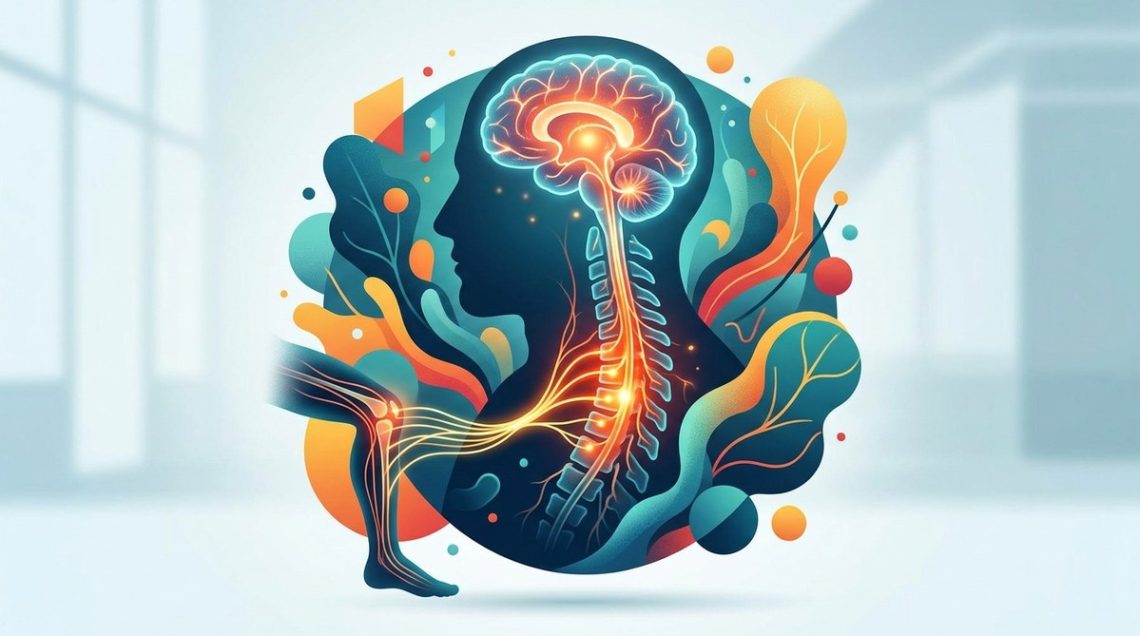
In medical terms, central sensitization is a condition where your central nervous system (your brain and spinal cord) becomes hypersensitive. It amplifies sensory input. A light touch can feel like burning. A gentle stretch can register as tearing. This is not imagination. This is a measurable change in how your neurons fire.
Your pain receptors (nociceptors) may have stopped sending danger signals from your tissues. But your central nervous system keeps broadcasting the alarm anyway. That is why you can have severe pain even when an MRI shows no torn muscle or herniated disc.
How Central Sensitization Chronic Pain Develops
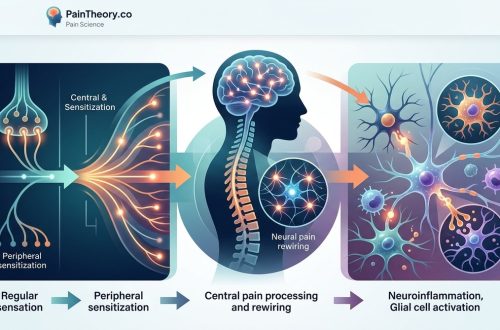
Central sensitization does not happen overnight. It usually follows a pattern.
- Initial injury or inflammation. You sprain your back, have surgery, or develop an infection. Your peripheral nerves send pain signals to your spinal cord.
- Repeated or prolonged signaling. If those signals keep coming for weeks or months, your spinal cord neurons change. They become more excitable. They start responding to weaker signals.
- Wind-up phenomenon. Each time a pain signal arrives, the next signal gets stronger. It is like a volume knob that keeps turning up.
- Spread of sensitivity. The hypersensitivity expands to areas beyond the original injury. You might feel pain in your opposite leg or in a spot that never hurt before.
- Loss of inhibition. Normally, your brain sends calming signals that turn down pain. In central sensitization, that braking system fails. The alarm keeps ringing.
For a deeper look at how your brain gets stuck in this cycle, read our guide on how chronic pain alters your brain and nervous system.
Who Gets Central Sensitization?
Certain conditions are strongly linked to central sensitization chronic pain. You are more likely to experience it if you have:
- Fibromyalgia
- Complex regional pain syndrome (CRPS)
- Chronic tension headaches or migraines
- Irritable bowel syndrome (IBS)
- Temporomandibular joint disorder (TMJ)
- Chronic pelvic pain
- Chronic low back pain without clear structural cause
- Endometriosis-related pain
These conditions often overlap. Many patients have two or three of them at the same time. That is not a coincidence. It suggests a shared underlying problem: a central nervous system that has lost its ability to regulate pain properly.
Common Signs That Your Pain Might Be Centralized
How do you know if central sensitization is driving your pain? Look for these patterns:
- Pain that spreads. Your original lower back pain now also hurts in your shoulder or opposite hip.
- Allodynia. Things that should not hurt do hurt. A bedsheet on your skin feels abrasive. A light touch burns.
- Hyperalgesia. Things that normally hurt a little now hurt a lot. A small pinch feels like a deep bruise.
- Pain that outlasts the injury. Your sprained ankle healed six months ago, but the pain is worse now than it was then.
- Sensitivity to light, sound, or smell. Many people with central sensitization also feel overwhelmed by bright lights or loud noises.
- Fatigue and brain fog. The same nervous system changes that amplify pain also disrupt sleep and concentration.
If these symptoms sound familiar, you might benefit from learning more about why your lower back pain gets worse at night and what to do about it.
What Central Sensitization Is Not
This is important. Central sensitization chronic pain does not mean:
- Your pain is imaginary
- You are weak or overly sensitive
- The pain is caused by mental illness
- You should just “tough it out”
Central sensitization is a real, measurable neurobiological condition. Brain scans of patients with fibromyalgia show different patterns of activity compared to healthy controls. Spinal fluid tests show elevated levels of neurotransmitters that promote pain signaling. This is biology, not psychology.
That said, stress and emotions do play a role. But they are triggers, not causes. For more on that relationship, see our article on can emotional stress actually cause physical back pain? The mind-body connection explained.
How Is Central Sensitization Diagnosed?
There is no single blood test or scan for central sensitization. Doctors diagnose it based on your history and physical exam. They look for:
- Widespread pain that does not match tissue damage
- Sensitivity to touch or pressure in multiple body areas
- A history of other sensitivity conditions (IBS, migraines, TMJ)
- Poor response to treatments that usually work for acute pain
Some clinics use a tool called the Central Sensitization Inventory. It is a questionnaire that helps identify whether your symptoms fit the pattern. If your score is high, it suggests central sensitization is likely playing a role.
Treatment Approaches That Actually Work
Treating central sensitization chronic pain requires a different approach than treating an acute injury. Surgery and opioids rarely help. The goal is to retrain your nervous system, not to fix a structural problem.
1. Education First
Understanding that your pain is coming from a hypersensitive nervous system is the first step. It reduces fear. It helps you stop chasing cures that will not work. Knowledge itself can lower pain levels by reducing the threat response.
2. Graded Exposure and Movement
Your nervous system needs to learn that movement is safe again. You start with tiny, pain-free movements and gradually increase. This is called graded motor imagery or graded exposure. A physical therapist trained in chronic pain can guide you.
3. Sleep Restoration
Poor sleep drives central sensitization. When you do not get enough deep sleep, your pain inhibition systems weaken. Improving sleep is one of the most powerful tools you have. Check out our guide on how to sleep better when chronic pain keeps you awake.
4. Stress Management
Chronic stress keeps your nervous system on high alert. Techniques like diaphragmatic breathing, mindfulness, and gentle yoga can help lower that baseline. Learn about 5 stress management techniques that actually reduce physical pain.
5. Medications That Target the Nervous System
Some medications can help calm a hypersensitive nervous system. These include:
- Low-dose naltrexone (LDN)
- Gabapentin or pregabalin
- Certain antidepressants like amitriptyline or duloxetine
- Topical lidocaine or compounded creams
These drugs do not work for everyone. They work best when combined with the non-drug approaches above.
Treatments That Often Fail for Central Sensitization
| Treatment | Why It Often Fails |
|---|---|
| Opioids | They do not target the central mechanisms and can increase sensitivity over time |
| Surgery | No structural problem to fix; surgery can actually worsen sensitization |
| Corticosteroid injections | They treat local inflammation, not central nervous system hypersensitivity |
| Chiropractic adjustments | May provide temporary relief but do not retrain the central nervous system |
| Ice and heat | Provide short-term comfort but do not address the underlying mechanism |
What to Ask Your Doctor
If you suspect central sensitization is driving your pain, bring these questions to your next appointment:
- Could central sensitization be contributing to my pain?
- Would a Central Sensitization Inventory questionnaire be helpful for me?
- Can you refer me to a physical therapist who specializes in chronic pain and graded exposure?
- Is low-dose naltrexone or another nerve-targeting medication an option?
- What sleep strategies would you recommend for someone with my condition?
If you want to build a complete plan, read our step-by-step guide on building your multimodal pain management plan.
A Note on Hope and Realistic Expectations
Central sensitization chronic pain is not a life sentence. Your nervous system can change. That is the principle of neuroplasticity. With the right approach, you can gradually retrain your brain and spinal cord to turn down the volume on pain.
But progress is usually slow. It happens in small steps. You might not notice improvement for weeks or months. That is normal. The key is consistency and patience.
“The most important thing I tell my patients is that their pain is real, but it does not have to be permanent. When we treat the nervous system instead of chasing the injury, we see people get their lives back.” — Dr. Rachel Abrams, pain medicine specialist
How to Start Today
You do not need a specialist appointment to begin. Here are three things you can do right now:
- Pace yourself. Stop the boom-and-bust cycle. Do less on good days so you can do more over the week.
- Breathe. Spend five minutes doing slow, belly breathing. It activates your parasympathetic nervous system and lowers your threat response.
- Learn one new thing. Read one article about pain science. Understanding your condition is medicine.
For more on the science of neuroplasticity and pain, see our article on can you actually rewire your pain response?
Your Nervous System Can Learn to Calm Down
Central sensitization chronic pain is not your fault. It is not a character flaw. It is a nervous system that got stuck in a high-alarm state. But your nervous system can also learn to settle down. It takes time. It takes the right information. And it takes consistent, gentle effort.
You do not have to fix everything at once. Start with one small change today. Your brain is listening.