You want to stay social, but your body keeps canceling the plan. The invite comes in. You get excited. Then the pain flares up, and you are back on the couch, texting a sorry that feels hollow. This cycle is exhausting. It is also not your fault. Chronic pain changes how you show up, but it does not have to erase your connections.
Socializing with chronic pain is about matching your energy to the activity, not pushing through the pain. This guide covers six practical strategies: pacing your social calendar, choosing low-impact activities, setting boundaries, using virtual options, preparing your body beforehand, and building a support system that gets it. Each method is designed to reduce flare-ups while keeping you connected.
Rethink What Socializing Looks Like
The old version of socializing probably involved loud restaurants, standing for hours, or committing to plans days in advance. Chronic pain demands a new version. That version is smaller, slower, and more intentional. And that is okay.
When you have fibromyalgia, arthritis, or back pain, your nervous system is already working overtime. Adding the pressure of a big night out can tip you over the edge. Instead, think of socializing as a spectrum. On one end, you have a full party. On the other, a 15-minute phone call with a friend. Both count. Both keep you connected.
A Simple Social Energy Scale
Use this table to match activities to your current pain level.
| Pain Level | Suggested Activity | Energy Required |
|---|---|---|
| Low pain (2/10) | Coffee date at a quiet cafe | Medium |
| Moderate pain (5/10) | Movie night at your place | Low |
| High pain (8/10) | Phone call or video chat | Very low |
| Flare-up (10/10) | Text exchange or voice message | Minimal |
The goal is to stay in the green zone. Do not try to push through a high pain day for the sake of a plan. That often leads to a crash later.
1. Use the Pacing Method for Your Social Calendar
Pacing is not just for physical activity. It works for social plans too. If you know you have a dinner out on Friday, treat Thursday as a rest day. Keep your calendar light that week. Space out events so you have recovery time between them.
Here is a simple process to follow:
- Look at the week ahead. Circle any social commitments.
- Add recovery days. For every social event, schedule a low-demand day before and after.
- Rank events by energy cost. A birthday party costs more than a coffee chat. Plan accordingly.
- Give yourself permission to cancel. If your pain spikes, you can reschedule. No guilt required.
This method helps you avoid the boom-and-bust cycle. You do not have to say no to everything. You just have to say yes to the right things at the right time.
2. Choose Low-Impact Social Activities
Not all hangouts are created equal. Some activities are easier on your body than others. Prioritize the ones that let you control your environment.
- Walk and talk. A slow walk on a flat path keeps your body moving without strain. It also gives you an easy out if you need to sit down.
- Coffee or tea at a quiet spot. Pick a place with soft chairs and low noise. Avoid peak hours.
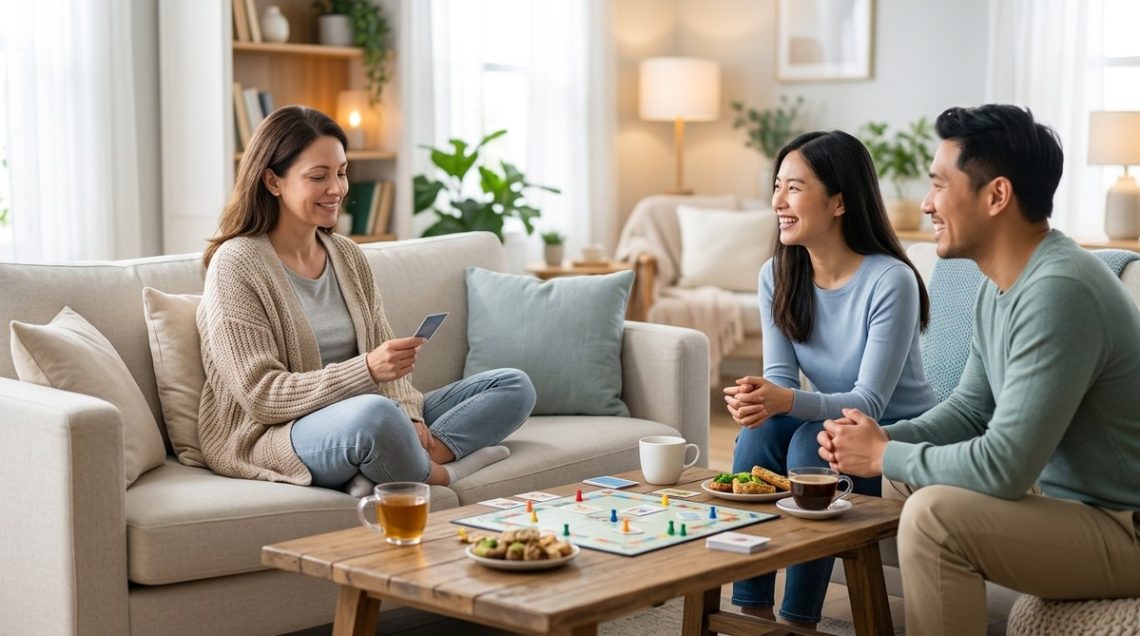
- Host at home. Your space, your rules. You can lie down, adjust the temperature, and end the visit when you need to.
- Shared low-energy hobbies. Knitting, board games, or watching a show together. These allow connection without physical demand.
- Virtual hangouts. Video calls, voice messages, or even playing an online game together. These are especially useful on high-pain days.
“The biggest mistake I see patients make is trying to do too much on good days. They overcommit, then crash. Social connection should be sustainable, not a sprint.”
Dr. Mariana Lopez, pain management specialist
3. Set Boundaries Without Apology
Many people with chronic pain feel pressure to explain why they cannot do something. You do not owe anyone a medical history. A simple boundary works fine.
“I can come for one hour, then I need to rest.”
“I would love to see you, but can we keep it low-key?”
“I am having a rough day. Can we rain check?”
If someone pushes back, that is their issue, not yours. Real friends will understand. You are allowed to protect your energy.
What to Say When You Need to Cancel
- “My body is not cooperating today. I am so sorry to miss it.”
- “I need to take it easy. Let me know when you are free next.”
- “I overdid it yesterday and need to recover. Love you.”
Notice none of these include a long explanation. You do not need to justify your pain.
4. Use Technology to Stay Connected Without Leaving Home
Virtual connection is not a second choice. It is a valid, powerful tool for socializing with chronic pain. In 2026, there are more ways than ever to stay close to people without draining your energy.
- Video calls with no pressure. Set a 30-minute limit. You can eat, lie in bed, or stretch during the call.
- Voice messages. Send a quick voice note instead of a long text. It feels more personal and takes less effort.
- Group chats. Stay in the loop without having to show up. You can engage when you have energy.
- Online book clubs or game nights. These give structure and a set end time.
Technology lets you control the pace. You can mute notifications, step away, and come back when you feel better.
5. Prepare Your Body Before Social Plans
A little preparation can reduce the chance of a flare-up. Think of it as priming your body for connection.
- Take your medications on schedule. Do not skip a dose to save it for later. Consistency matters.
- Use heat or ice before you go. A warm pack on your back or a cold wrap on your knees can calm things down.
- Wear comfortable clothes. Loose fabrics, supportive shoes, and layers you can adjust.
- Eat anti-inflammatory foods beforehand. Think berries, leafy greens, or fatty fish. Avoid sugar and processed foods that can increase inflammation.
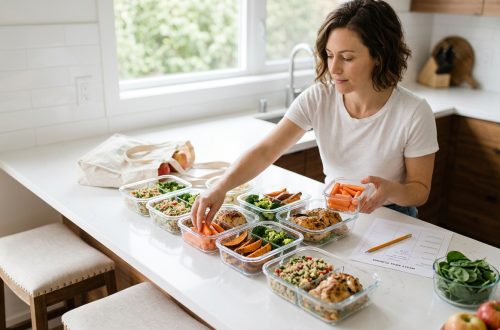
- Rest beforehand. Do not run errands right before your plans. Save your energy.
For more on how diet affects your pain levels, check out the anti-inflammatory diet for back pain.
6. Build a Support System That Gets It
Not everyone will understand your limits. That is fine. Focus on the people who do. These are the friends and family who do not pressure you, who check in without being asked, and who are happy to sit in silence with you.
You can also find new connections through chronic pain communities. Online groups, local support meetups, or forums can be a lifeline. These spaces understand the struggle without you having to explain it.
Traits of a Good Support Person
- They do not offer unsolicited advice.
- They accept cancellations without guilt.
- They check in on bad days, not just good ones.
- They are willing to adapt plans to your needs.
If you are looking to strengthen these relationships, read more about building your support system.
Common Social Mistakes and How to Fix Them
Even with good intentions, it is easy to fall into patterns that make pain worse. Here are a few common mistakes and better alternatives.
| Mistake | Why It Hurts | Better Approach |
|---|---|---|
| Saying yes to everything on a good day | Leads to a crash later | Pick one or two events per week |
| Standing for long periods | Increases joint and back pain | Ask for a seat or take breaks |
| Drinking alcohol to fit in | Can increase inflammation | Stick with water or herbal tea |
| Staying past your limit | Drains your energy for days | Leave when you still feel okay |
| Hiding your pain | Leads to burnout | Be honest with trusted friends |
Your Social Life Can Look Different and Still Be Full
Socializing with chronic pain is not about doing less. It is about doing what works for your body. That might mean shorter visits, quieter settings, or more virtual hangouts. It might mean saying no more often. And it might mean letting go of the guilt that comes with canceling.
You are not a bad friend because your pain limits you. You are a person managing a difficult condition. The people who matter will see that. They will meet you where you are.
Start small. Pick one strategy from this list and try it this week. Maybe it is pacing your calendar. Maybe it is sending a voice message instead of forcing yourself to go out. Whatever you choose, give yourself credit for trying.
For more on how your nervous system plays a role in your pain, read about the gate control theory of pain. And if you need help building a full plan, check out building your multimodal pain management plan.
You deserve connection. And you deserve to feel okay while you get it.