You’ve been dealing with pelvic pain for months now. Maybe years. Your doctor says it’s probably just bad cramps, but something feels different. The pain shows up at odd times. It’s sharper than it used to be. It interferes with work, sex, and sleep. You’re not imagining it. Not all pelvic pain is created equal, and some symptoms deserve immediate medical attention.
Pelvic pain that differs from typical menstrual cramps may indicate [endometriosis](https://www.nichd.nih.gov/health/topics/endometri), fibroids, ovarian cysts, or [pelvic inflammatory disease](https://www.cdc.gov/std/pid/stdfact-pid.htm). Warning signs include pain during intercourse, bowel or bladder changes, persistent pain outside your period, fever, and symptoms lasting beyond three months. Tracking your symptoms and seeking specialized care helps identify underlying conditions before they progress. Early diagnosis improves treatment outcomes significantly.
Understanding Normal Cramps Versus Concerning Pain
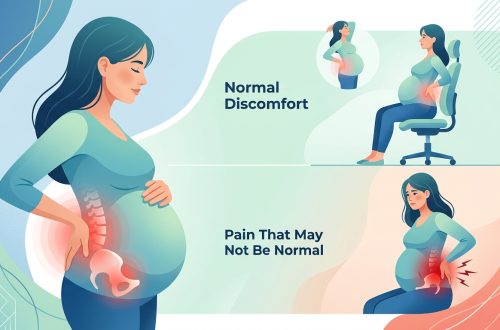
Menstrual cramps happen when your uterus contracts to shed its lining. They typically start right before your period and last two to three days. The pain centers in your lower abdomen and may radiate to your lower back or thighs.
Normal cramps respond to over-the-counter pain relievers. They don’t stop you from going to work or school. They don’t wake you up at night screaming.
When pelvic pain more than cramps becomes your reality, the pattern changes. The pain might start two weeks before your period. It might never leave. It might feel like stabbing, burning, or pressure instead of the familiar dull ache.
The location matters too. Cramps stay in the lower abdomen. Other conditions cause pain in your sides, deep in your pelvis, or radiating down your legs. Some women describe it as feeling like their organs are being squeezed or twisted.
Seven Warning Signs Your Pain Needs Medical Attention
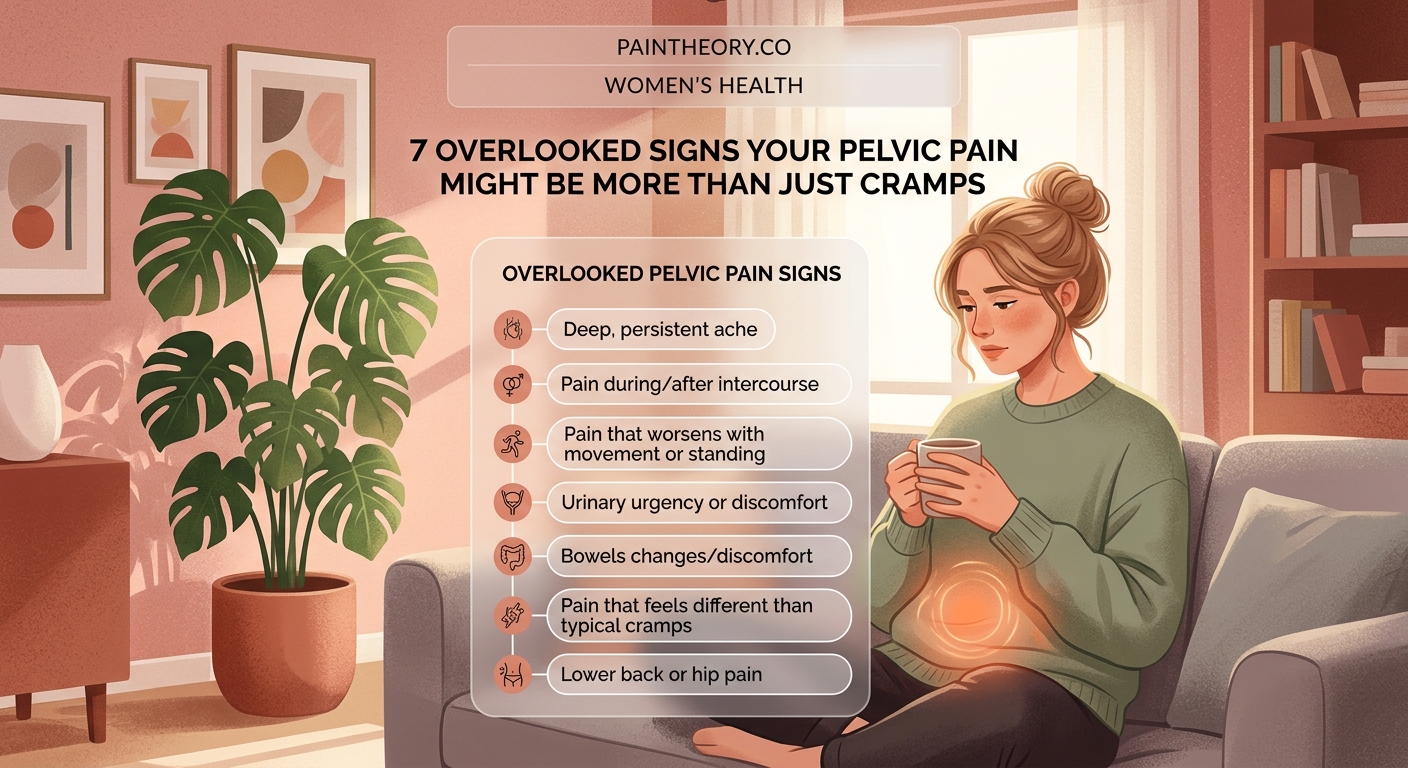
1. Pain During or After Sex
Painful intercourse, called dyspareunia, isn’t normal. If penetration causes sharp pain, or if you experience deep aching during or after sex, something’s wrong.
This symptom often points to endometriosis, where tissue similar to your uterine lining grows outside the uterus. It can also indicate ovarian cysts, pelvic inflammatory disease, or adenomyosis.
The pain might happen only in certain positions. It might get worse at specific times in your cycle. Either way, sex shouldn’t hurt.
2. Changes in Bowel Movements During Your Period
Cramping that makes you run to the bathroom isn’t just “period poops.” Painful bowel movements during menstruation, especially if you notice blood in your stool or feel like you’re passing glass, suggests endometriosis on or near your bowel.
Watch for:
– Diarrhea or constipation that only happens during your period
– Pain that feels like it’s coming from your rectum
– Bloating so severe you look pregnant
– Nausea or vomiting during bowel movements
3. Bladder Symptoms That Come and Go
Feeling like you have a urinary tract infection, but the test comes back negative? Pelvic conditions often mimic UTI symptoms.
You might experience:
– Urgent need to urinate
– Pain or burning when you pee
– Frequent urination with small amounts
– Pressure in your bladder area
These symptoms can indicate interstitial cystitis, endometriosis affecting the bladder, or pelvic floor dysfunction. Why does pain become chronic in these cases relates to nerve sensitization in the pelvic region.
4. Pain That Doesn’t Match Your Cycle
Cramps follow a predictable pattern tied to menstruation. When pain shows up randomly throughout the month, or stays constant regardless of where you are in your cycle, different mechanisms are at work.
Conditions like fibroids, ovarian cysts, or chronic pelvic inflammatory disease cause pain independent of hormonal fluctuations. Can fibroids cause weight gain and other symptoms that seem unrelated to your period.
5. Fever or Unusual Discharge
Any pelvic pain accompanied by fever requires immediate medical care. This combination suggests infection, which can damage your reproductive organs permanently if left untreated.
Pelvic inflammatory disease develops when bacteria travel from your vagina or cervix into your uterus, fallopian tubes, or ovaries. Without treatment, it causes scarring that leads to infertility and chronic pain.
Look for:
– Temperature above 100.4°F
– Unusual vaginal discharge with odor
– Pain that gets worse instead of better
– Chills or feeling generally unwell
6. Pain That Radiates to Your Back or Legs
Pelvic conditions don’t always stay in your pelvis. Endometriosis, in particular, can affect nerves that run through your pelvic region, causing pain that shoots down your legs or wraps around to your lower back.
This isn’t the same as normal cramping that makes your lower back ache. This pain feels electric, sharp, or burning. It might make your legs feel weak or numb. Some women describe it as sciatica-like pain that flares with their cycle.
Why your lower back pain gets worse at night can help you differentiate between musculoskeletal issues and gynecological causes.
7. Symptoms Lasting Beyond Three Months
Pain becomes chronic when it persists for three months or longer. At this point, your nervous system may have developed pain patterns that continue even after the initial cause heals.
Chronic pelvic pain affects 15% of women. It interferes with daily activities, relationships, and mental health. The longer you wait to address it, the harder it becomes to treat.
Common Conditions Behind Persistent Pelvic Pain
| Condition | Key Symptoms | Typical Age Range |
|---|---|---|
| Endometriosis | Painful periods, pain during sex, infertility | 25-40 |
| Uterine Fibroids | Heavy bleeding, pelvic pressure, frequent urination | 30-50 |
| Ovarian Cysts | Sharp pain on one side, bloating, irregular periods | Any age after puberty |
| Pelvic Inflammatory Disease | Fever, discharge, pain during sex | 15-25 (most common) |
| Adenomyosis | Heavy periods, severe cramping, enlarged uterus | 35-50 |
| Interstitial Cystitis | Bladder pain, frequent urination, pain relief after voiding | 30-40 |
How to Track Your Symptoms Effectively
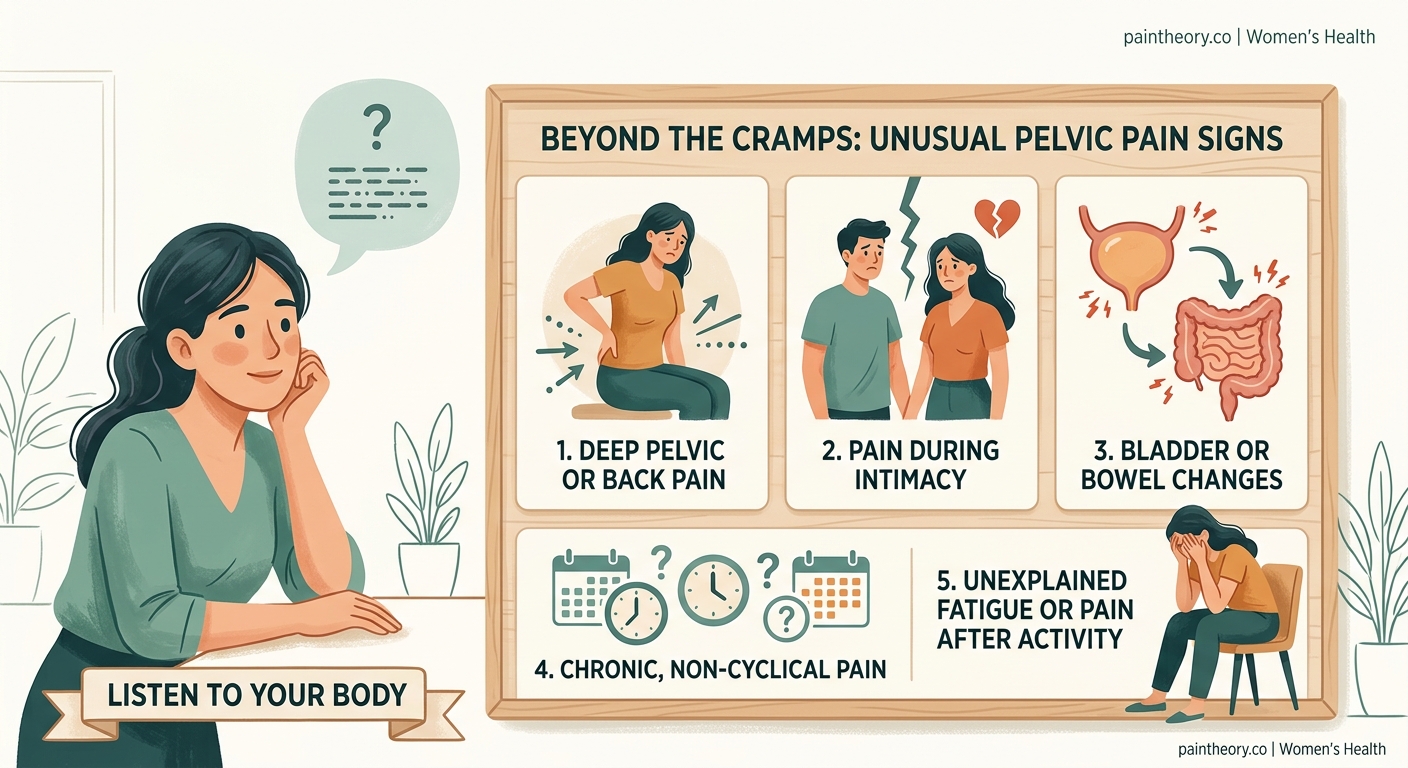
Documentation helps your doctor identify patterns and make accurate diagnoses. Here’s what to record:
-
Pain characteristics: Rate intensity on a scale of 1-10. Describe the quality (sharp, dull, burning, pressure).
-
Timing: Note when pain starts, how long it lasts, and how it relates to your menstrual cycle.
-
Location: Mark where you feel pain. Does it stay in one spot or move around?
-
Triggers: Record what makes pain better or worse. Activities, positions, foods, stress levels.
-
Associated symptoms: Track bleeding patterns, digestive changes, urinary symptoms, and emotional impacts.
-
Treatment responses: Write down which medications or therapies help and which don’t.
Use a period tracking app, a paper journal, or a simple spreadsheet. Bring this documentation to your appointments. Doctors can’t see inside your body without your help describing what’s happening.
“Women with pelvic pain often wait years before getting proper diagnosis because they’ve been told their pain is normal. It’s not normal to suffer. If pain interferes with your life, you deserve investigation and treatment.” — Dr. Sarah Thompson, Gynecologist specializing in chronic pelvic pain
What to Expect at Your Doctor Visit
Many women feel dismissed when they first report pelvic pain. Finding the right doctor makes all the difference. Look for someone who specializes in pelvic pain or has experience with endometriosis and related conditions.
Your appointment should include:
- Detailed medical history
- Discussion of your symptom tracking
- Pelvic exam
- Possible ultrasound or other imaging
- Lab work to rule out infections
Don’t let a doctor tell you pain is “just part of being a woman.” If your current provider doesn’t take you seriously, find another one. You know your body better than anyone.
Treatment Options Beyond Pain Pills
Managing pelvic pain more than cramps often requires multiple approaches. Treatment depends on the underlying cause but may include:
Hormonal therapies: Birth control pills, IUDs, or other hormonal treatments can reduce endometriosis symptoms and regulate painful periods. Why does endometriosis pain feel worse during your period explains the hormonal connection.
Physical therapy: Pelvic floor physical therapy addresses muscle tension and dysfunction that contribute to pain. Specialized therapists use internal and external techniques to release tight muscles and retrain movement patterns.
Surgical intervention: When conservative treatments fail, surgery may remove endometriosis lesions, fibroids, or cysts. When should you consider surgery for chronic pain relief outlines factors in this decision.
Pain management techniques: Heat or cold therapy, TENS units, acupuncture, and nerve blocks can provide relief while addressing underlying causes.
Lifestyle modifications: Anti-inflammatory diets, stress management, and gentle exercise help some women reduce symptom severity.
When Pain Disrupts Sleep and Daily Life
Chronic pain doesn’t stop when you lie down. Many women find their symptoms worsen at night, making sleep nearly impossible. Fatigue compounds pain, creating a vicious cycle.
How to sleep better when chronic pain keeps you awake offers strategies for managing nighttime symptoms. Good sleep hygiene becomes essential when dealing with ongoing pelvic pain.
Pain also affects relationships, work performance, and mental health. Don’t minimize these impacts. They’re legitimate consequences of a medical condition that deserves treatment.
Common Mistakes Women Make When Dealing With Pelvic Pain
| Mistake | Why It’s Harmful | Better Approach |
|---|---|---|
| Waiting years before seeking help | Conditions progress and become harder to treat | See a doctor after three months of symptoms |
| Accepting “it’s normal” as an answer | Delays proper diagnosis | Get a second opinion if dismissed |
| Only treating symptoms with pain pills | Doesn’t address underlying cause | Pursue diagnostic testing |
| Stopping treatment too soon | Symptoms return and worsen | Follow through with full treatment plan |
| Not tracking symptoms | Makes diagnosis difficult | Keep detailed records for appointments |
Building Your Healthcare Team
Pelvic pain often requires multiple specialists working together. Your team might include:
- Gynecologist or reproductive endocrinologist
- Pain management specialist
- Pelvic floor physical therapist
- Gastroenterologist (if bowel symptoms present)
- Urologist (if bladder symptoms present)
- Mental health professional for coping strategies
Coordinating care between providers takes effort, but comprehensive treatment addresses all aspects of your condition. Make sure your doctors communicate with each other about your treatment plan.
The Emotional Toll of Chronic Pelvic Pain
Living with ongoing pain affects more than your body. Anxiety, depression, and feelings of isolation commonly accompany chronic pelvic conditions. You might feel like no one understands what you’re going through.
Finding support helps. Look for online communities of women with endometriosis, fibroids, or other pelvic conditions. Local support groups provide in-person connections with others who truly get it.
Therapy specifically addressing chronic pain can teach coping skills and help you process the emotional impact of living with a chronic condition. This isn’t “all in your head.” Pain has real psychological effects that deserve attention.
Taking Control of Your Pelvic Health
You deserve answers. You deserve treatment. You deserve a life not defined by pain.
Start by tracking your symptoms this month. Write down everything, even details that seem insignificant. Make an appointment with a doctor who specializes in pelvic pain. Bring your symptom journal and be prepared to advocate for yourself.
If the first doctor dismisses you, see another one. Keep going until someone listens. Your pain is real, and identifying whether your pelvic pain more than cramps stems from an underlying condition is the first step toward getting your life back.
The path to diagnosis and effective treatment isn’t always straightforward, but every woman experiencing persistent pelvic pain deserves investigation, validation, and comprehensive care. Your symptoms are telling you something important. It’s time to listen.